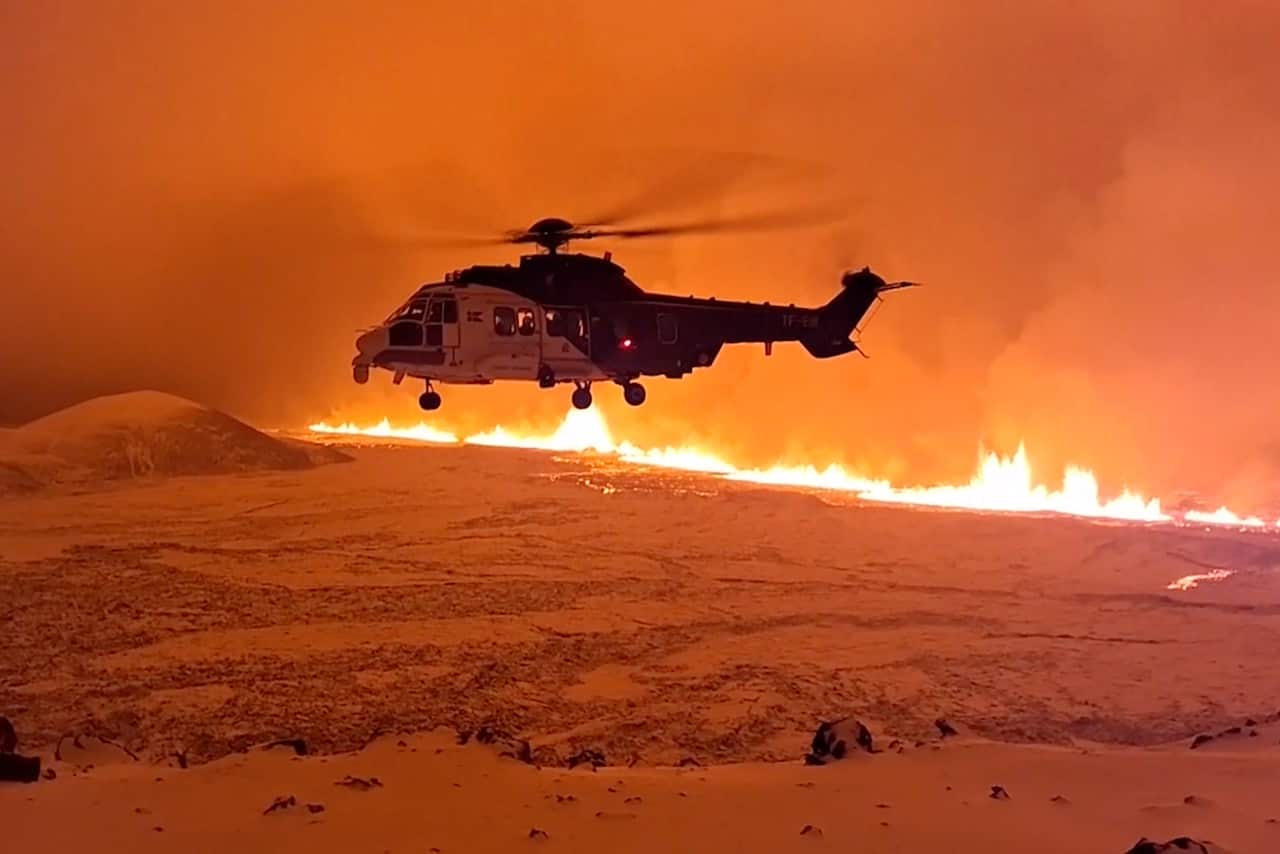
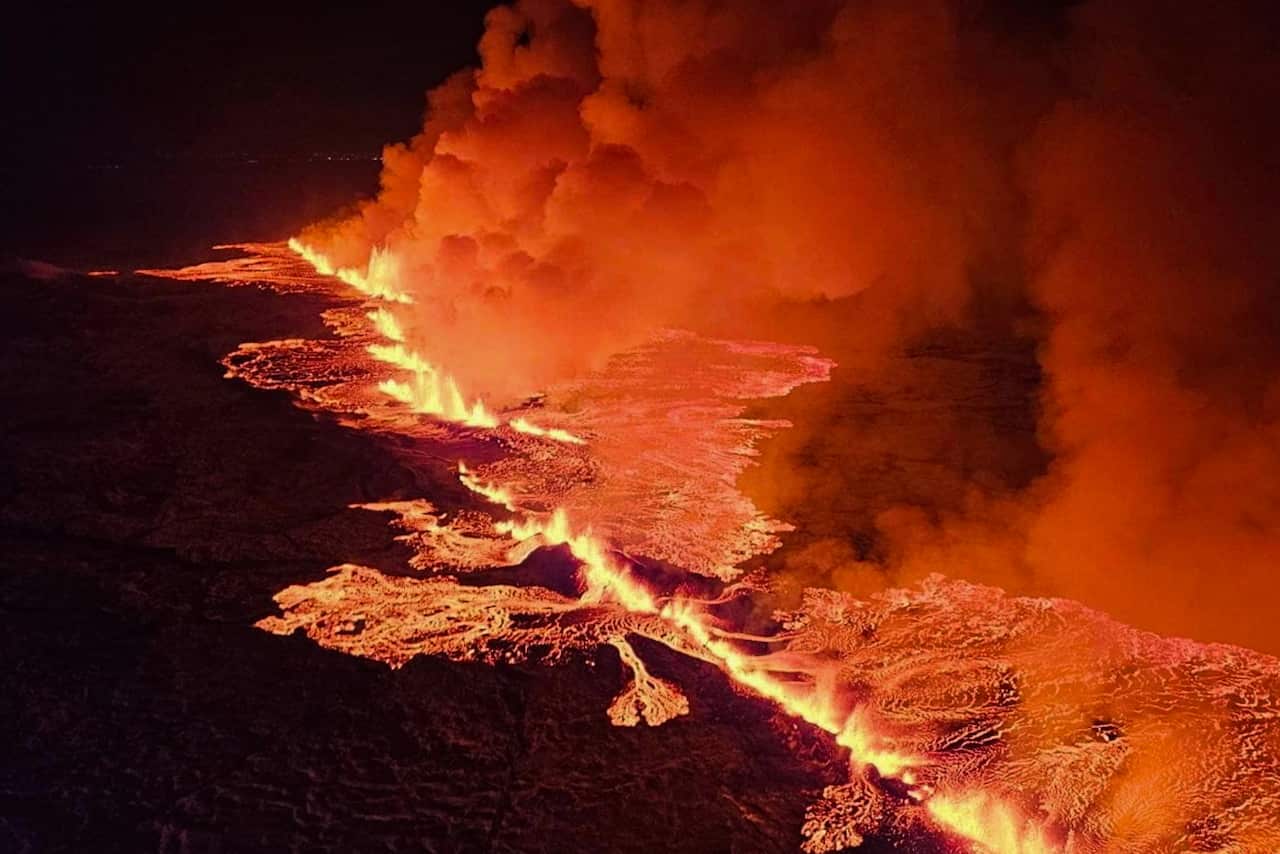
Late on 18 December, a volcano erupted in southwest Iceland, spewing lava and smoke more than 100 metres into the air after weeks of intense seismic activity.
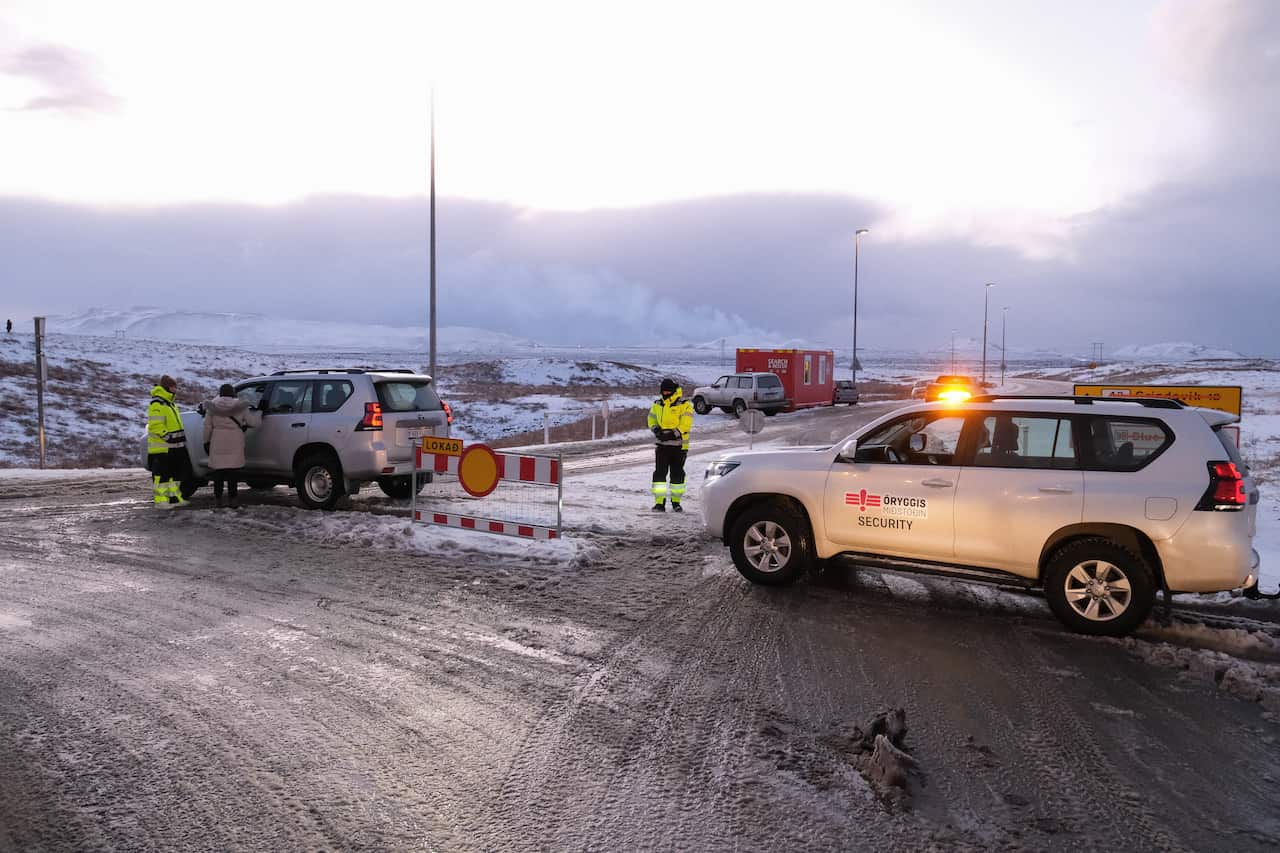
Thousands of people have been evacuated and gas pollution could still occur in the area of the capital Reykjavik late on Tuesday evening or Wednesday morning.
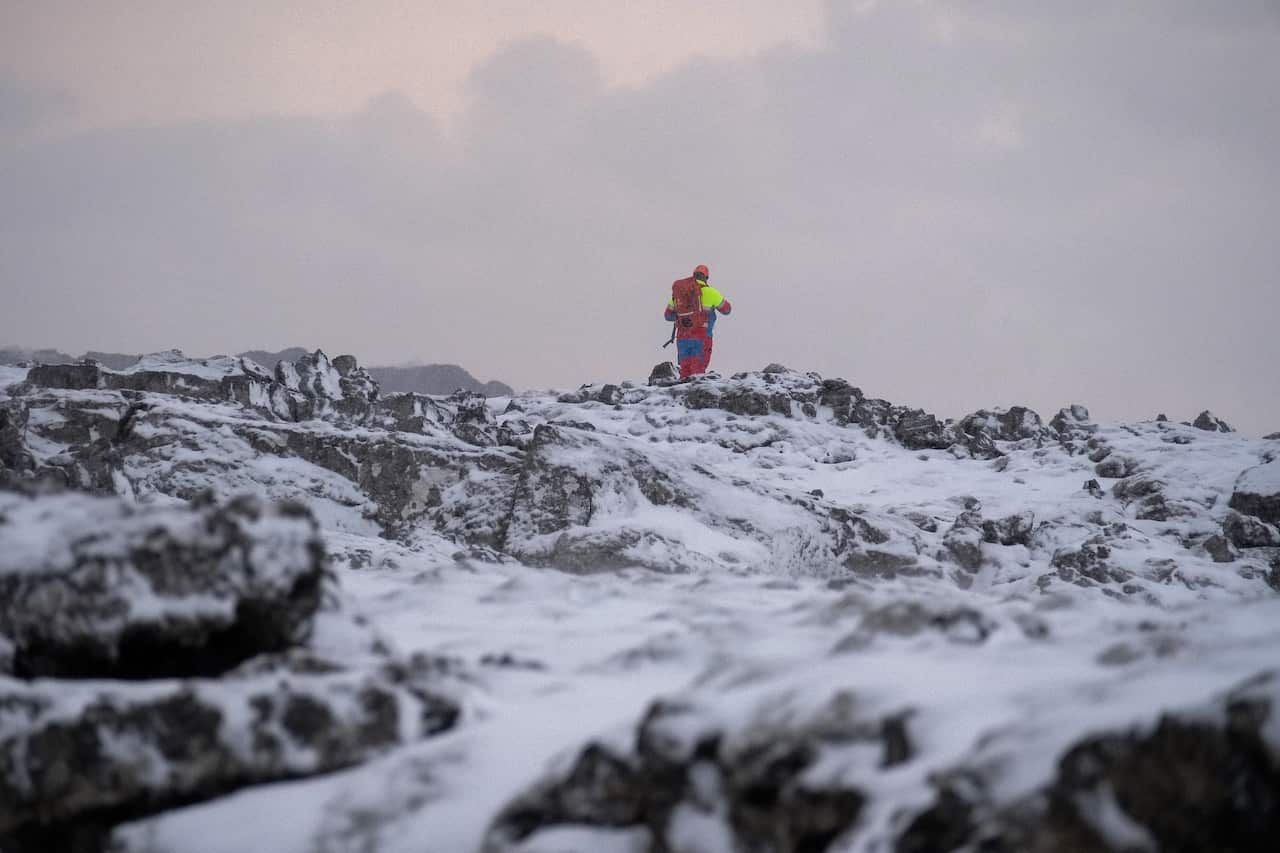
Here are some of the images captured during and after the eruption.
Authorities last month relocated the nearly 4000 inhabitants of the fishing town of Grindavik about 40km southwest of capital city Reykjavik, letting them in intermittently to check on homes put at risk by the tremors.
News that makes sense
Your trusted source for staying up-to-date with the world around you. Get free daily news updates and analysis, straight to your inbox.
Live footage of the eruption showed bright yellow, orange and red lava in sharp contrast against the sky.
Some tourists were in awe at the spectacle.
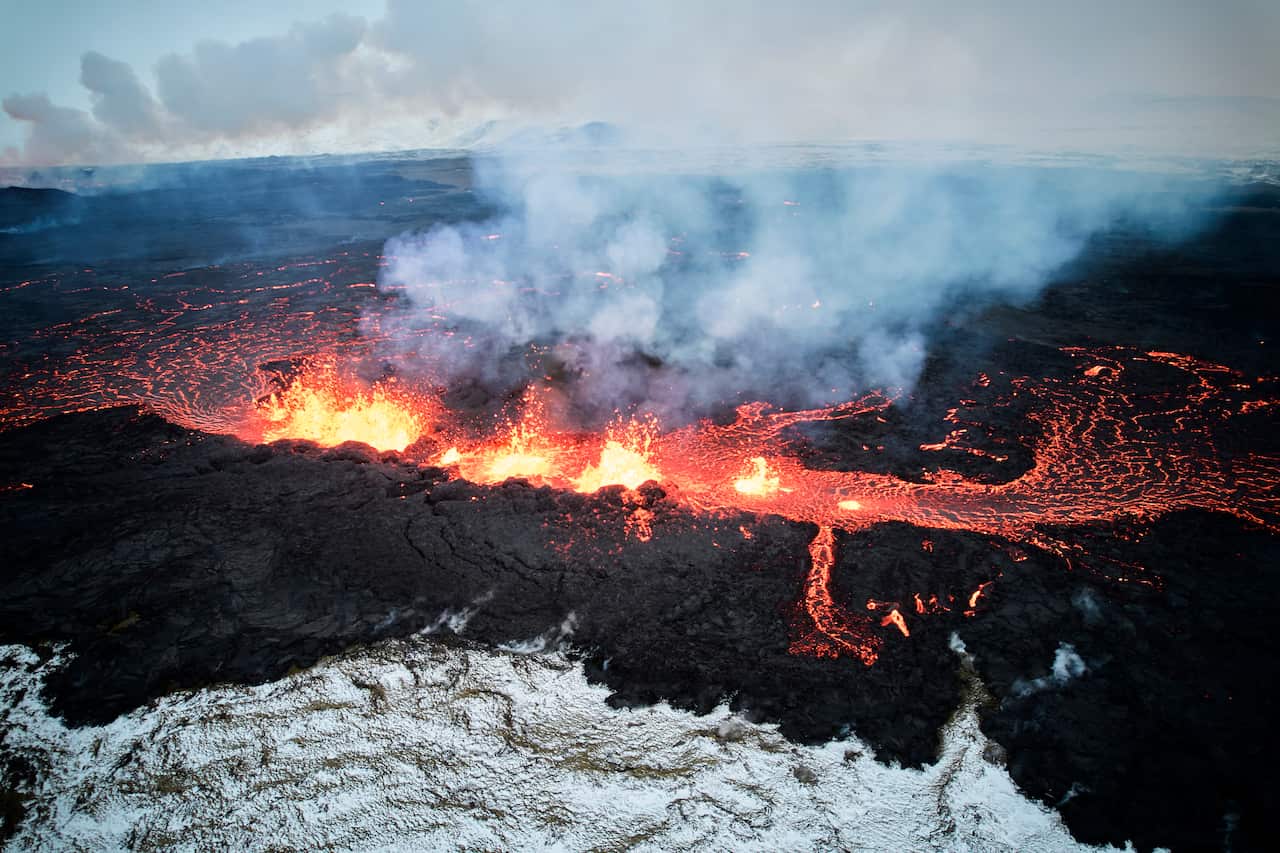
"Our BnB hosts sent us a message that the volcano has erupted," a tourist from the Netherlands who gave his name as Wouter said.
"It's a once in a lifetime for us so we don't want to miss that... It's a bit far from here but you can still see some lava coming up, for us this is amazing."
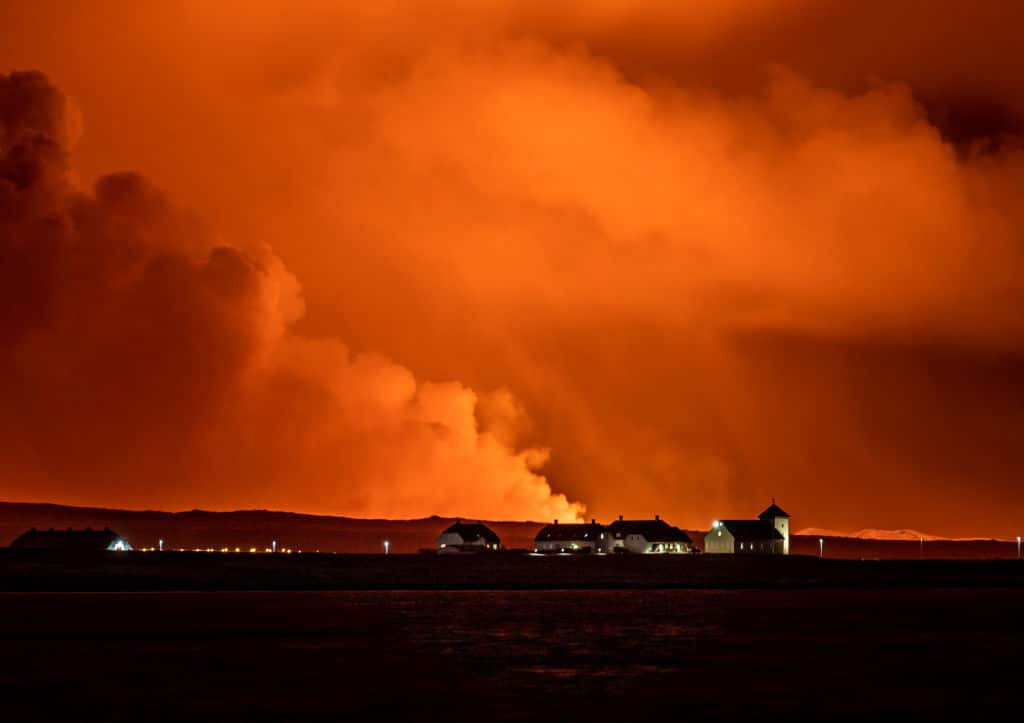
The eruption opened a 4km fissure.
But at its southernmost point the crack was still 3km away from Grindavik, Iceland's Meteorological Office said, and the power of the volcano was decreasing.
"The eruption is taking place north of the watershed so lava does not flow towards Grindavik," geologist Bjorn Oddson told public broadcaster RUV.
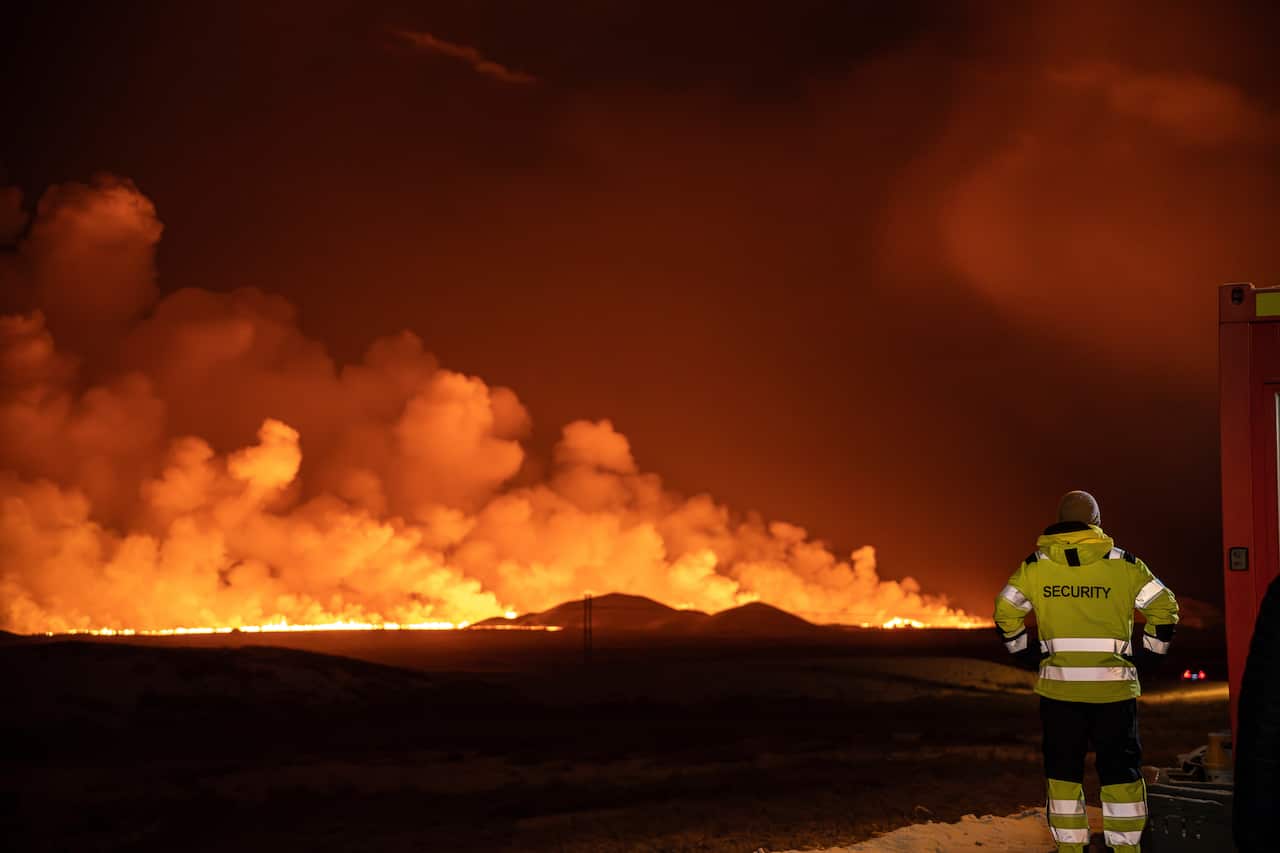
Located between the Eurasian and the North American tectonic plates, among the largest on the planet, Iceland is a seismic hot spot because the two plates move in opposite directions.
The eruption is about 30km from Reykjavik.
The Blue Lagoon, a geothermal spa popular with tourists, has been largely closed since the seismic activity was detected.
"It could potentially go on for several months, it could also just stop later today or tomorrow," said Halldor Geirson, an associate professor at Institute of Earth Sciences at the University of Iceland.
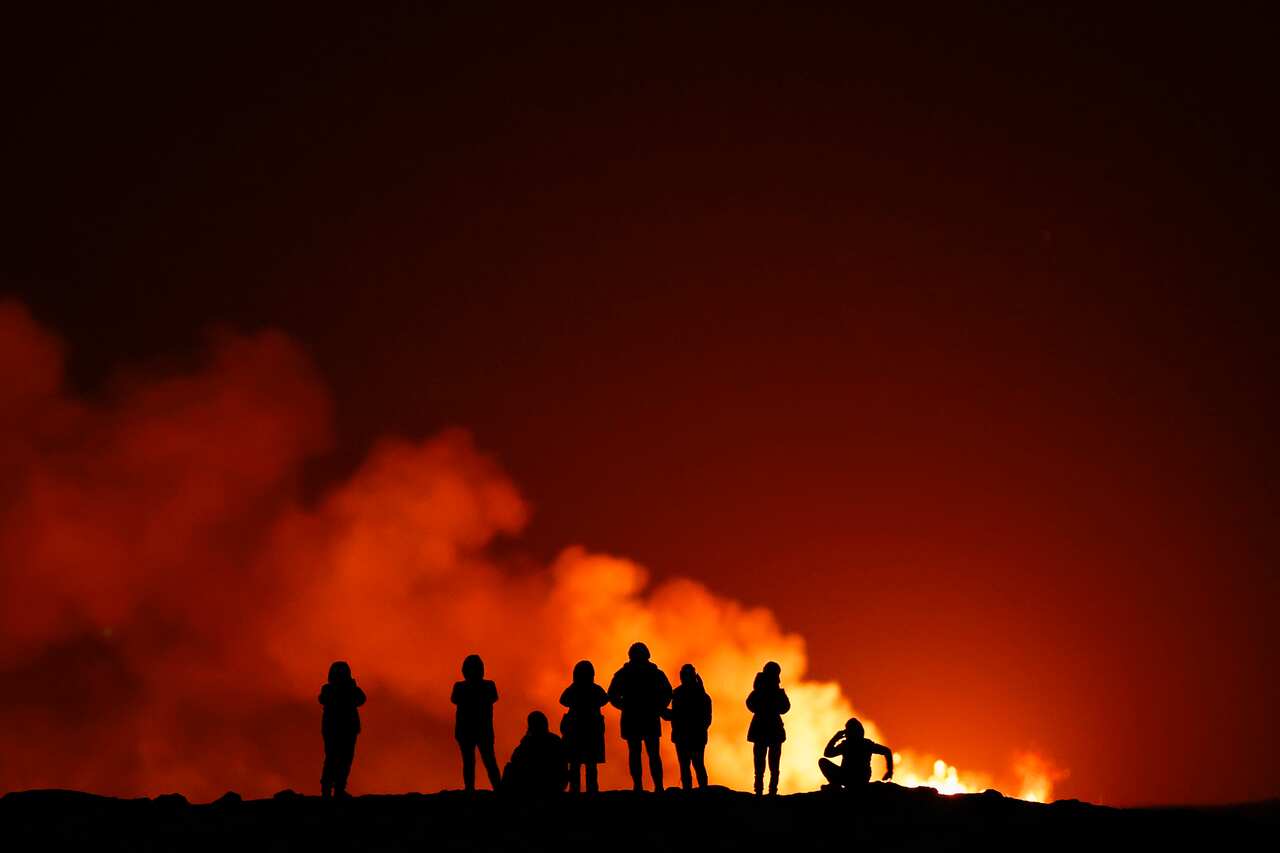
Lava flows had decreased from 200-250 cubic metres per second in the first two hours of the eruption to about a quarter of that by Tuesday morning.
Geirson said most of the lava was flowing into an area where there was little infrastructure.