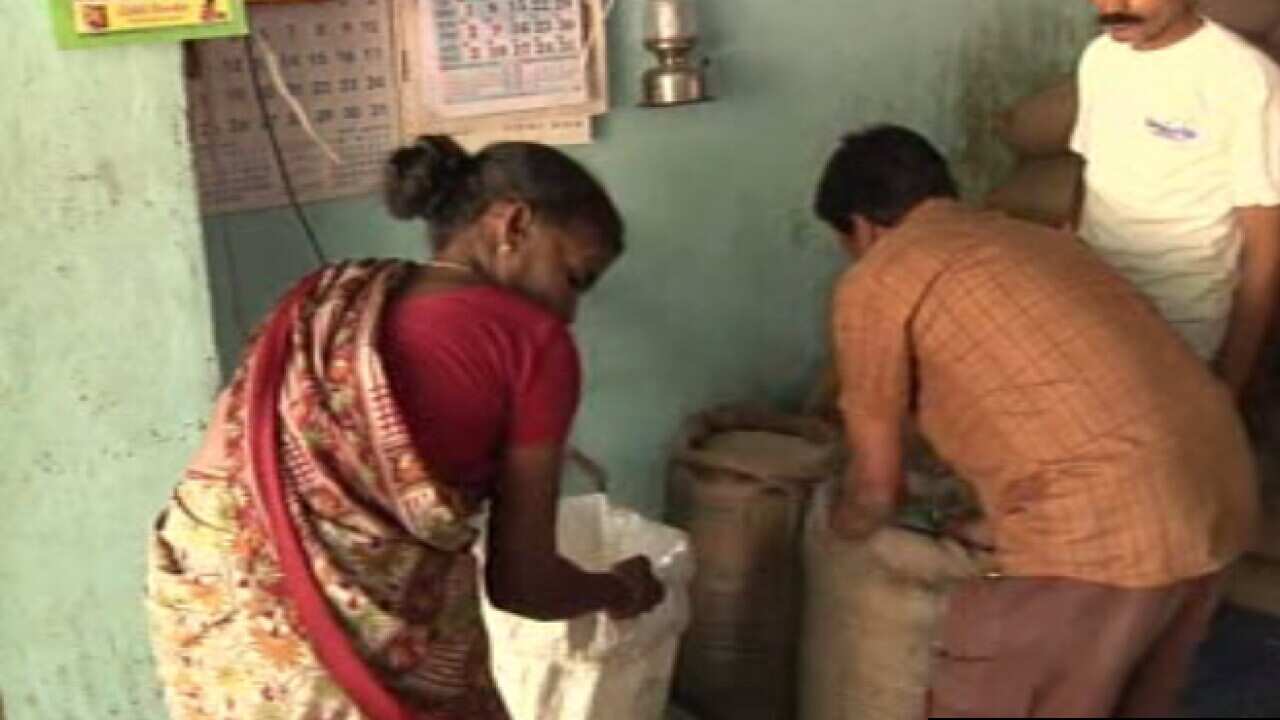
India is embarking on one of the world’s most ambitious food projects. 800,000 of India’s poorest would receive five kilograms of grain at a largely subsidised rate each month.
Proponents of the scheme say it would be a major breakthrough in dealing with widespread hunger and malnutrition plaguing India.
The Food Security Plan has already been passed by the lower house of parliament but faces a tougher challenge in the upper house.
In a rare speech to parliament the leader of the ruling Congress Party, Sonia Gandhi, urged her colleagues to back the legislation.
“We have today, an opportunity to transform the lives of tens of millions of our people. I believe that we must, we must together rise to the occasion, set aside our differences and affirm our commitment to their welfare and well-being," she said.
News that makes sense
Your trusted source for staying up-to-date with the world around you. Get free daily news updates and analysis, straight to your inbox.
But at a cost of $20billion, critics of the plan say it costs too much and it would damage the country’s economy.
Leader of the opposition Samajwadi Party, Mulayam Singh Yadav, says the bill raises more questions than answers.
"Because of this bill, the burden that the states will have to take… who is responsible for that? Who will finance it? Where will the money come from? How will the burden be offset? This is not mentioned in any bill."
But in a country where almost 50 percent of children are underweight, analysts say India can, and must, afford it.
“Something that reaches out to 67 per cent of the population and costs only 1.2 per cent of the GDP (Gross Domestic Product) should not be seen as being unaffordable,” Assistant Professor Reetika Hera from the Indian Institute of Technology says.
In India’s slums, where food is often a luxury, there’s hope that the bill will be passed.
To 70-year-old Govind Ram, the prospect of subsidised grain is a ray of home. He earns around $100 a month ironing clothes in a central Delhi suburb.
"This will give us a lot of relief. There should be benefits for poor people. This will be good for us they have introduced a good law," he said.
The new program would work in conjunction to an existing welfare program which has been plagued by poor management and corruption. Often, huge stockpiles of grain lie rotting across the country.







