

Thousands of indigenous people decorated with traditional feathers and body paint protested in Brazil's capital to defend hard-won land rights.
Many fear the rights could be eroded by far-right President, Jair Bolsonaro.

Heavy security, including riot police, was deployed for the annual three-day lobbying effort in the heart of Brasilia, where representatives from various tribes set up camp along the broad avenue leading to Congress.
Next to tents pitched on the grass, demonstrators displayed posters declaring "Our land is sacred," "No mining on indigenous lands" and "We demand the demarcation of our lands" as others sang and danced during the first such protest under Mr Bolsonaro.
"We do not just fight for constitutional rights, we fight for the right to exist," indigenous leader Sonia Guajajara told reporters.
Around 2,000 indigenous people arrived for the protest.
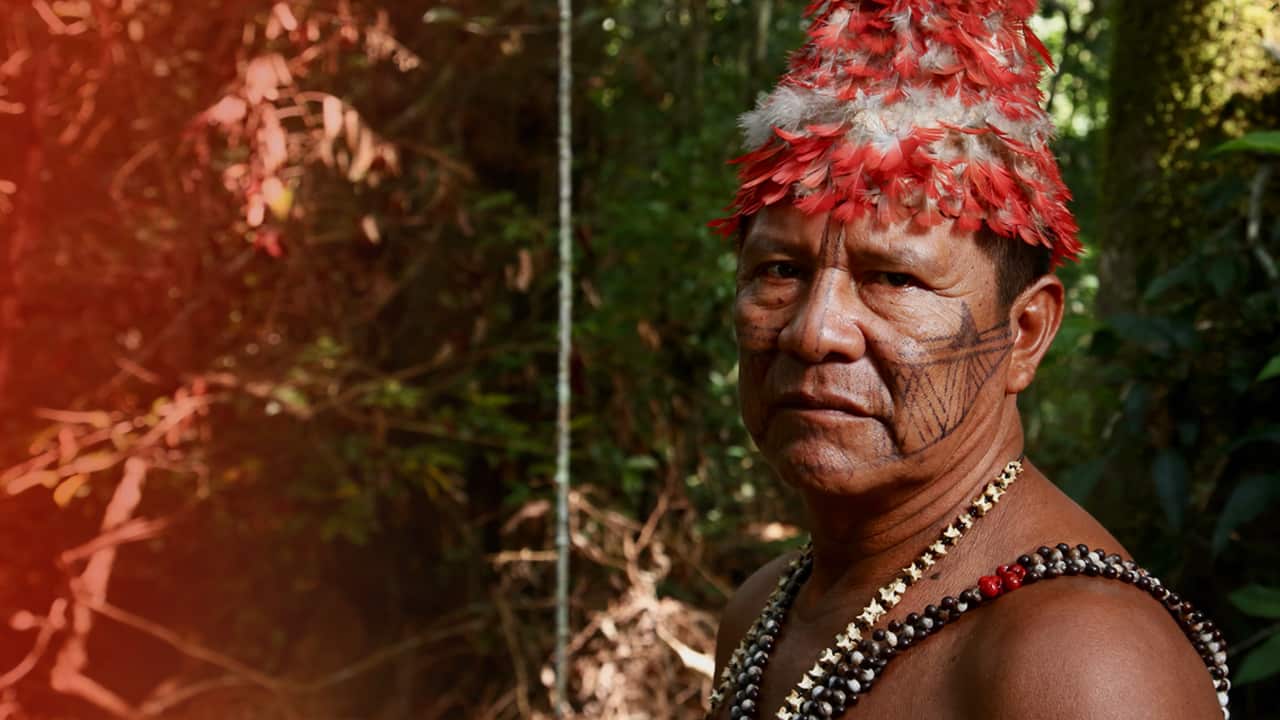
Organizers of the tribal camp said nearly 4,000 had turned up to the event that was given little coverage by major local media outlets.
"We came here for an important cause - it was very difficult for us, our ancestors, to win these rights and little by little they are decreasing," said Camila Silveiro, 22, from the southern state of Parana.
"We came here to ask for more respect."
Luana Kumaruara, an anthropology student from the northern state of Para, accused Mr Bolsonaro's government of attacking "all" the rights of indigenous people, including education and health.
A long fight
There are more than 800,000 indigenous people and more than 300 different tribes in the country of 209 million people, according to Brazil's FUNAI indigenous affairs agency.
They have long fought to preserve a way of life imperiled since European colonialists arrived in South America more than 500 years ago.
But the situation has deteriorated dramatically under Mr Bolsonaro, an indigenous alliance warned.
"We are experiencing the first stages of an apocalypse, of which indigenous peoples are the first victims," 13 signatories said in a piece published in French daily Le Monde earlier this month.
President Bolsonaro vowed to "integrate" Brazil's indigenous people, in part with new roads and rail lines through the Amazon and clearing more areas for agriculture.
"The Indian cannot continue to be trapped within a demarcated area as if he were a zoo animal," the populist leader once said.
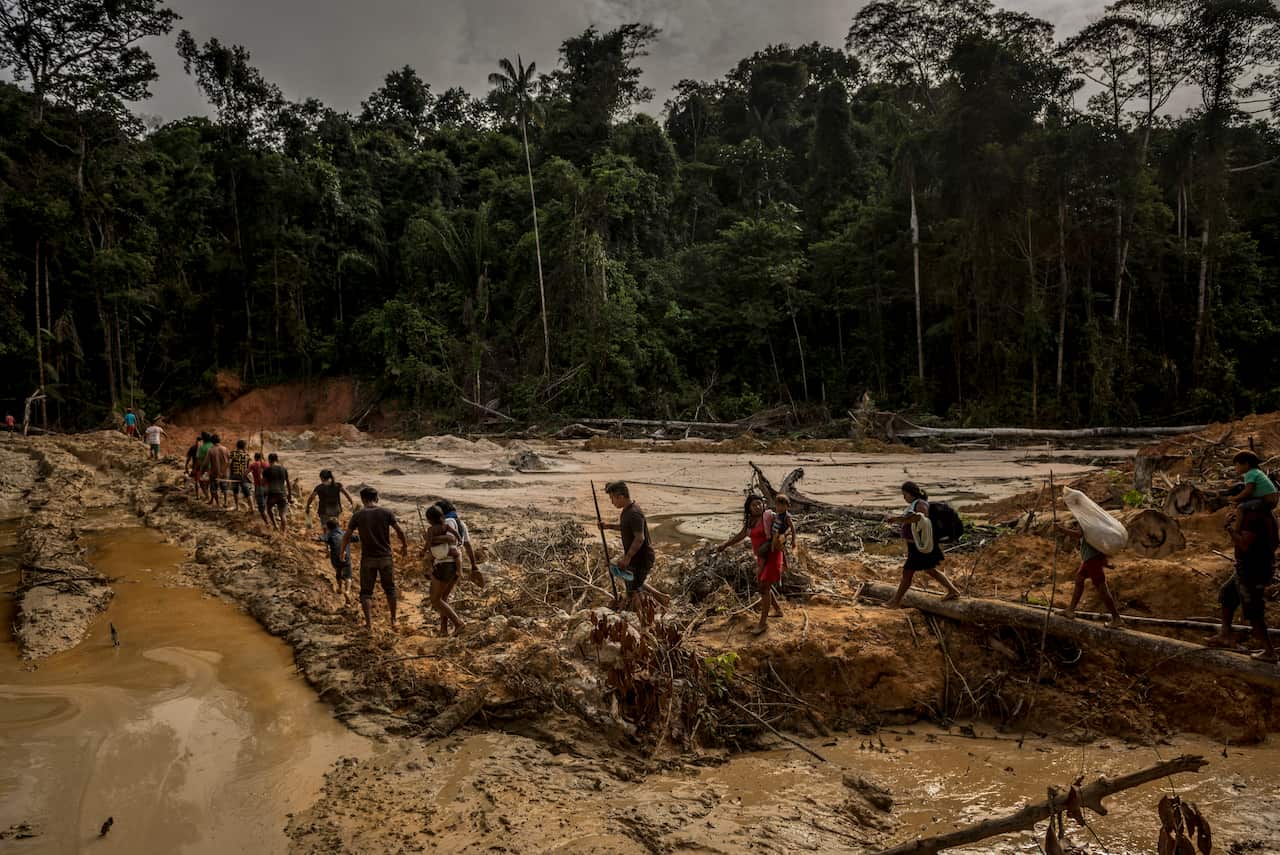
Ms Guajajara rejected his comments, telling reporters: "We don't want the society that Bolsonaro wants to introduce us to."
Another indigenous leader Cacique Dara agreed.
"This government that is in power today is trying to exterminate the indigenous people, but our people are warriors,"
"We don't care about wealth, what's important is nature."
Protesters at the "Acampamento Terra Livre", or "Free Land Camp", hope to meet with members of Congress and the Supreme Court in the coming days as they push for greater protection of their lands.
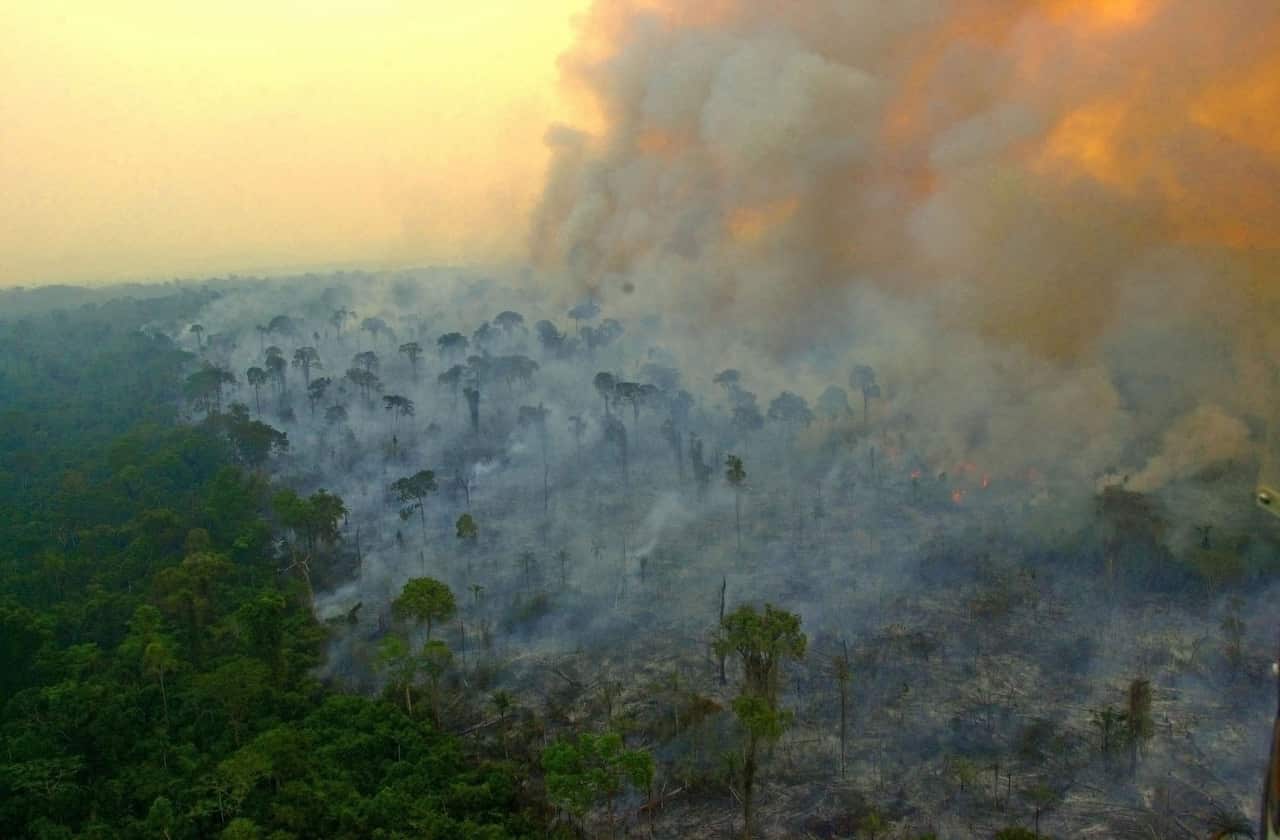
President Bolsonaro vowed during last year's election campaign that he would not give up "one centimeter more" of land to indigenous communities in Brazil, home to around 60 percent of the Amazon rainforest.
According to conservation group Imazon deforestation increased 54 percent to 108 square kilometers in January -- the first month Bolsonaro was in office -compared with 70 kilometers a year earlier.
Arara indigenous people in Para state said illegal logging on their lands had intensified in the opening months of Mr Bolsonaro's presidency.





