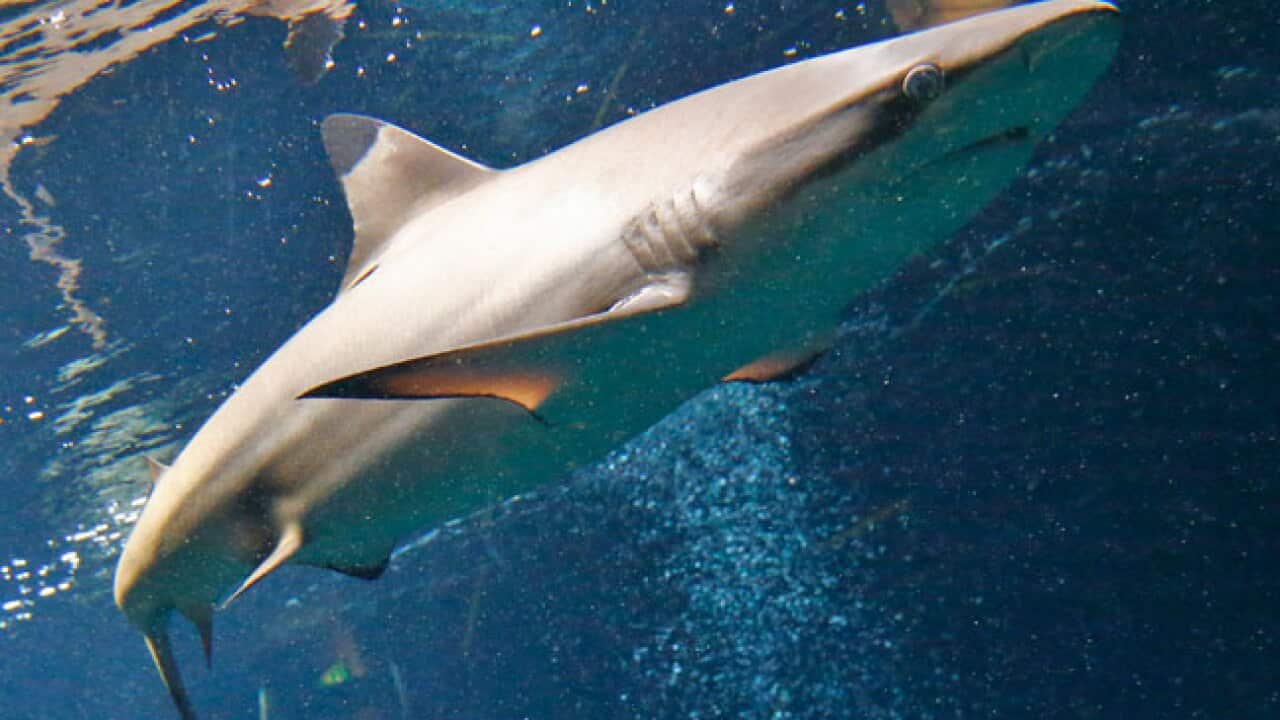
Indonesia and India have been named as the world's biggest catchers of sharks in an EU-backed probe into implementing a new pact to protect seven threatened species of sharks and rays.
They head the list of 20 countries that together account for nearly 80 per cent of total shark catch reported between 2002 and 2011.
News that makes sense
Your trusted source for staying up-to-date with the world around you. Get free daily news updates and analysis, straight to your inbox.
The others, in descending order, are Spain, Taiwan, Argentina, Mexico, the United States, Malaysia, Pakistan, Brazil, Japan, France, New Zealand, Thailand, Portugal, Nigeria, Iran, Sri Lanka, South Korea and Yemen.
The report on Tuesday was requested by the EU's executive European Commission following the listing of seven species of sharks and rays by the Convention on International Trade in Endangered Species (CITES) in Bangkok last March.
The regulations will take effect in September 2014 to give countries time to determine what is a sustainable level of trade in these sharks and how their industries can adapt to it.
Shark numbers have been decimated by overfishing, caused in great part by a demand for shark fins in China.
The absence of this apex predator has a big knock-on effect on the main biodiversity chain. Some scientists believe that one of the consequences has been an explosion in jellyfish numbers.
TRAFFIC -- an alliance between green group WWF and the International Union for Conservation of Nature (IUCN) -- says it identified other countries that were major hubs for the trade in shark meat or shark parts.
They include Bangladesh, Maldives, Oman, Singapore, Thailand and the United Arab Emirates as exporters of shark fins, and Namibia, South Africa, Panama and Uruguay as exporters of shark meat.
The report also gave a red-flag warning about the need to unravel a trade as complex as it is lucrative.
Some of the species are specifically targeted by fishing operations, but others end up as accidental, but valuable, catch when trawlers are looking for tuna.







