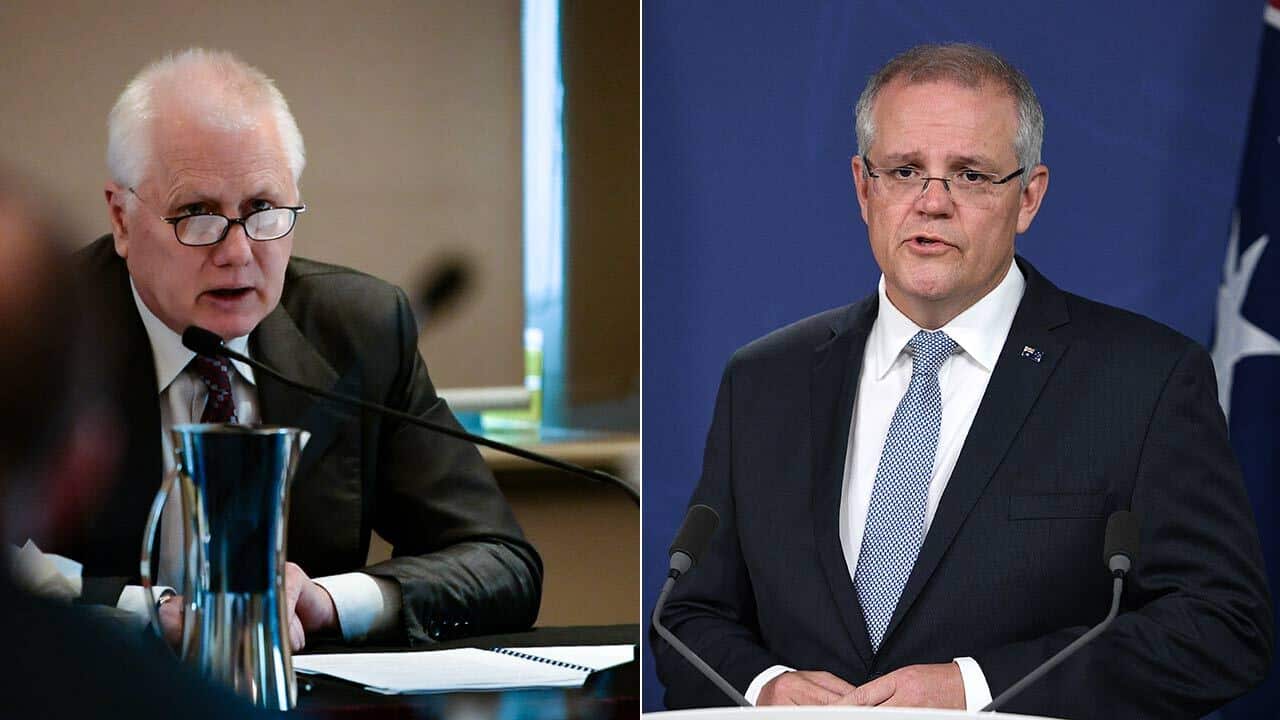
The proposed model for a new national integrity commission to investigate criminal behaviour by politicians, police and public servants has come under fire from one of Australia's top legal minds.
Prime Minister Scott Morrison has announced plans for the commission after months of calls from Labor and the crossbench for a federal anti-corruption watchdog.
Former Law Council of Australia president Bret Walker SC said while the proposal had some good elements, he hoped parliament would improve it.
News that makes sense
Your trusted source for staying up-to-date with the world around you. Get free daily news updates and analysis, straight to your inbox.
"It looks like a model proposed by a government that's been dragged to it rather than come to it openly," he told ABC radio on Friday.
Public hearings would be allowed for police not politicians and public servants, and a new offence of aggravated corruption would be introduced, but not be retrospective.
Mr Walker said any body which did not report matters publicly when appropriate to do so would be "unquestionably" deficient.
"The fact there has been found a case fit to answer of criminal offending in the nature of corruption, that sounds to me like something in every civilised society is likely to be public always," he said.
The leading silk said the plan to not allow the commission to pursue retrospective investigations would "raise eyebrows".
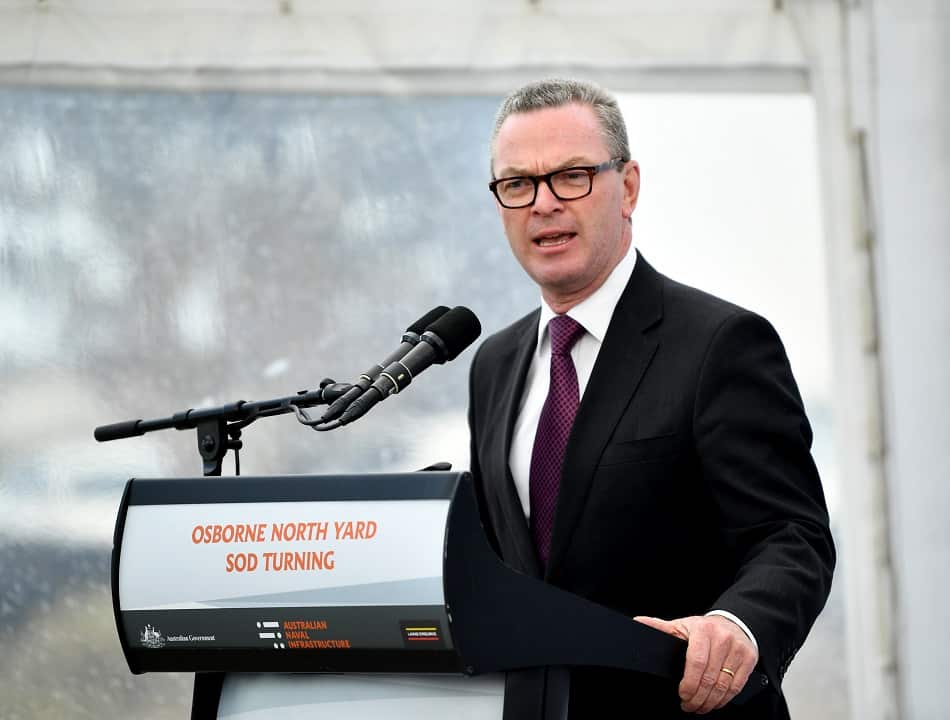
Senior cabinet minister Christopher Pyne defended the lack of public hearings, saying NSW's ICAC had become a "star chamber".
"It has ruined people's reputations who have turned out to be not guilty of anything," he told the Nine Network on Friday.
The commission would prepare briefs of evidence for prosecutors, but not have the power to instigate its own investigations.
The new body will be split into two parts - one investigating corruption in law enforcement, and the other investigating the public sector.
Labor frontbencher Anthony Albanese said his party had been leading from opposition having lobbied for a federal anti-corruption body.
Opposition Leader Bill Shorten has criticised the model, saying it is too limited in scope and lacks transparency.
But Mr Morrison is adamant he doesn't want to create a "kangaroo court".
"This is a real proposal, with real resources, real teeth," Mr Morrison told reporters in Sydney.
The prime minister may also have a tricky time convincing crucial crossbenchers to support his new idea, with Tasmanian MP Andrew Wilkie labelling the proposal unacceptable.







