
Leaders from around the world will converge on Brisbane this weekend for the G20 Leaders' Summit and Finance Ministers meeting.
At the summit, world leaders and finance ministers will mostly discuss the financial matters of most importance at the time, but how do the member countries compare?
How much do you know about the G20 member countries?
Each year 19 member countries, the European Union and several guest countries meet. This year's guest countries are Mauritania, Myanmar, New Zealand, Senegal, Singapore and Spain.
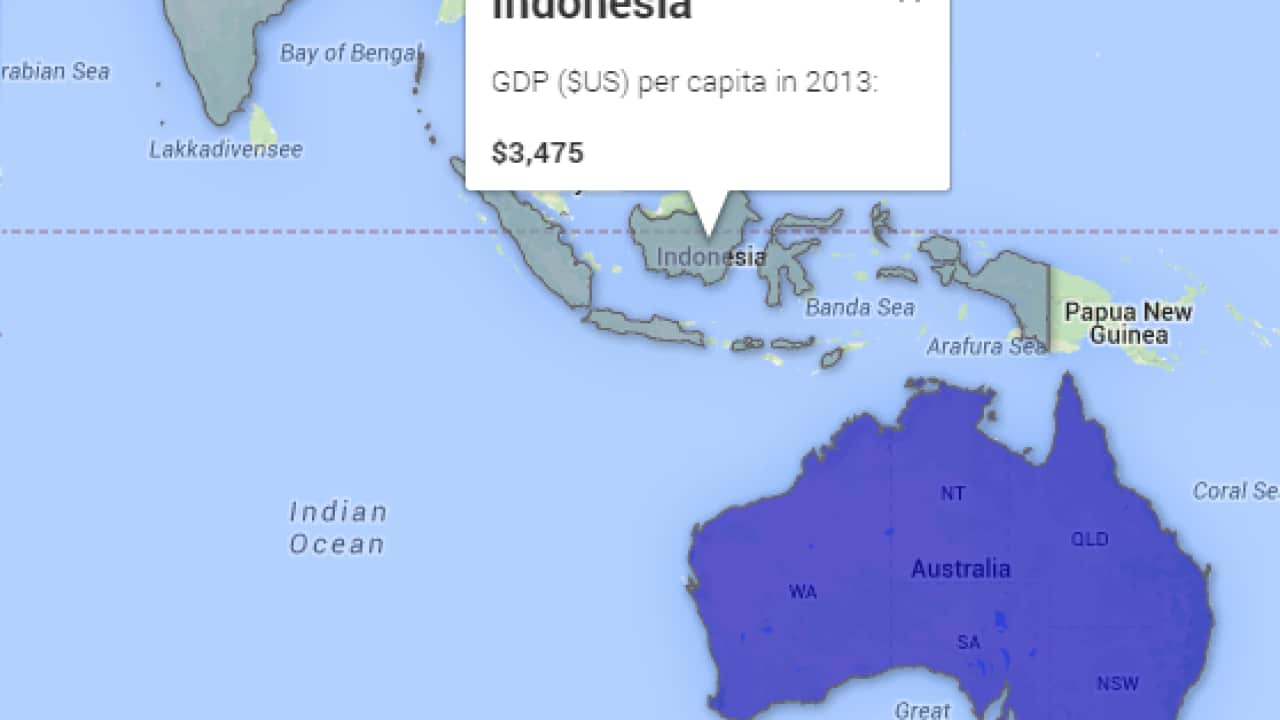
Australia, who is hosting the summit for the first time, has the highest Gross National Product (GDP) per capita ($US) of any G20 country. GDP is the value of all finished goods and services within a country's borders.
Australia was the third largest emitter of carbon emissions per capita of any G20 member nation in 2010 but China remains the world's largest emitter of carbon emissions.
Of the member countries, Australia's proportion of agricultural land, compared to total land area, declined from 58 per cent in 2006 to 53 per cent in 2012. That drop is the largest of the G20 member countries.
However, Australia had two hectares of arable land per person in 2012, which was the most in the world.
Member countries with the highest crude birth rates per 1000 people in 2005 saw sharp falls in their crude birth rates to 2012, including Brazil (-16 per cent), Saudi Arabia (-14 per cent), Mexico (-13 per cent) and Turkey (-12 per cent).
Russia’s crude birth rate per 1000 people rose 30 per cent between 2005 and 2012, from 10.2 per 1000 people to 13.3 per 1000 people.
The largest GDP of any G20 member nation is the United States, with China in second.
China's GDP growth rate shrank to 7.7 per cent last year, but was still the largest rate of growth for any G20 member country.





