Global travel is entering a new era, with airlines expanding their international networks, new long-haul routes opening up, and extra flights added across Asia and the Pacific.
Whether you're still hoping to spend some of the summer overseas or dreaming of ditching the winter blues later in the year, there's no shortage of attractive destinations available to Aussie travellers.
But if it's been a little while since your last international trip, there might be some things you need to be aware of, from new border entry requirements to baggage regulations.
Here are a few of the changes that are set to shape how Australians travel in 2026.
New flight routes and frequencies
News that makes sense
Your trusted source for staying up-to-date with the world around you. Get free daily news updates and analysis, straight to your inbox.
Several Australian airlines will already have new flight routes up and running as 2026 arrives, or introduce new ones later in the year.

By the start of the year, Virgin Australia will have launched daily services from Melbourne to Doha, in partnership with Qatar Airways, complementing Virgin's existing services to the Qatari capital from Brisbane, Sydney, and Perth.
Between November 2025 and March 2026, Virgin will also operate seasonal Tasmanian services to support increased travel demand. Those include up to three return services per week between Adelaide and Launceston, Adelaide and Hobart, and Perth and Launceston.
Jetstar has expanded into the Philippines, launching direct routes from Perth to Manila and Brisbane to Cebu in time for summer.
Starting 23 March next year, the airline will also start operating five return flights a week between Melbourne Avalon and Bali (Denpasar), adding more than 120,000 seats a year in and out of the popular destination.
In September, Qantas and Jetstar announced an expansion of their trans-Tasman services for 2026, adding nearly 210,000 seats between Australia and New Zealand across four routes.
For Jetstar, this includes more services between Brisbane and Auckland, Melbourne and Christchurch, and Sydney and Auckland. For Qantas, it means up to two additional flights per week between Sydney and Christchurch in February and March.
Jetstar will also launch a new direct route between Brisbane and Queenstown from June 2026, operating three times a week during the snow season (June to October).
Singapore Airlines, meanwhile, will introduce a Premium Economy option for one of its four daily services between Brisbane and Singapore, starting from 1 November 2026.
Europe goes digital
Planning a Eurotrip? There are two changes you should be aware of before your getaway in Greece, sojourn in Spain, or visit any of more than two dozen other European destinations.
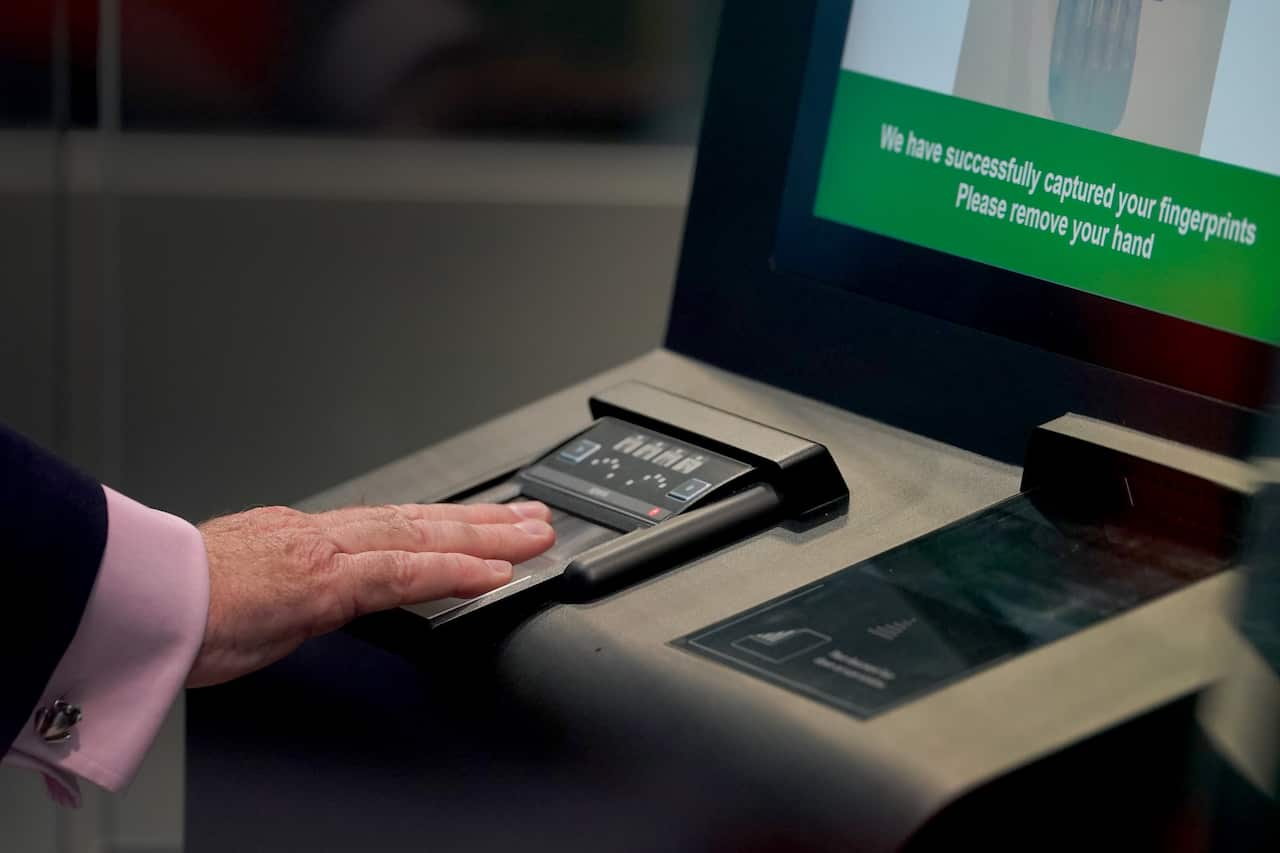
The first is the Entry/Exit System (EES), a digital identity system that will record the data of non-EU nationals travelling into the Schengen area, a zone of 29 European countries that allows people to travel freely across their mutual borders.
It's intended to streamline the border process and increase security, and will replace the need to have your passport stamped.
The process will apply when travelling through the external borders of any Schengen area country, but not when travelling within the Schengen area.
Your travel document data and other personal details will be electronically registered, including your entry and exit dates, as well as any previous refusals of entry.
You will also have your photo taken and fingerprints scanned by passport control officials.
If you refuse to hand over this data, officials can deny your entry to the Schengen area, the Department of Foreign Affairs and Trade's Smartraveller website warns.
If you overstay your visa, the system will be able to identify and record this.
The EES started a gradual rollout on 12 October this year and is expected to be fully implemented by 10 April 2026. As it's a progressive rollout, you may still need to get your passport stamped before then.
The long-delayed European Travel Information and Authorisation System (ETIAS) is also set to come into effect in the last quarter of 2026, after the full rollout of the EES.
ETIAS is a mandatory electronic travel authorisation that will be required for nationals from dozens of countries — including Australia — before entering any of 30 European countries for stays of up to 90 days.
You'll need to complete an online form and give some personal information and travel document details. For those aged 18 to 70, the application submission fee is €20 ($35), and the issued permit will be valid for three years.
The specific date the mandatory system will start will be announced next year, and its launch will be followed by transitional and grace periods of up to 12 months.
Visa-free travel to China continues
China announced in November that it was extending its visa-free entry scheme for 45 countries, including Australia, until the end of 2026.
The policy, which was scheduled to expire at the end of this year for many countries, allows eligible international travellers to enter China for up to 30 days without a visa, primarily for tourism purposes.
The country has been taking strides in recent years to boost international tourism.
When does the US Global Entry Program start?
Earlier this year, Australian travellers learned they would soon be able to clear border control more quickly at American airports, after new laws passed parliament.
The United States Global Entry Program allows overseas visitors to pay a fee in exchange for expedited clearance upon arrival in the US, with reduced paperwork and shorter queues. It is set to be expanded to include Australian passengers.
An initial phase of around 1,000 Australians took place at the start of the year and has since closed. The second and final phase, with applications open to all eligible Australians, is expected to open later in 2025, but a precise start date has not yet been announced.
What are the rules on portable phone banks?
This year, many international airlines have cracked down on portable power banks, often used for charging electronic devices like mobile phones. Singapore Airlines, Emirates, Korean Air, Thai Airways and Cathay Pacific are among the operators that have banned the use of power banks while on their flights.
Last month, Virgin Australia and Qantas also announced they were restricting the use of the power banks following several international incidents.
Under Virgin's policy, passengers will no longer be allowed to use power banks to charge other devices on board. Portable battery packs will also need to be kept within sight and easily accessible throughout the flight, and there will be a limit of two power banks per person.
Devices over 100 watt-hours will require airline approval, and power banks exceeding 160 watt-hours will be banned. Qantas and its subsidiary Jetstar will implement similar restrictions.
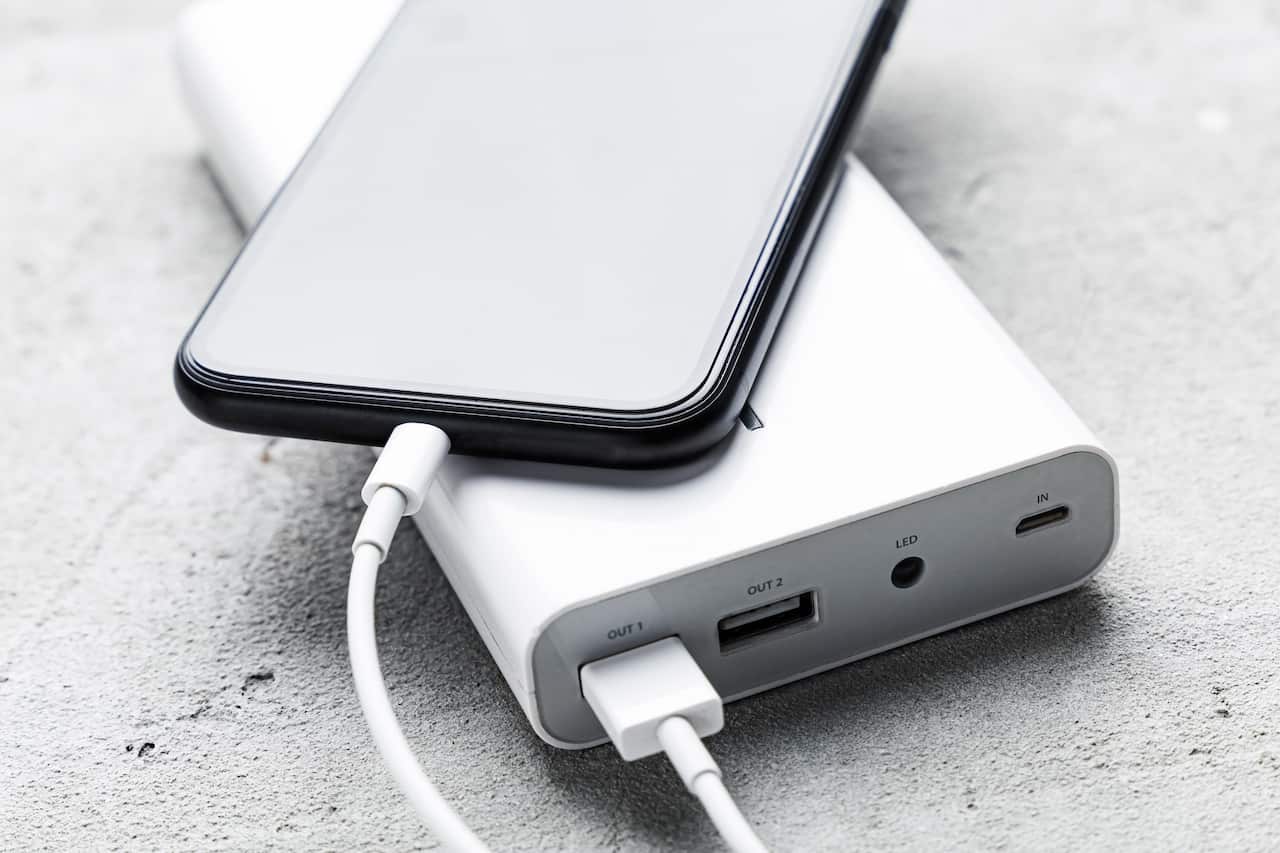
A power bank in an overhead locker is suspected to have caused a fire that broke out on a Virgin Australia flight from Sydney to Hobart in July.
Where are you headed?
Back in August, the Australian Bureau of Statistics revealed jetsetters were switching up some of the locations they were travelling to.
The bureau's annual report found the top overseas destination in 2024-2025 was Indonesia, accounting for more than 1.74 million (14 per cent) of Australian trips.
That was followed by New Zealand, Japan, the US and China.
Japan edged out the US to take third place, with the latter dropping to fourth. China moved up two places to secure its spot in the top five.
For the latest from SBS News, download our app and subscribe to our newsletter.







