Prime Minister Nuri al-Maliki has accused Iraq's autonomous Kurdish region of harbouring jihadists, further ratcheting up tensions, despite calls for leaders to unite against a Sunni militant offensive.
And in scenes reminiscent of the brutal sectarian war of 2006-2007, when tens of thousands were killed, the authorities found the bodies of 53 men who had been bound and executed south of Baghdad.
A jihadist-led offensive that started a month ago and soon overran swathes of five provinces north and west of Baghdad has displaced hundreds of thousands and heaped pressure on Maliki as he bids for a third term.
But he potentially damaged his efforts to retain the post by turning on Kurdish leaders based in the northern city of Arbil and accusing them of hosting militant groups behind the onslaught.
"Honestly, we cannot be silent over this and we cannot be silent over Arbil being a headquarters for Daash, and the Baath, and Al-Qaeda and terrorist operations," Maliki said on television, without elaborating.
News that makes sense
Your trusted source for staying up-to-date with the world around you. Get free daily news updates and analysis, straight to your inbox.
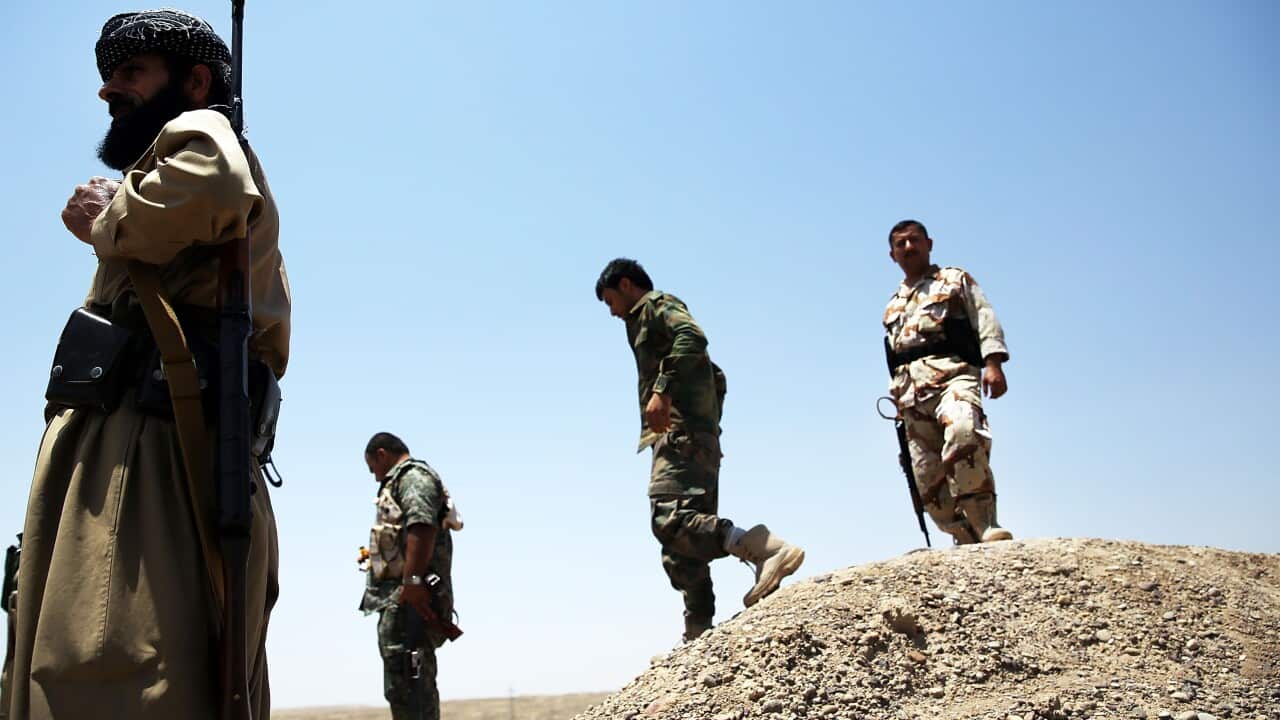
Daash is the former Arabic acronym for the Islamic State (IS) jihadist group, which Kurdish forces are in fact fighting against in the north, while Baath refers to the banned party of executed dictator Saddam Hussein, whose regime killed tens of thousands of Kurds.
"They (militant groups) will lose, and their host will lose also," said Maliki.
The comments will likely bolster supporters of independence for the Kurdish region in northern Iraq, which plans to hold a referendum on the issue.
Though Kurdish parliamentary backing is not necessary to form a government, the Kurds are seen as crucial to maintaining a united front against insurgents led by the IS.
Maliki's remarks were the latest example of persistent disunity among politicians, despite calls from international powers and influential clerics for Iraq's leaders to form a government more than two months after elections.
The crisis, which the UN has warned threatens "Syria-like chaos", has sharply polarised various communities and raised the spectre of a return to all-out sectarian blood-letting.







