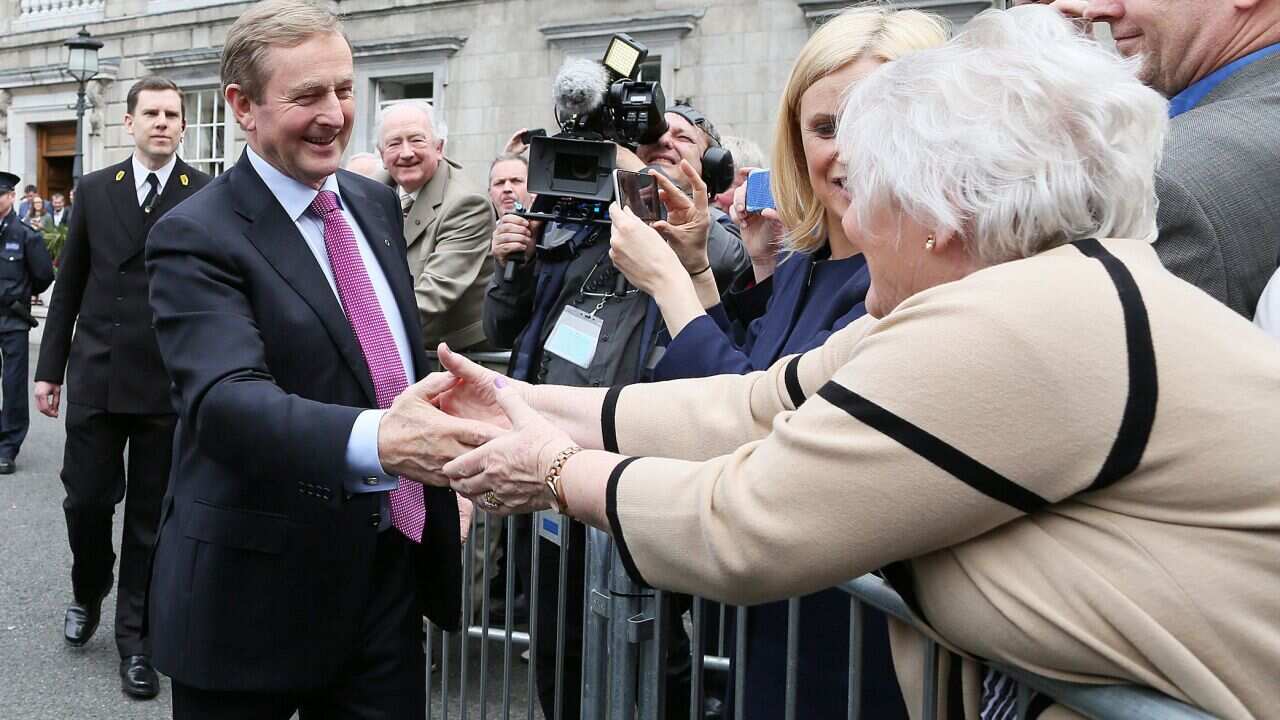
Enda Kenny has been re-elected Ireland's prime minister, ending 10 weeks of political deadlock, after his party's biggest rival abstained to usher in the first minority government in decades - and one many believe will be short-lived.
After suffering heavy losses at the February 26 election, Kenny's centre-right Fine Gael party returned to power on Friday with the backing of nine independent lawmakers and facilitated by its main rival, Fianna Fail, which agreed to abstain from opposition on key votes until the end of 2018.
"The government I lead will be a very different kind of administration formed in almost unprecedented circumstances," Kenny told parliament after 59 of its 157 members - one more than he needs to be assured of passing legislation - backed him on the fourth attempt in two months.
Kenny was forced to sit in the chamber awaiting the result of last-minute talks with the independents - on issues including turf-cutting - delaying the vote.
Punished by voters who felt the fruits of Europe's fastest growing economy were not being fairly distributed, Kenny must now address growing discontent over pay levels and tackle serious bottlenecks in housing and infrastructure.
News that makes sense
Your trusted source for staying up-to-date with the world around you. Get free daily news updates and analysis, straight to your inbox.
A draft policy program, a copy of which was published on the Irish Times newspaper's website on Thursday, indicated no dramatic shift in fiscal policy, though it suggested the state would take a more active role in the banking sector.
Kenny becomes the first two-time Fine Gael prime minister and first European leader to implement a bailout program and be returned to office, though he has said he will not seek a third term and could be replaced within a year.
Analysts have said such a patchwork government may struggle to last until 2018, and that policymaking could be hamstrung.







