
Key Points
- Australian travellers are being urged to exercise a "high degree of caution" when travelling to Türkiye.
- Türkiye was rocked by a 7.8 magnitude earthquake a month ago, destroying 10 provinces in the south.
- Here is the latest advice as to where you can and cannot go, and whether it's appropriate to travel to Türkiye.
One month has passed since a devastating 7.8 magnitude earthquake and a series of aftershocks destroyed regions in Türkiye and Syria, killing thousands and decimating entire towns.
Since 6 February, several smaller earthquakes were felt across the two countries and have left residents especially vulnerable.
According to Turkish authorities, more than 46,000 people in the country died as a result of the quakes, with an estimated 6,000 killed in nearby Syria.
More than 160,000 buildings containing 520,000 apartments collapsed or were severely damaged in Türkiye by the disaster - the worst in the country's modern history.
News that makes sense
Your trusted source for staying up-to-date with the world around you. Get free daily news updates and analysis, straight to your inbox.
As Türkiye continues to reel from the deadly disaster, questions are being asked if it is safe to travel there.
According to Türkiye's 2022 tourism ministry bulletin, 118,847 Australians visited the country last year. That nearly reaches pre-COVID levels where Türkiye recorded 120,837 travellers from Australia.
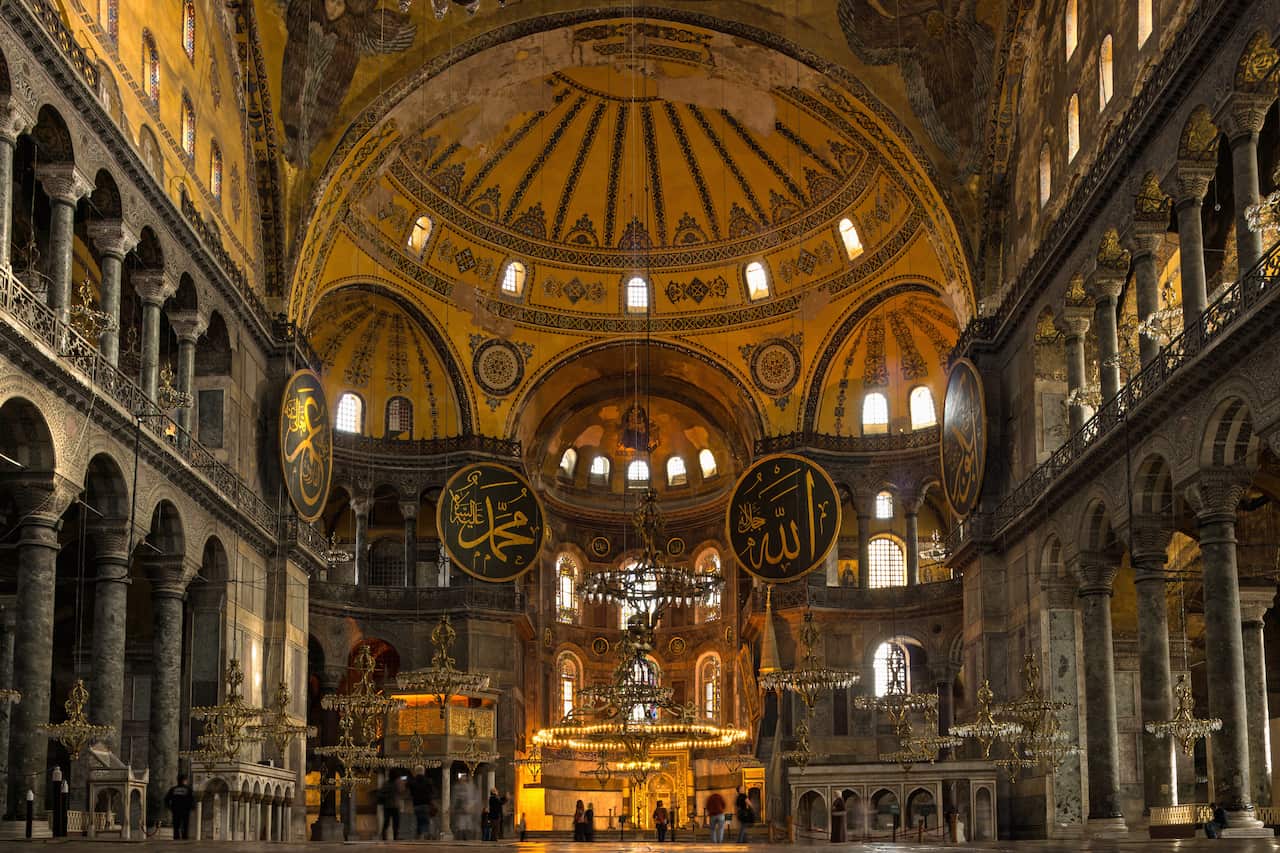
The latest data available from the Australian Bureau of Statistics reveals that around 44,200 Australian residents made a short-term visit to the country in 2019.
Can I travel to Türkiye?
The Department of Foreign Affairs and Trade's travel advice on Smartraveller states that Australians should exercise a "high degree of caution" when travelling to Türkiye.
Smartraveller advises Australians to "reconsider" the need to travel to the hardest-hit provinces that have been affected by the earthquakes, due to the risk involved in recurring quakes that can hit the area.
These include: Adana, Adıyaman, Diyarbakır, Gaziantep, Hatay, Kahramanmaraş, Kilis, Malatya, Osmaniye, Şanlıurfa.
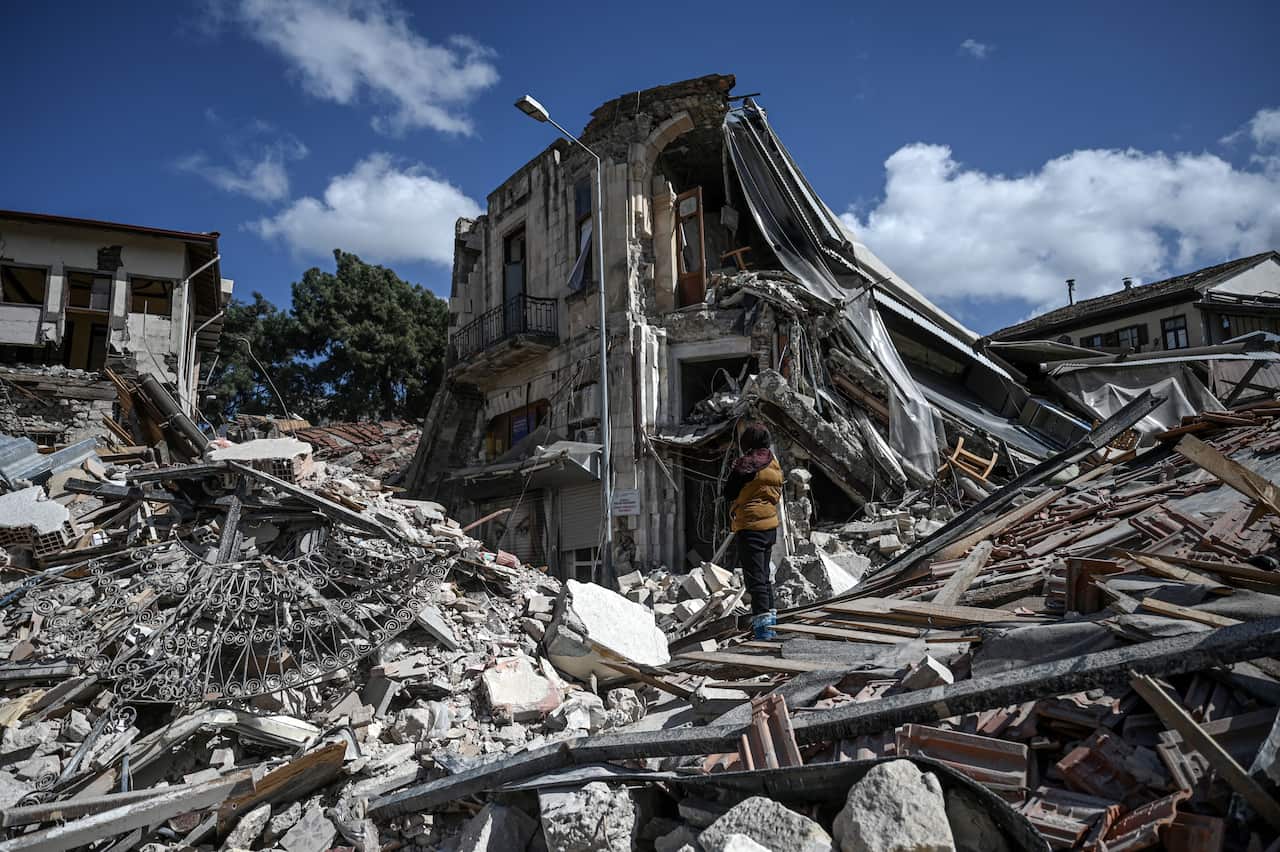
Shortly after the first earthquake hit on 6 February, the Turkish government declared a three-month state of emergency for the 10 provinces. It's aimed at providing aid and bolstering efforts to rebuild the thousands of homes destroyed. That means only cars that are carrying aid materials can enter the disaster zones.
Aftershocks are still being experienced, and they're likely to occur "for some time". It's advised you are communicating with family and friends and know what to do in the event of an earthquake.
Are there flights available?
International flights have not been affected by earthquakes. Main airlines are operating as normal and the busiest holiday hot spots in Türkiye are not close to the affected provinces.
While Hatay and Gaziantep airports have reopened, travelling through the provinces is very difficult. Kahramanmaras has temporarily suspended passenger flights.
Is it appropriate to holiday in Türkiye now?
In a country that is still in mourning over the destruction that remains in its wake, tourists may feel hesitant to travel there.
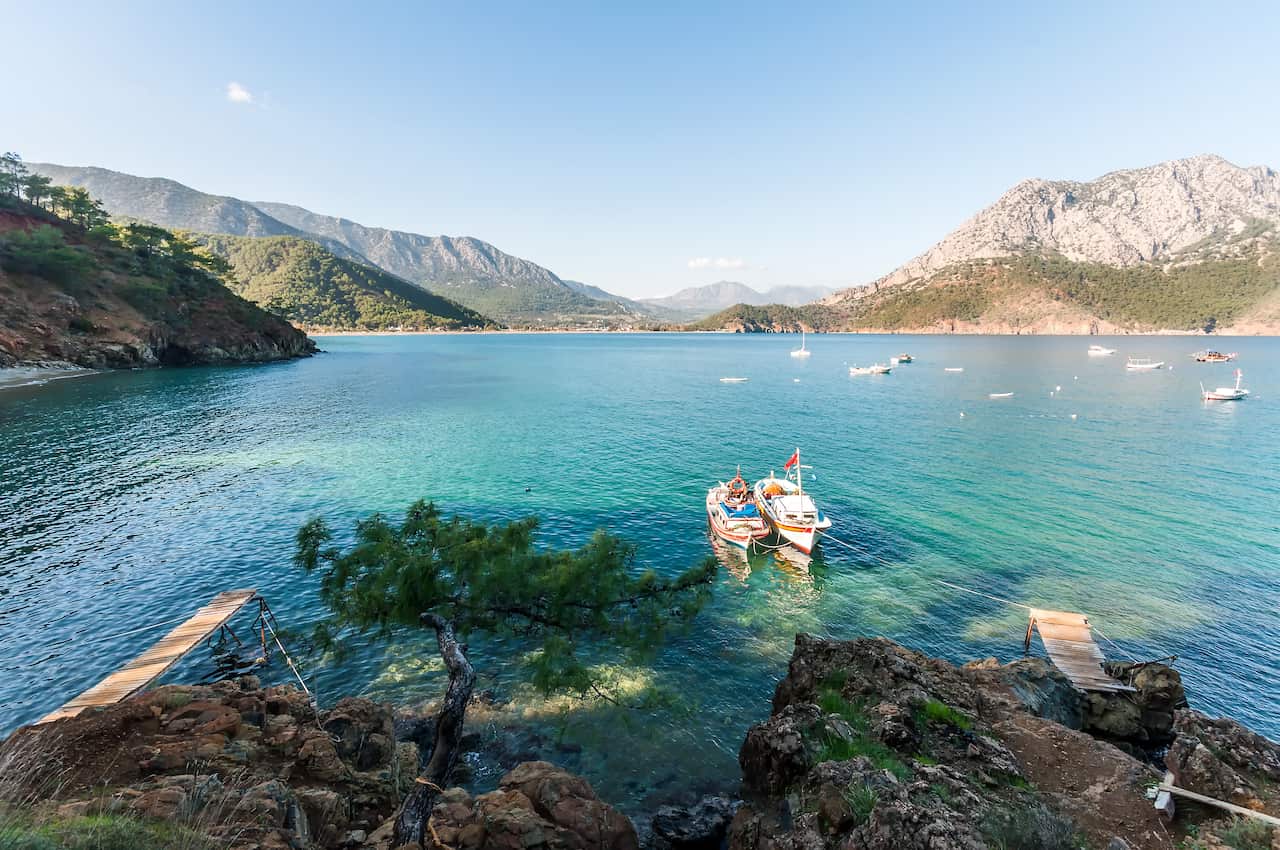
But Türkiye's tourism industry is vital to its economy, attracting 44.6 million foreign visitors and US$46.3 billion ($70.2 million) last year. In December, Tourism Minister Nuri Ersoy said that Türkiye is "now in the super league in the global tourism industry".
Istanbul Airport was recorded as the busiest airport in Europe last year but may feel a dip in travel numbers as people keep a watchful eye on the events unfolding there.
The net foreign exchange reserves lost US$8.5 billion ($12.9 billion) since the earthquakes hit a month ago.
Australians will need to apply for an e-visa if they are looking to stay for less than 90 days in a six-month period in a business or tourism capacity.







