IN BRIEF
- Former Manchester mayor Andy Burnham is emerging as the frontrunner to replace Keir Starmer.
- Starmer will stay on as caretaker prime minister while Labour chooses a successor.
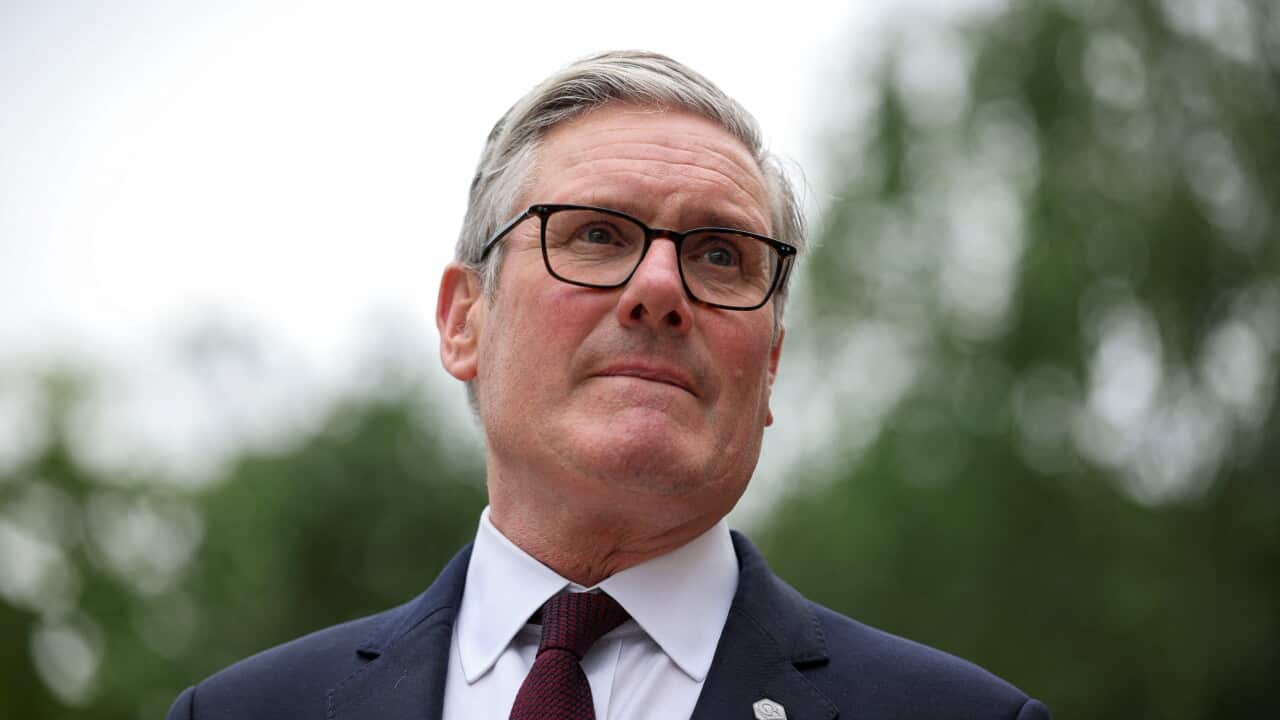
United Kingdom Prime Minister Keir Starmer has announced he will step down as leader of the Labour Party and leave office within weeks, ending a government that swept to power in a landslide election victory less than two years ago.
Starmer said he will remain in Downing Street as caretaker prime minister until Labour chooses a replacement, setting in motion another leadership transition in a country that has cycled through prime ministers at remarkable speed in the post-Brexit era.
The decision follows months of mounting political pressure, deteriorating public support and growing concern within Labour that the government had lost the confidence of voters.
Speaking outside Number 10 on Monday, an emotional Starmer said he had informed King Charles III of his intention to resign and would work to ensure an orderly transfer of power.
"Every decision I have taken has been about putting the country I love first," he said.
News that makes sense
Your trusted source for staying up-to-date with the world around you. Get free daily news updates and analysis, straight to your inbox.
His departure makes him the sixth UK prime minister in a decade to announce an early exit.
Why is Keir Starmer resigning?
Starmer entered office in July 2024 with one of Labour's strongest election victories in decades.
After 14 years of Conservative government, Labour promised political stability, economic repair and a reset of public trust.
But the government’s fortunes deteriorated quickly.
Starmer’s leadership became increasingly defined by domestic policy reversals, public frustration over cost of living pressures and criticism that Labour had failed to deliver visible change despite its commanding parliamentary majority.
Several ministerial departures and internal dissatisfaction fuelled concerns the government lacked direction.
Labour also faced pressure from outside parliament, with the anti-immigration Reform UK party gaining support and reshaping political debate.
The pressure intensified following poor local and regional election results in May, prompting questions within Labour about whether Starmer remained the right person to lead the party into the next general election, expected in 2029.
While Starmer had publicly insisted he intended to continue, reports emerged that senior figures had privately urged him to step aside and allow Labour to reset before support eroded further.
In his resignation speech, Starmer said he accepted that colleagues believed a change in leadership was necessary.
Who could replace him?
Attention has quickly turned to who could become the UK's next prime minister, with former Greater Manchester mayor Andy Burnham confirming he will seek the Labour leadership.
He is widely seen as the early frontrunner.
Burnham, a veteran Labour figure who previously served in government and twice unsuccessfully contested the party leadership, has only just returned to parliament after winning a by-election last week.
Some senior Labour figures have already suggested a lengthy contest may not be necessary if support consolidates behind him.
If Burnham secures the leadership unopposed, the UK could have a new prime minister before the end of July.
Other senior figures had been considered possible contenders, including former UK health secretary Wes Streeting, although he has since signalled support for Burnham.
What happens now?
Labour’s National Executive Committee will oversee the process of choosing a new leader.
Nominations are scheduled to open on 9 July and close when parliament rises for its summer recess on 16 July.
Under the UK's parliamentary system, the leader of the governing party automatically becomes prime minister if they can command a majority in the House of Commons.
That means voters will not automatically return to the polls unless a general election is called.
Opposition figures, including Reform UK leader Nigel Farage, have already used the announcement to push for a fresh national vote.
For now, Starmer says his focus is on ensuring stability during the transition.
But his resignation also raises broader questions about whether Labour can rebuild public confidence, and whether another change at the top will finally bring the political stability many British voters thought they were choosing in 2024.
How are Britons reacting?
Starmer's resignation has reportedly been met with a mix of relief, caution and frustration from voters who told Agence France-Presse (AFP) that they are still waiting to see improvements in everyday life.
A snap YouGov poll published on Monday found 62 per cent of Britons believed Starmer was right to step down, underscoring how quickly support for the prime minister had deteriorated after Labour’s emphatic election win in 2024.
In London, lawyer Alan Collins told AFP he was not surprised by the announcement.
"I’m sure, for all the right reasons, it’s come as a great relief to many people," he said.
"It’s good news for the country. Because the country’s got so many challenges and problems that need addressing and they are not being met."
Others said replacing the prime minister alone would not resolve deeper concerns about household finances and economic pressure.
Financial services worker Louis Marks said people were still waiting to feel the benefits of the change they voted for after ending 14 years of Conservative government.
"You know, the economy is probably in the worst state it’s been in, in my lifetime," he told AFP.
He warned that unless voters begin to see meaningful change soon, Britain risks falling back into a cycle of short-lived leaders and political dissatisfaction.
In Manchester, where Andy Burnham has spent nearly a decade as mayor, some residents were more optimistic about what his leadership could bring nationally.
But others remained cautious, warning expectations will be high and patience may be limited if living pressures do not ease.
There was also concern among some voters about the continued rise of Reform UK and whether Labour can regain public trust before the next election.
— With additional reporting by Agence France-Presse.
For the latest from SBS News, download our app and subscribe to our newsletter.







