When Tony Spiers bought his first almond orchard in South Australia's Riverland region 40 years ago, the Australian almond industry was young - and so was he.
"My memories tell me that the thing I enjoyed about it most was the fact that they seemed to be drought-proof. And coming from a dryland farm, that was quite an attraction to me," he says.
At first, it appeared to be true.
But like thousands of farmers across the country, Mr Spiers could not avoid the devastating grip of the millennium drought, which began in 1995 and continued for more than a decade.
"That cost us pretty dearly, actually, but the trees are permanent plantings, and they have to be kept alive, so we can't turn the water off,” he said.
News that makes sense
Your trusted source for staying up-to-date with the world around you. Get free daily news updates and analysis, straight to your inbox.
“So we just had to pour whatever resources we had into purchasing water."
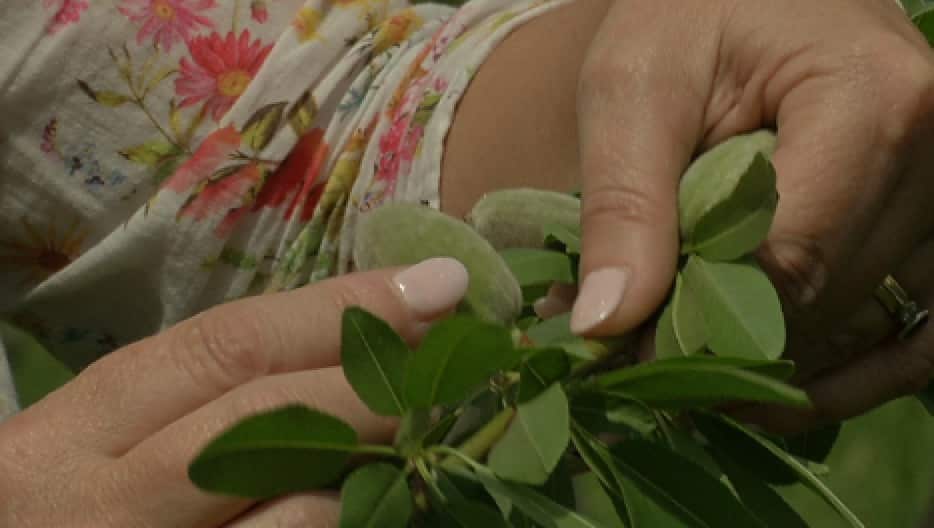
From tough times came a major innovation, with many turning to drip and surge irrigation methods, designed to make the most efficient use of water.
Both methods allow water to drip out of pipes at a trickle pace, reducing evaporation and drainage.
"That was quite a change to the industry, and a lot of the older growers were reluctant to put in drip irrigation,” said Mr Spiers.
“But the trial work done by the Almond Board of Australia had proven that it worked."
Seventy per cent of Australian-grown almonds are destined for export, and they are in demand.
Last year, Australia overtook Spain as the world's second-largest exporter.
The world's top producer remains the US state of California.
Its industry has been instrumental in helping Australian farmers grow and prosper, according to Almond Board of Australia chief executive Ross Skinner.
"We've been the beneficiaries of a lot of their world's best practice,” he said.
“Over the years, we've adopted most of their practices and equipment and production systems."
But with prolonged drought now badly affecting California - where 80 per cent of the world's supply is produced - Australia is paying back that help in reverse.
"Given that the US has gone into a drought period, the most severe in their history, they're now looking to Australia for the technologies that we've developed to improve water-use efficiencies,” said Mr Skinner.
University of Adelaide plant breeder Michelle Wirthensohn says it will take time and investment for some Australian techniques to become widely utilised in California.
"Some of their farmers still use flood irrigation,” she said.
“If they could get, perhaps, government support to help buy the infrastructure - you need to buy thousands of kilometres of drip line, obviously, and put it out - I'm pretty sure they'd be able to take it up fairly quick smart."
At her Adelaide lab, Ms Wirthensohn is looking for more ways to conserve water during production.
"Part of the breeding plan, we're trying to produce cultivars yielding even more with the same amount of water, so they're more water-use efficient."







