
After days of chanting for revolution and reform, protesters in Lebanon struck up a different tune to soothe a frightened toddler.
In a heart-warming video, protesters are shown singing to the 15-month-old child after his mother told them he was scared.
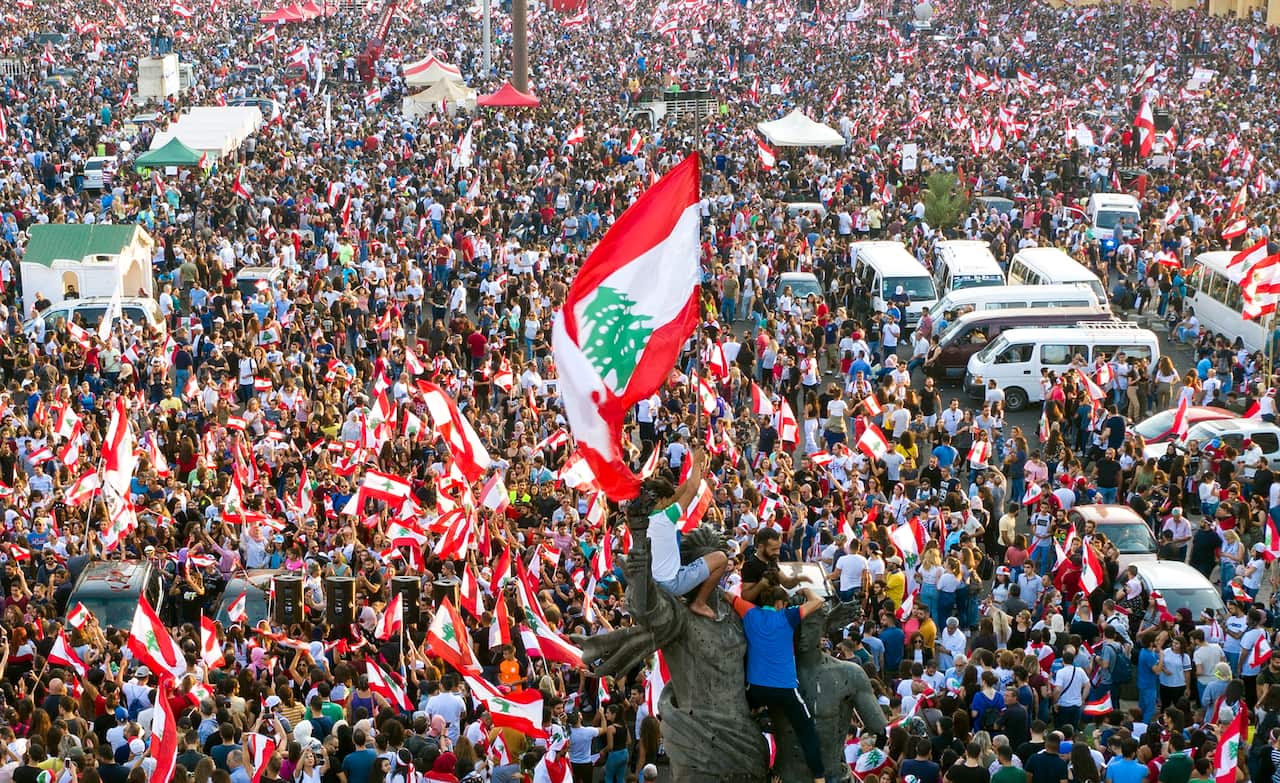
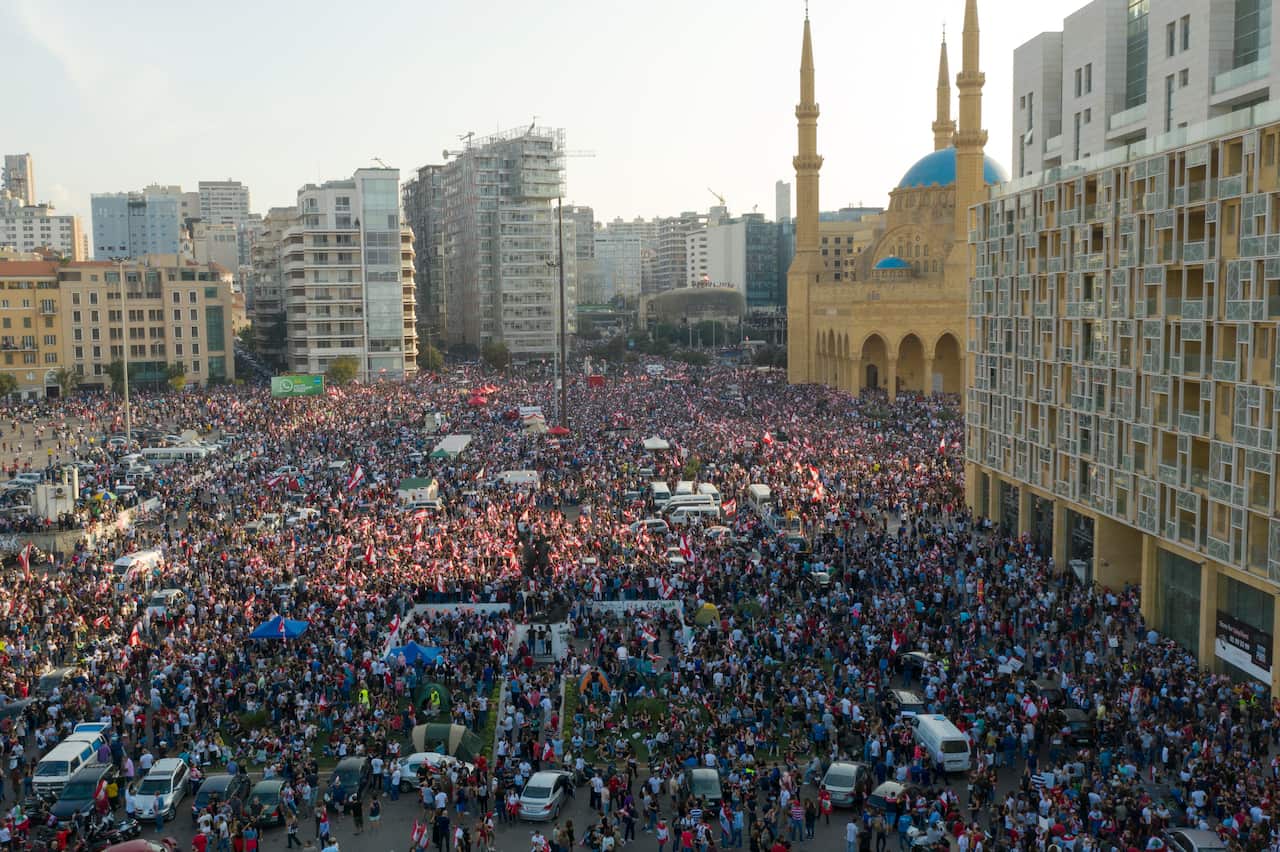
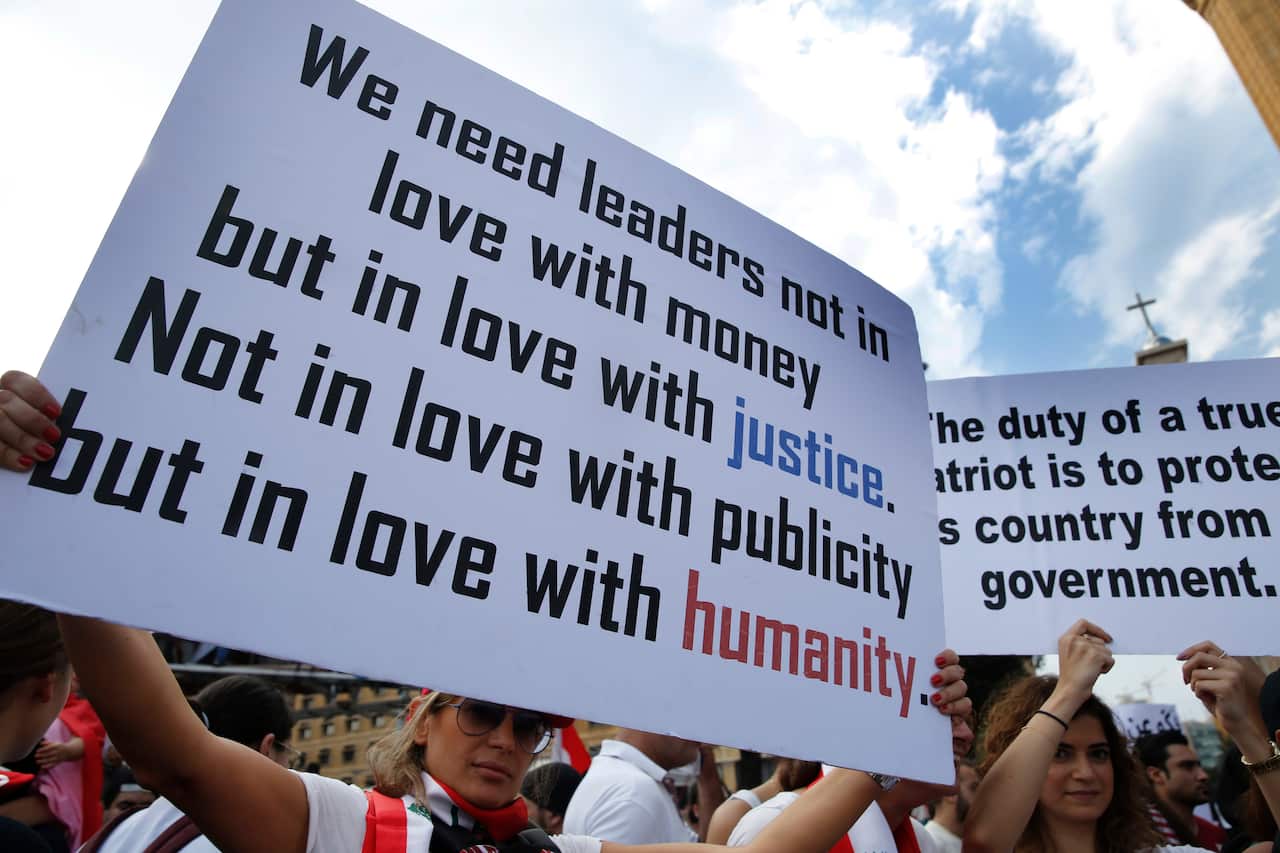
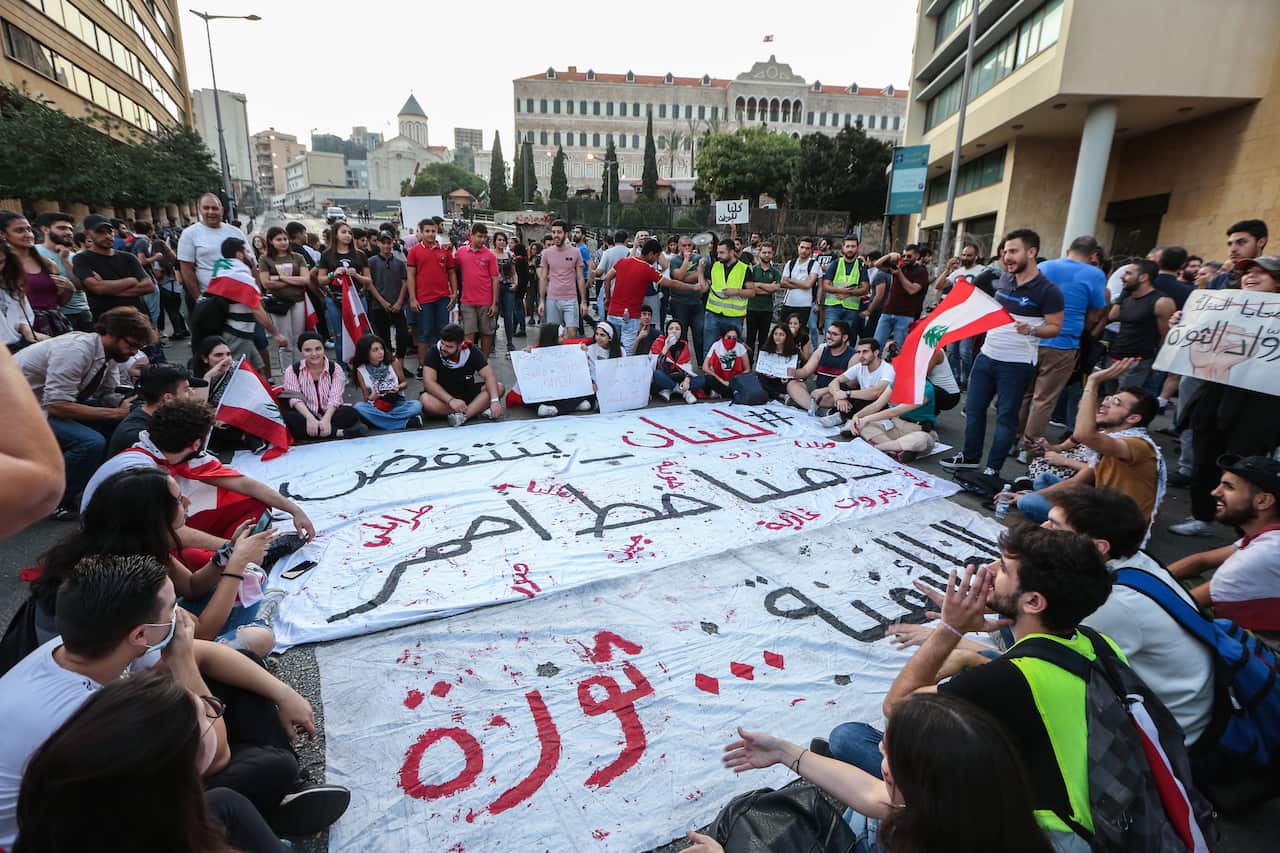
Hundreds of thousands of people have flooded the streets across Lebanon since Thursday, furious at a political class they accuse of pushing the economy to the point of collapse.
News that makes sense
Your trusted source for staying up-to-date with the world around you. Get free daily news updates and analysis, straight to your inbox.
Eliane Jabbour was driving south of the capital Beirut when the protesters surrounding her car began to sing the Baby Shark tune to calm her son Robin.
Lebanon has approved an emergency reform package in response to protests over dire economic conditions, but the moves have so far not been enough to persuade demonstrators to leave the streets.
Foreign governments have backed the Lebanese government's reform Prime Minister Saad al-Hariri's office cited the country's UN coordinator Jan Kubis as saying.
France's government said it was encouraging the Lebanese government to push ahead with the necessary reforms to restore the economy.
"France is attentive to the latest developments in Lebanon. It calls for the preservation of the peaceful nature of the protests and the strict respect of the rights of all Lebanese to protest," foreign ministry spokeswoman Agnes von Der Muhll said in a statement.
Mr Hariri had recently met ambassadors from the United States, Russia, China, the European Union and the Arab league, his office said.
The ambassadors had urged Lebanon to address the demands of protesters, refrain from using violence against them, and work to curb corruption, Mr Hariri's office added.
Lebanon's banking association has announced that the country's banks will remain closed on Wednesday due to the ongoing civil unrest.
A proposed tax on mobile messaging applications last week sparked a spontaneous, cross-sectarian mobilisation that has brought Lebanon to a standstill and put the entire political class in the dock.
The reform plan includes a 50 per cent cut in salaries of current and former presidents, ministers and lawmakers, as well as reductions in benefits for state institutions and officials.
It also includes the central bank and private banks contributing $US3.3 billion ($A4.8 billion) to achieve a "near zero deficit" for the 2020 budget.
The government also aims to privatise the telecommunications sector and overhaul the costly and crumbling electricity sector, one of the biggest strains on Lebanon's depleted finances.
A chorus of voices, from union leaders to politicians, has joined calls for Mr Hariri's government to resign.







