In brief
- Netanyahu's office says Hezbollah fire wounded three Israeli soldiers in the security zone.
- Hezbollah warned the attacks would be met with "what they deserve".
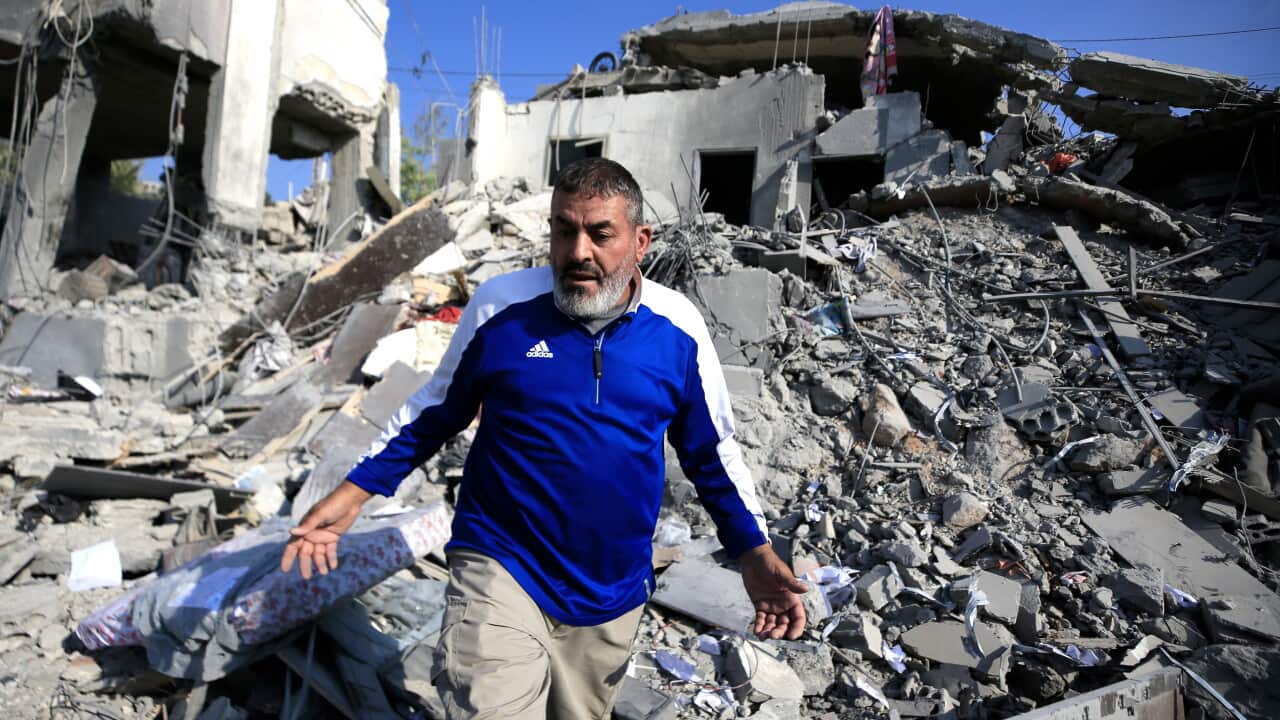
At least 11 people have been killed in Israeli strikes in southern Lebanon, the Lebanese health ministry said, some of the deadliest raids since deals in June eased hostilities between Israel and Hezbollah.
The Israeli military said it struck Hezbollah infrastructure overnight in what it describes as a security zone in southern Lebanon in response to actions against its soldiers there.
Iran-backed Hezbollah said in a statement that the attacks would be "met with what they deserve".
The framework leaves Israeli troops inside occupied southern Lebanon until Hezbollah is disarmed and the Lebanese army takes control, terms the group has rejected as surrender.
Lebanon's official National News Agency said seven people were killed when Israeli warplanes struck a house in the southern village of Ansar, while four others were killed in a strike on the village of Deir El Zahrani.
News that makes sense
Your trusted source for staying up-to-date with the world around you. Get free daily news updates and analysis, straight to your inbox.
The seven people killed in Ansar included three children and two women, NNA said, adding that a total of 19 people were wounded in the attacks.
At least 4,300 people have been killed in Lebanon in the latest round of hostilities since 2 March.
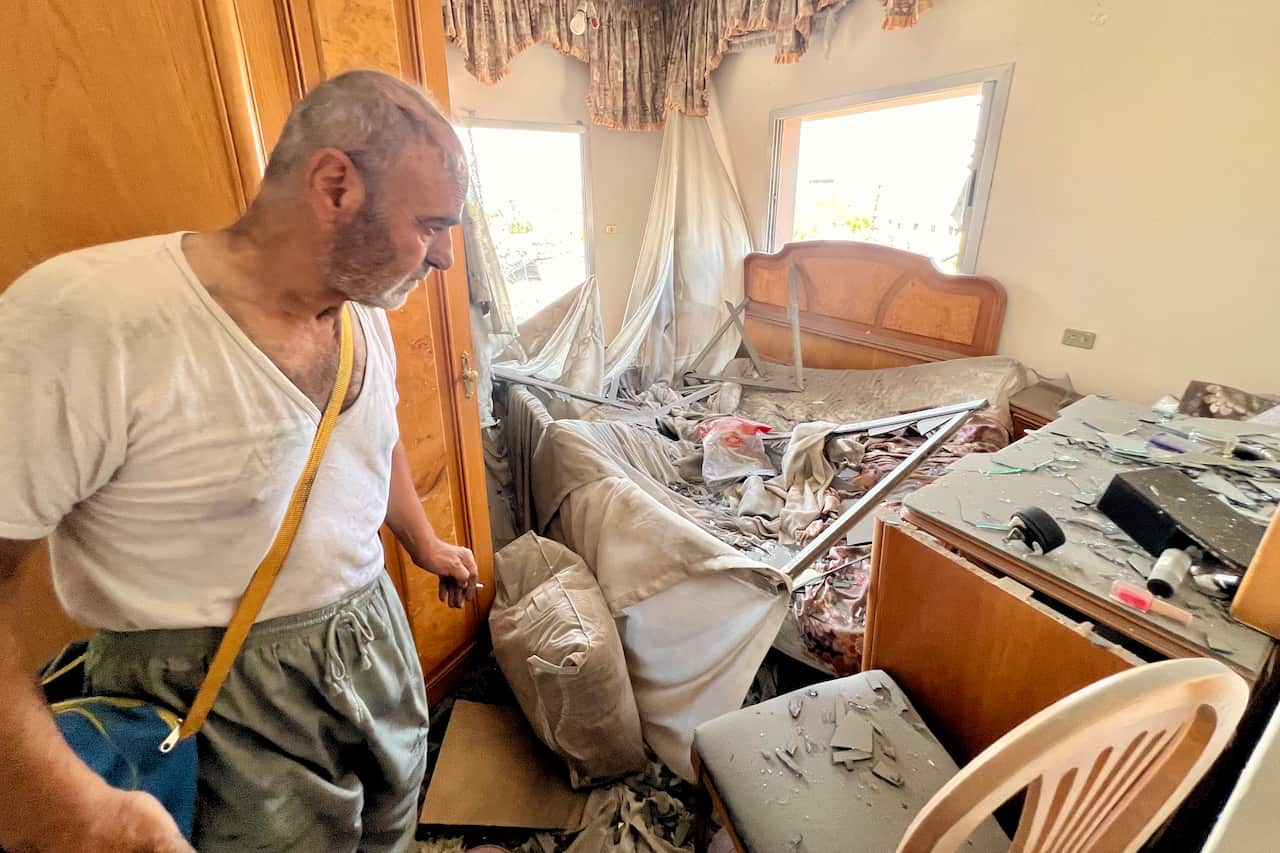
NNA also reported other airstrikes across southern Lebanon, including on a strategic area north of the Litani River known as Ali al-Taher hill. One, targeting a valley next to Ansar, was the deepest strike into Lebanon in two months.
The office of Israeli Prime Minister Benjamin Netanyahu, in a statement on X, accused Hezbollah of violating the ceasefire and attacking Israeli soldiers leading to three injuries.
"The IDF (Israel Defense Forces) responded by striking the Hezbollah terror headquarters which ordered the attack," the statement said. "Only later did the IDF learn that Hezbollah deliberately put civilians in that military compound."
The Israeli military said in a statement it killed Ali Samir Al-Haj Hassan, a commander in Hezbollah's elite Radwan Force unit and others when it struck "a central headquarters of the Radwan Force unit", in Ansar.
"At the time of the strike, Hassan’s family was also present with him inside the military headquarters and, according to the claim, was harmed in the strike," the statement added, emphasising that the family was not the target of the strike.
'Clear message', says Lebanon's president
"The martyrs of the Israeli raid on the village of Ansar are not 'military infrastructure' and the women and children killed in it are not military targets," Lebanon's Prime Minister Nawaf Salam said in a post on X.
Nabih Berri, the speaker of Lebanon's parliament, who is a Hezbollah ally, called in a statement for national unity and for the sponsors of the peace talks and ceasefire agreements to assume responsibility for stopping the war before it was too late.
Israel's military seized a swathe of southern Lebanon during its war with Hezbollah earlier this year, triggered after the group fired at Israel two days into the Iran war. Israel has said it will keep its forces there to protect the north of the country from further attacks.
During a visit to southern Lebanon on Thursday, Defence Minister Israel Katz said Israel would not withdraw from areas under its control until Hezbollah was disarmed. A US State Department official said a permanent Israeli military presence there was not consistent with commitments set out in the deal.
Lebanese President Joseph Aoun, in a statement on X, said the attacks were a "clear message" aimed at the negotiations and U.S. efforts towards implementing the framework agreement.
Doron Spielman, international spokesperson for the Israeli Prime Minister's Office, told Reuters Saturday's strikes would "tighten up" negotiations.
"I think it should make the negotiations more serious and more real, because it highlights the whole reason we got into these negotiations in the first place," he added.
For the latest from SBS News, download our app and subscribe to our newsletter.







