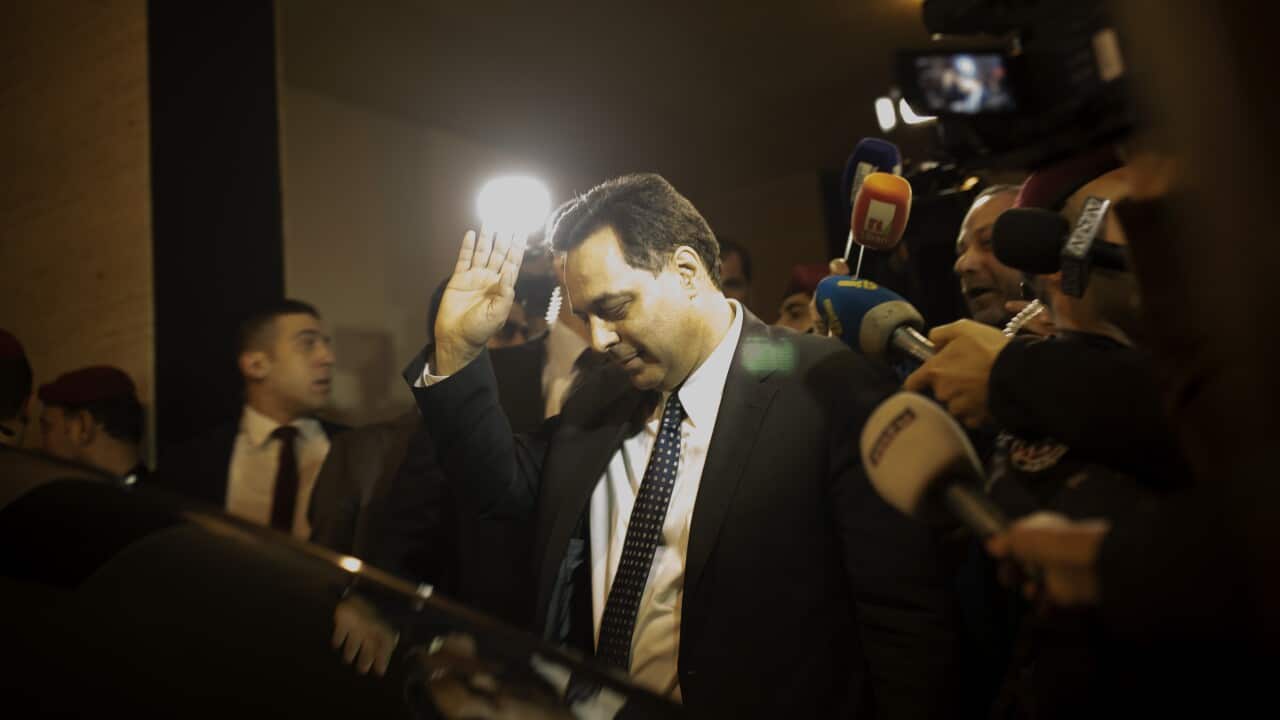
Crisis-hit Lebanon's president says he is going to name academic and former minister Hassan Diab, backed by Shiite movement Hezbollah, as the country's new prime minister, ending nearly two months of political wrangling.
The little-known 60-year-old engineering professor at the American University of Beirut (AUB) replaces outgoing premier Saad Hariri amid nationwide anti-government protests and the worst economic crisis since Lebanon's 1975-1990 civil war.
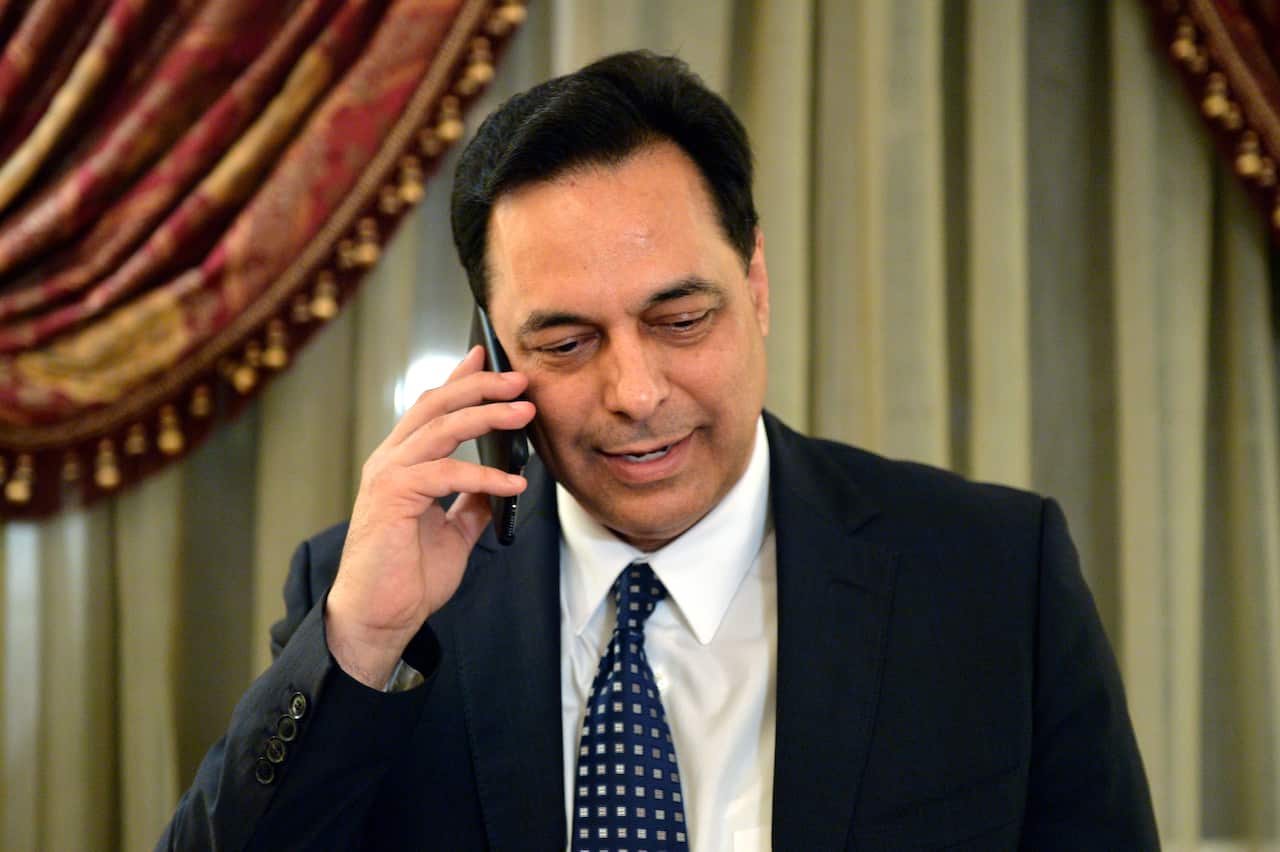
He was thrust forward as a candidate with the backing of parliamentary blocs affiliated with Shiite movements Hezbollah and Amal as well the Free Patriotic Movement (FPM), founded by Christian President Michel Aoun.
But he did not receive the backing of Sunni blocs or their own Christian allies.
News that makes sense
Your trusted source for staying up-to-date with the world around you. Get free daily news updates and analysis, straight to your inbox.
His nomination will yield a lopsided government that observers warn could fuel sectarian tensions and complicate efforts to secure international aid needed to pull Lebanon back from the brink of default.
"After binding parliamentary consultations ... the president has summoned ... Hassan Diab to appoint him to form a government," the presidency said in a statement after the twice-delayed talks on Thursday.
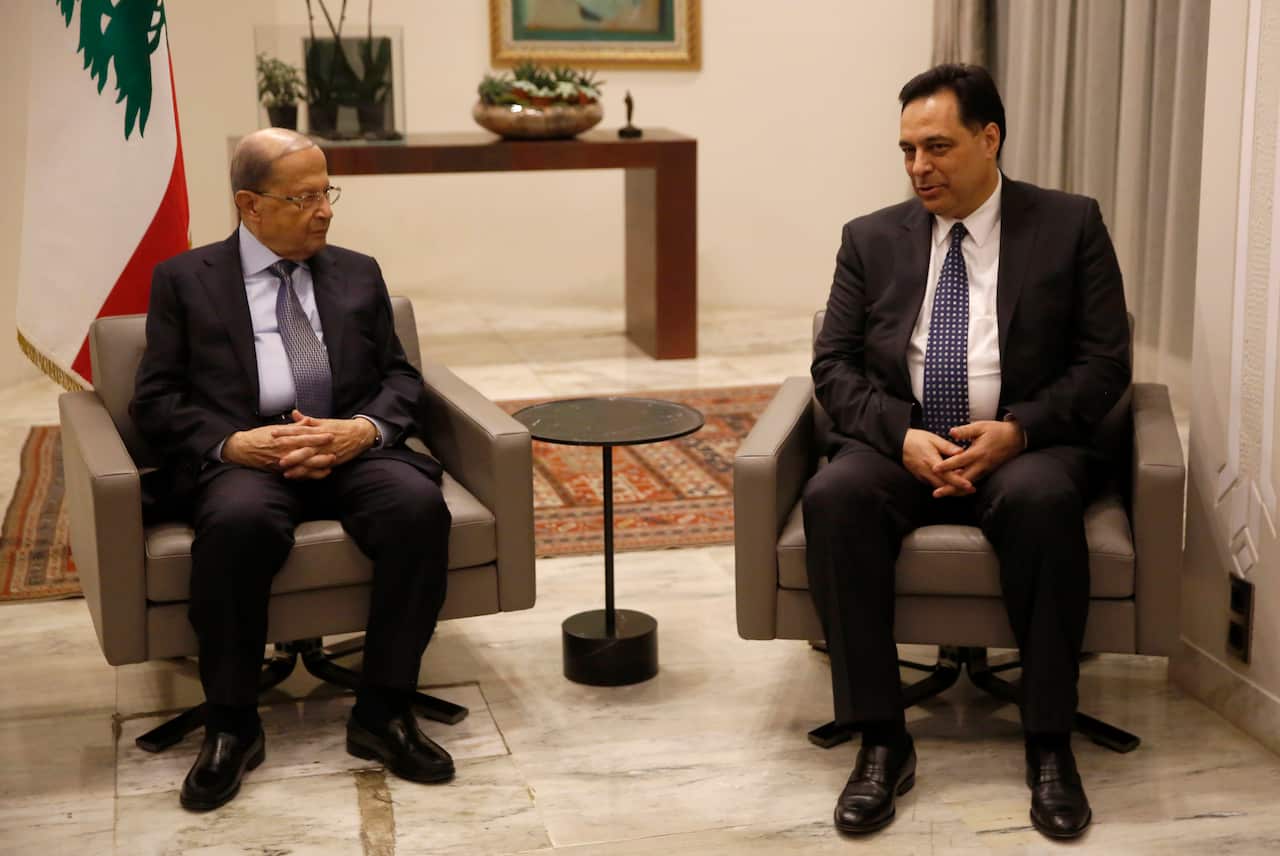
Mr Aoun met with all parliamentary blocs before naming the new prime minister after Mr Hariri pulled out of the race on Wednesday.
His bloc did not nominate its own candidate for prime minister.
'The only option'
Mr Hariri resigned seven weeks ago under pressure from an unprecedented wave of protests demanding a complete overhaul of the political system, leaving the country without a government to tackle its worst-ever economic crisis.
The 49-year-old Sunni leader had in recent days been seen as likely to head a technocrat-dominated government, but he announced late Wednesday he was pulling out.
Lebanon has been ruled by the same political clans and families since the 1975-1990 civil war.
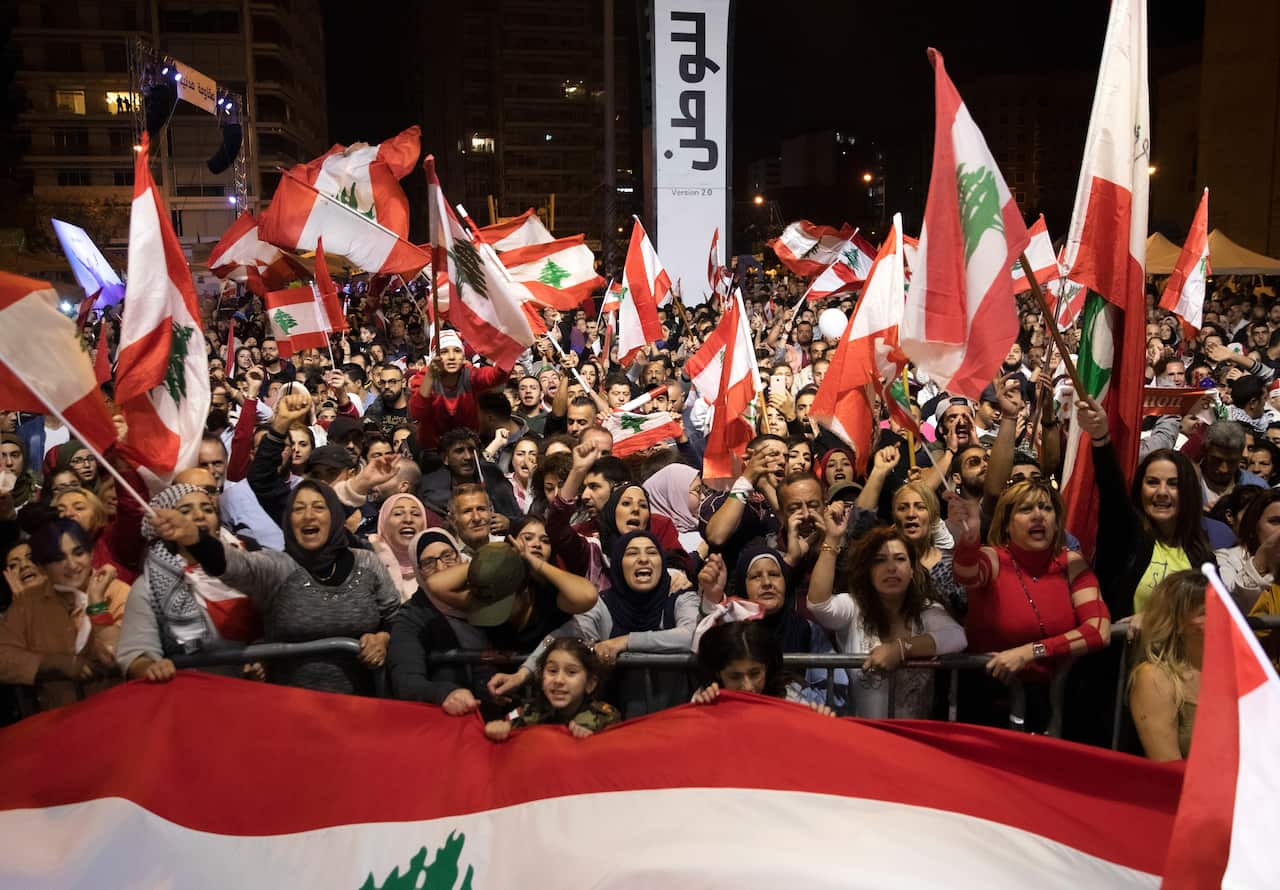
But demonstrators from all sects have protested every day since October 17 to demand the removal of the entire political leadership - seen as corrupt and incompetent - and its replacement with a technocratic government.
"I have strived to meet their demand for a government of experts, which I saw as the only option to address the serious social and economic crisis our country faces," Mr Hariri said in a statement.
But, he added, his rivals' staunch opposition to his plan for a technocratic government forced him to bow out.
A career academic, Mr Diab held the education portfolio from 2011 to 2014 in a government formed after Hezbollah brought down a previous Hariri cabinet.
A power-sharing system enshrined after the end of the civil war means that the prime minister's position should be filled by a member of the Sunni Muslim community.
As the leading Sunni representative, the prime minister is usually backed by the community's main leaders.
But Lebanon's heavyweight Sunni politicians stopped short of backing Mr Diab, raising fears that the next government will be polarised and unable to tackle urgent reforms demanded by protesters and the international community.
'Sunni-Shiite schism'
Imad Salamey, a political science professor at the Lebanese American University, said Mr Diab's appointment will only "deepen" Lebanon's crisis.
It will mean "the coming government will be dominated by Hezbollah and its allies without political cover from Hariri and the Sunnis," he said.
"This will drive Lebanon towards a Sunni-Shiite schism and drown the revolution in sectarian discourse."
Mr Diab, who is not politically affiliated and little known to the public, describes himself on his website as "one of the rare technocrat ministers since Lebanon's independence".
But it remains to be seen how protesters will react to his appointment.
Three days after the start of the anti-government protests, he called them a "historic and awe-inspiring scene".
"The Lebanese people have united to defend their rights to a free and dignified life," he wrote on Twitter.
While the huge crowds that filled the squares of Beirut and other Lebanese cities two months ago have dwindled, the protest movement has remained vibrant.
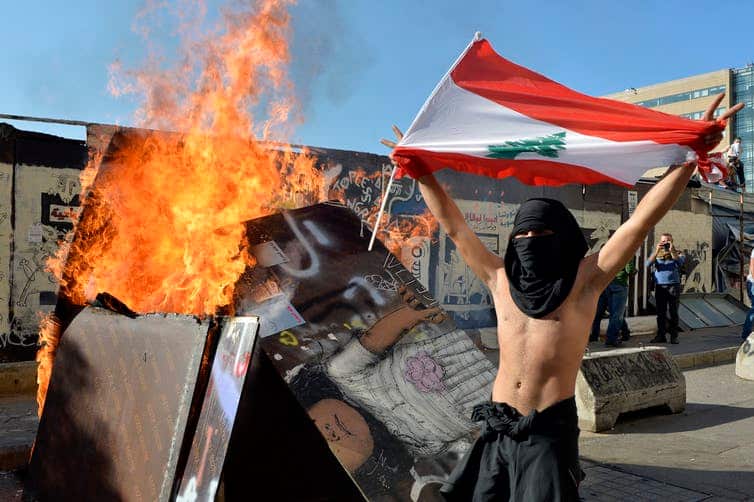
Tensions have been heightened by the looming bankruptcy of the debt-burdened Lebanese state.
A government dominated by Hezbollah, which has been targeted by increasingly biting US sanctions, is unlikely to secure billions of dollars in frozen aid.
The Lebanese pound, officially pegged to the US dollar, has lost around 30 per cent of its value on the black market, while companies have been paying half-salaries over the past two months, as well as laying off employees.







