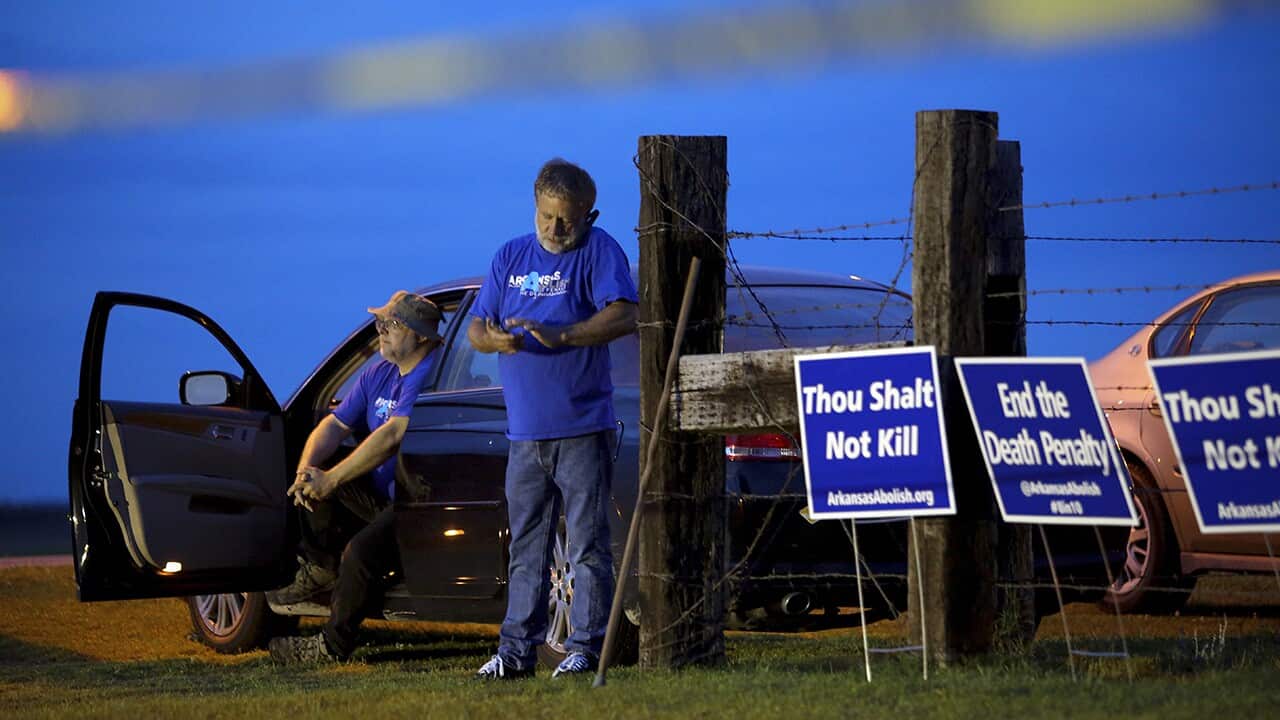
What began as a macabre plan to put eight convicted murderers to death in 11 days - a record, had it been carried out - has now seen one prisoner executed and four win reprieves.
The US Supreme Court voted 5 to 4 to deny staying the executions of all eight condemned inmates.
But with the clock still ticking, Arkansas authorities are preparing to administer lethal injections Monday to Marcel Williams and Jack Jones. Four days earlier, on Thursday, Ledell Lee was put to death in the state's first execution in more than a decade.
One more execution is scheduled for later in the week: Kenneth Williams, whose lawyers say he is intellectually disabled, on Thursday.
Arkansas's Republican governor Asa Hutchinson has said the accelerated execution timetable is necessary as the state's stock of a controversial sedative will expire at the end of the month.
News that makes sense
Your trusted source for staying up-to-date with the world around you. Get free daily news updates and analysis, straight to your inbox.
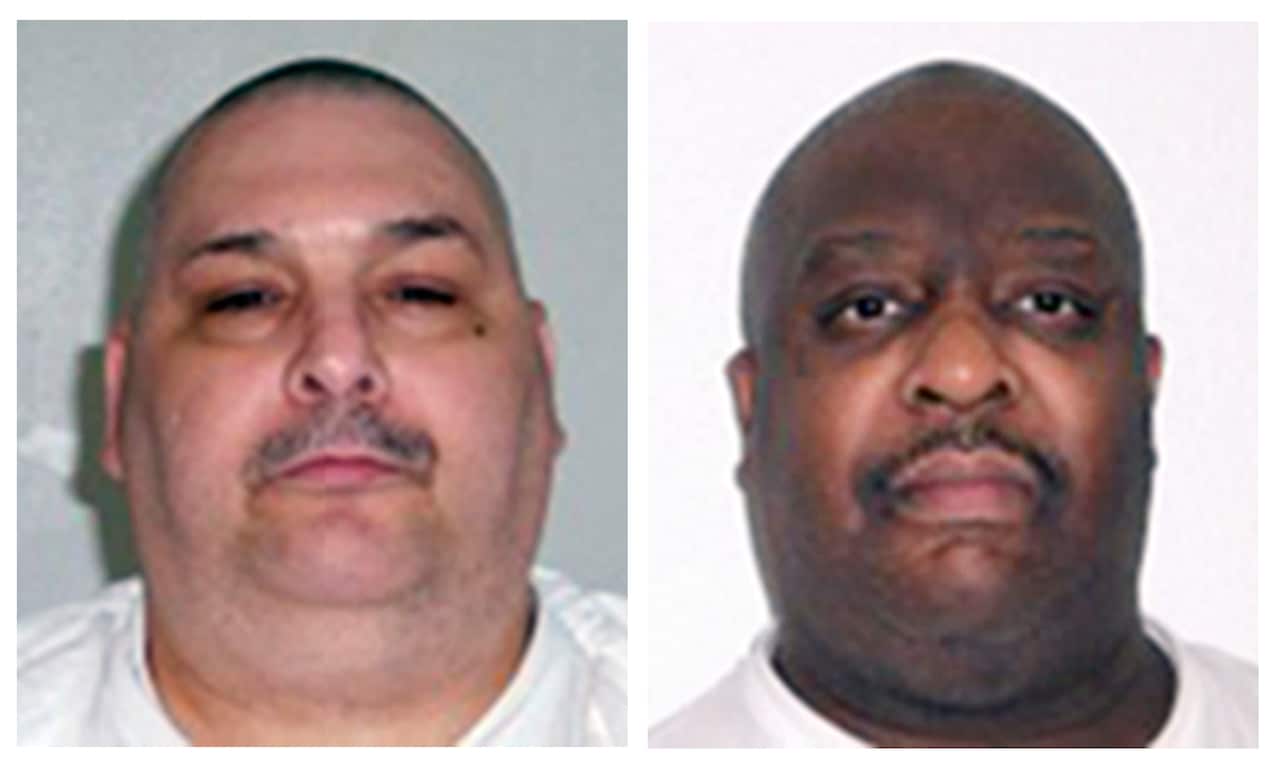
The state attorney general, Leslie Rutledge, has pledged to overcome the stays and haul the convicts back into the death chamber.
Many of the legal clashes over Arkansas's plan focus on use of the drug midazolam, a sedative meant to render a condemned person unconscious before other drugs induce death.
Critics say it does not always adequately sedate prisoners, potentially causing undue suffering.
And McKesson Medical-Surgical, a distributor for pharmaceutical giant Pfizer, had asked courts to ban the use of a paralytic it sells, vecuronium bromide, in the chemical cocktail used to kill prisoners.







