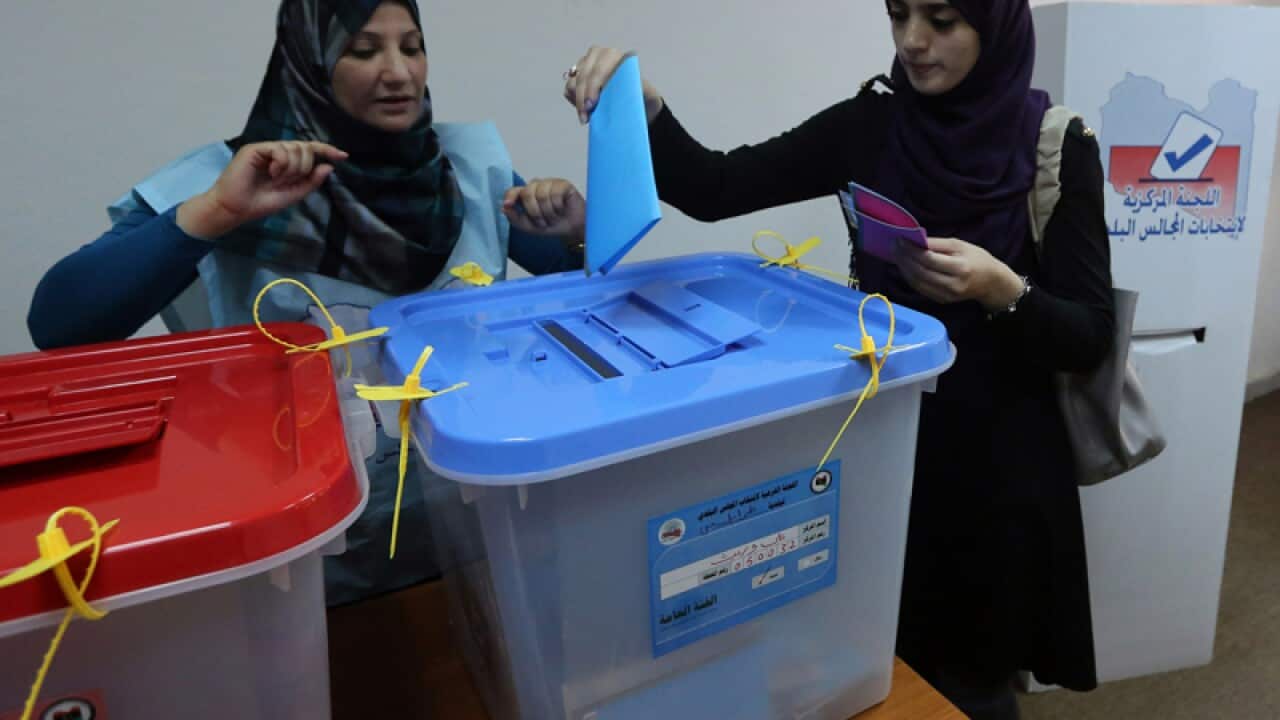
Libya has called an election for June to replace its disputed interim parliament and try to resolve a power struggle, but violence among militias threatens to scupper the vote.
Highlighting the seriousness of the security threat, the navy's chief of staff, Rear Admiral Hassan Abu Shnak, his driver and two guards were wounded on Wednesday when gunmen attacked his convoy in Tripoli.
Militias are blamed for growing unrest in the North African country since the 2011 NATO-backed uprising that killed dictator Muammar Gaddafi.
Successive governments have complained that the claim by the General National Council (GNC) to executive power as well as legislative authority has tied their hands in taming the militias.
The electoral commission said the election for the currently Islamist-dominated GNC will be on June 25.
News that makes sense
Your trusted source for staying up-to-date with the world around you. Get free daily news updates and analysis, straight to your inbox.
While some observers doubt it will take place, one Western diplomat told AFP the vote could go ahead.
"The electoral commission has the logistical and human resources needed to organise the elections on schedule," the diplomat said.
The government hopes such a vote could help avoid civil war after renegade general Khalifa Haftar, whom authorities branded an outlaw, launched an assault on Islamists in Benghazi on Friday.
Haftar has won widening support for his campaign to rid Libya of jihadists.
His supporters include an elite special forces unit of the regular army in Benghazi, who have suffered mounting losses in suspected jihadist attacks in the eastern city where Islamists are well entrenched.
Police brigades, officers at Tobruk air base and the powerful Al-Baraassa tribe from the east have also declared support for Haftar.
Islamist militias, including the Benghazi-based Ansar al-Sharia, which was the focus of Friday's assault, have vowed to resist any move against them.
The group, which denies accusations it was behind a September 2012 attack on the US consulate in Benghazi, was put on the US terror blacklist in January.







