
Coal mining has a long history in the Newcastle and Hunter region of New South Wales.
The industry in Australia began in Newcastle in the early 1800s, and the area has since prospered from coal.
But some are now imagining a different future, saying it's time to diversify so that the region isn't as dependent on the finite resource.
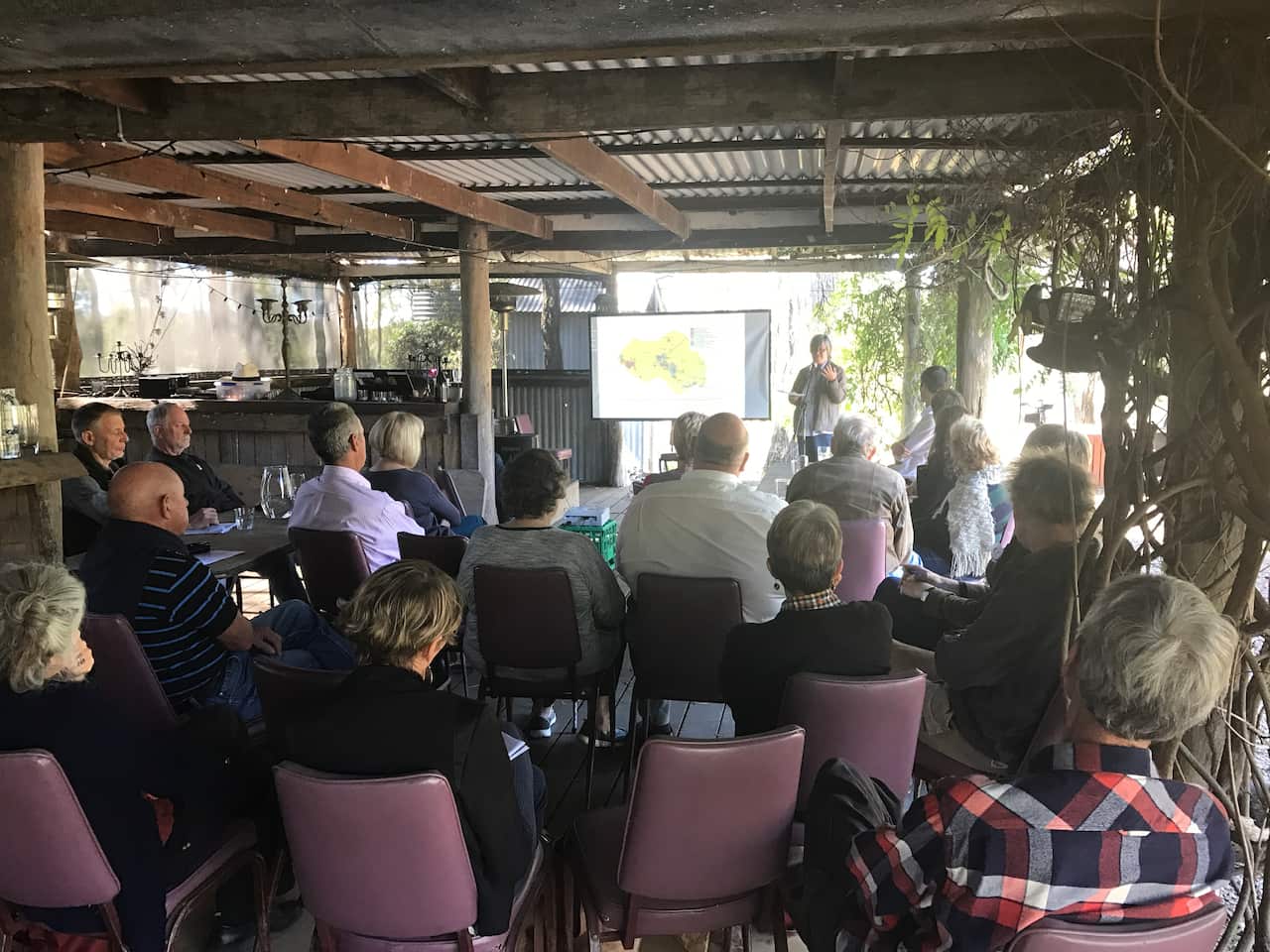
Environmental group, Lock the Gate, recently hosted Lisa Abbott, from the Appalachian region in the US, once the country's largest coal producing area.
Ms Abbott, head of the Empower Kentucky Project, says much like the Hunter, coal mining has long been the lifeblood of the Appalachian communities.
News that makes sense
Your trusted source for staying up-to-date with the world around you. Get free daily news updates and analysis, straight to your inbox.
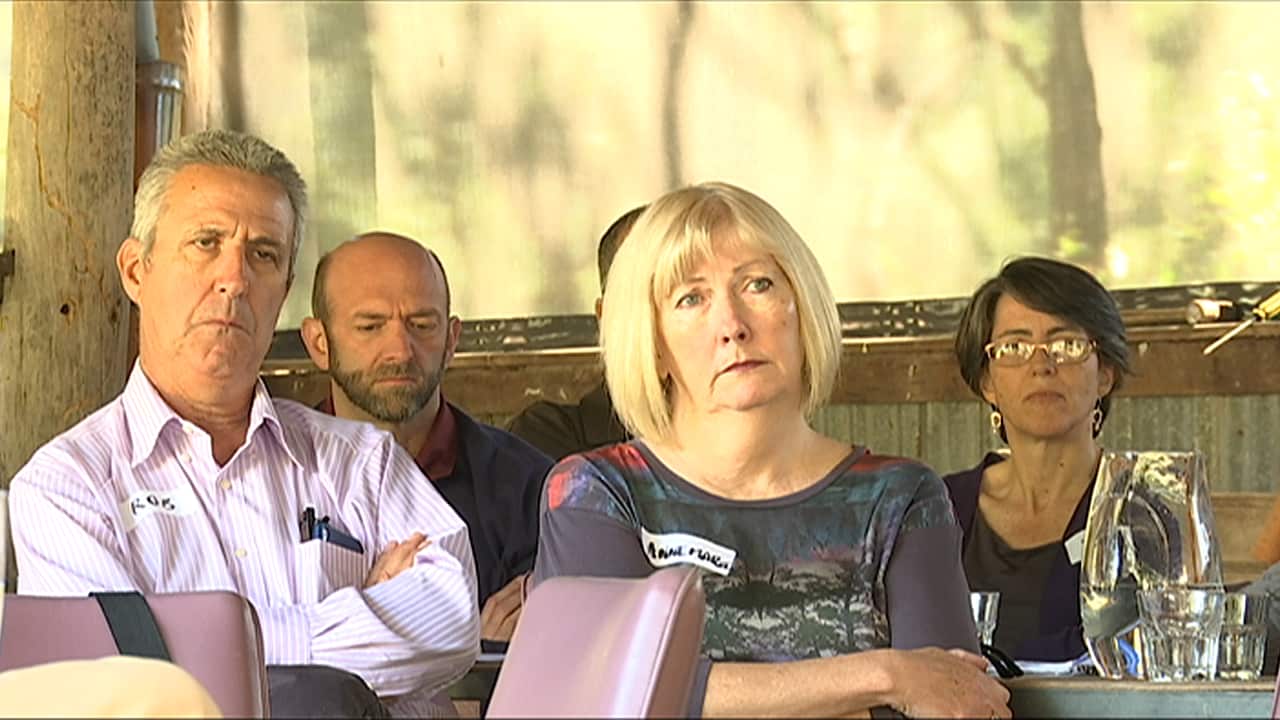
"Coal mining is more than just a job, it's really a part of our culture, something people have sacrificed their health in many cases, and have taken extronidnary risks to provide for their families," she said.
Once a significant employer, the coal industry in the Appalachian region now supports only a few jobs.
The community is in the midst of transitioning away from coal.
Ms Abbott works with the social-justice organisation Kentuckians For The Commonwealth, which is playing a key role in the transformation.
She heads the Empower Kentucky Project, which is working to reshape the region's economy.
"That includes supporting local agriculture, supporting arts and tourism in the region," she said.
"We believe there's a lot of opportunity in energy efficiency and helping to retro-fit homes to use less energy, which in turn keeps more money in the local community and creates jobs."
In Appalachia much of the coal has already been mined, but that's not the case in the Hunter.
New data shows the global demand for New South Wales coal is continuing at near record levels.
In 2016, exports increased by 1.5 million tonnes.
The industry accounts for around 13,000 jobs in the Hunter.
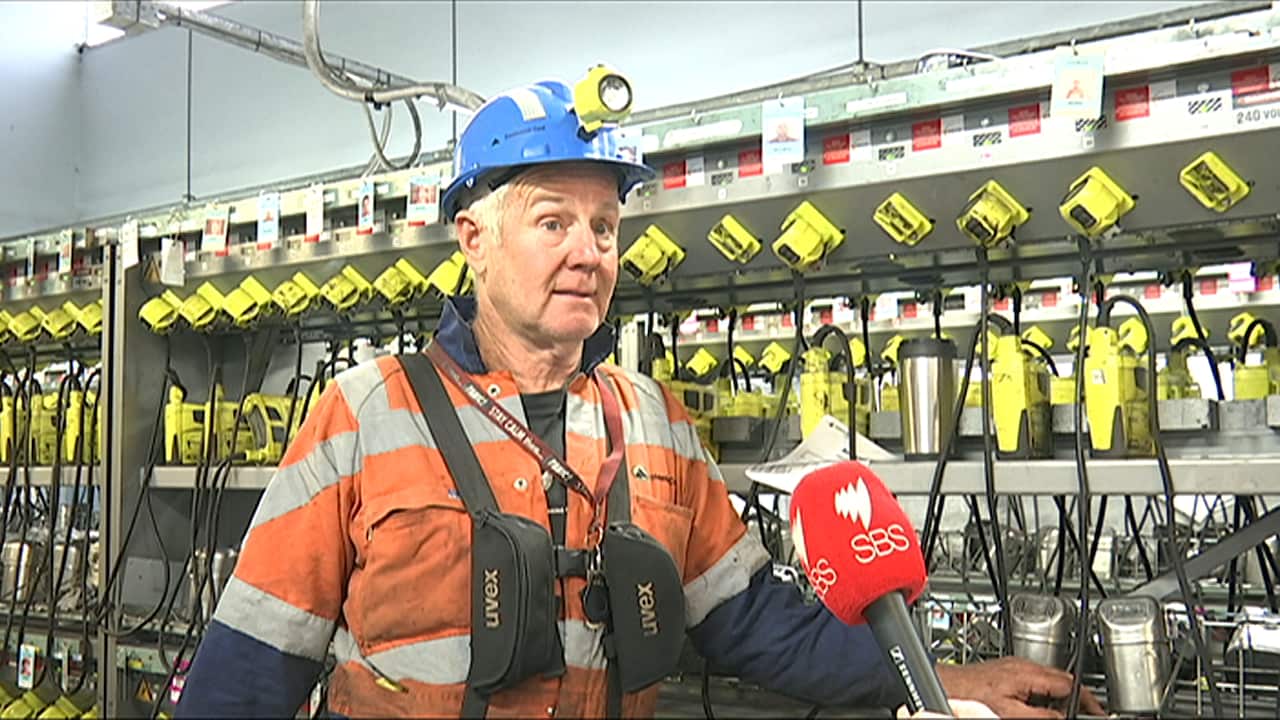
But local miner Kerry Moir, who's worked in the industry for over 35 years, says it's reach is far greater.
"A lot of people here supply to other coal mines, repair here for the coal mines, do maintenance for the coal mines, so if the coal mines go down, in the short-term I think a lot of people will be out of work in Newcastle," he told SBS World News.
Federal Member for the Hunter, Joel Fitzgibbon, says coal mining remains crucial to the economy but a transitional fuel is needed to eventually move away from coal.
Gas, he believes, is the logical alternative.
"Our future is in renewables but the transition to renewables, given the technology constraints, will be a long one and we need a transitional fuel and obviously that's gas," he said.
"The Hunter is so well placed to provide that gas generation. We have the land, the buffer zones of the existing coal-fired generators, with the high voltage transmission lines there, we have the skilled workforce."
But Steve Phillips, Lock the Gate Hunter coordinator, disagrees.
"The agricultural industries that have always been here can grow back. Innovative industries and engineering and social services already exist in the Hunter. We are a leader in these things. These can transition us away from coal if they're allowed to grow," he told SBS World News.
"Switching from one unsustainable, unreliable fossil fuel to another is not what our region wants. We want sustainable industries."
What the region does want is employment and Ms Abbott believes if the region were to commit to any kind of transition, that needs to be the focus.
"Regardless of your views on the coal industry, all of us need to be thinking about what's a just transition for these workers and communities," she said.







