
Watch live: The inquest into the deaths arising from the Lindt Café siege
The psychiatrist of Sydney cafe siege gunman Man Haron Monis will be among those called to give evidence as an inquest pieces together how the terrible tragedy could occur.
How Monis progressed from Iranian student of Islam to a shotgun-wielding extremist is the focus of the first stage of the coronial inquest which began in Sydney on Monday.
Counsel assisting, Jeremy Gormly SC, told the court a psychologist and psychiatrist who treated Monis for mental health complaints as recently as 2011 would be among more than 100 witnesses who will give evidence at the inquest.
But while Monis "unquestionably" had some mental health issues they appeared to be modest, Mr Gormly said.
"Mental illness may not provide a full answer to the questions about his motivations for the siege," he said.
Coroner Michael Barnes said the first stage of the inquest, covering two weeks, will look deeply into Monis's background to identify how he was diverted "down such a dangerous pathway".
"Was Monis a so-called lone wolf prosecuting an Isis-inspired terrorist act or was he a deranged individual pursuing some personal, private grievance in a public manner?" Mr Barnes said.
Monis's partner Amirah Droudis had initially wanted to give evidence at the inquest but had since withdrawn, the court heard.
Droudis was in November 2013 charged with the murder of Monis's former de-facto partner and mother-of-two Noleen Hayson Pal.
Counsel assisting, Jeremy Gormly SC, said people who knew Monis professionally and personally - including his few friends, lawyers who represented him in court and the mental health professionals who examined him - will be among the 100-plus witnesses.
The inquest will also probe the NSW courts' 2013 and 2014 decisions to grant Monis bail while experts will testify about terrorism and radicalisation.
At the time of the siege, Monis was facing charges on several fronts, including being an accessory before and after the fact to Ms Pal's murder and numerous sex offences in relation to six women.
Mr Gormly said the nature of this inquest and questions of national security meant it was possible that parts of Mr Barnes' findings would not be made public.
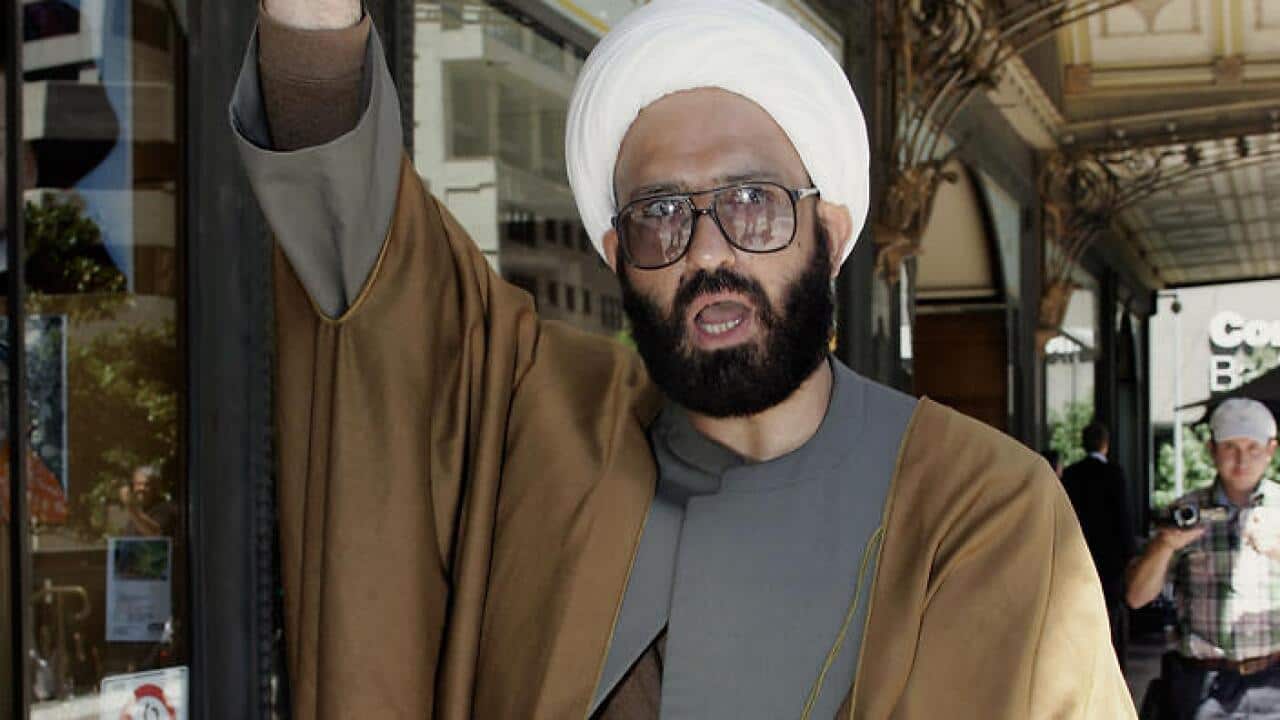
Security is extremely high at the inquest, one of the most high profile to be held within the NSW courts system.
Authorities are dealing with the extra sensitivities to protect the families of victims Tori Johnson and Katrina Dawson as well as hostages who will be called to give evidence about the events of December 15 and 16, 2014.
Mr Barnes said the public airing of details of the siege could be painful but the investigation was critical.
"Speed is of the essence," he said.
"It would be unforgivable if we delayed and another incident were to occur before we had learned the lessons of the last.
"This is not a normal investigation. It is grappling with questions of national significance."
Mr Gormly said evidence of how Monis was monitored by national security agencies would be heard but, in order to protect public safety, that evidence may be heard in a closed court and some findings would not be made public.
Extensive evidence has been gathered about Monis, dating back to his Iranian high school report and grainy video footage of his graduating as a minor Islamic cleric.
Experts from the UK are among those consulted by investigators, the court has heard.
The court also heard Monis's partner, Amirah Droudis, was granted leave to give evidence but had since withdrawn.
Share


