
This audio is voiced by AI and may occasionally mispronounce words.
Share your feedback and help us improve this feature. Read more about how we use AI at SBS here.
Long before lanterns and fire horse decorations were being hung on Australian streets, Coco Zhang was planning her first Lunar New Year pilgrimage.
The 22-year-old Chinese student moved to Melbourne last year to study and, after six months of being away from her family, decided to buy a ticket home to Shanghai for the cultural festival, which starts today.
"Seeing my parents again, just being with my family, having family food and [being in] the loving atmosphere, I think it's the biggest [takeaway for the trip]," she tells SBS News.
Zhang is among the millions of people from Asian diasporic communities around the world to make the annual pilgrimage, marking the start of the lunar calendar.
Despite the pricey airfares and long journeys, many say it's an opportunity to connect with family and cultural roots.
News that makes sense
Your trusted source for staying up-to-date with the world around you. Get free daily news updates and analysis, straight to your inbox.
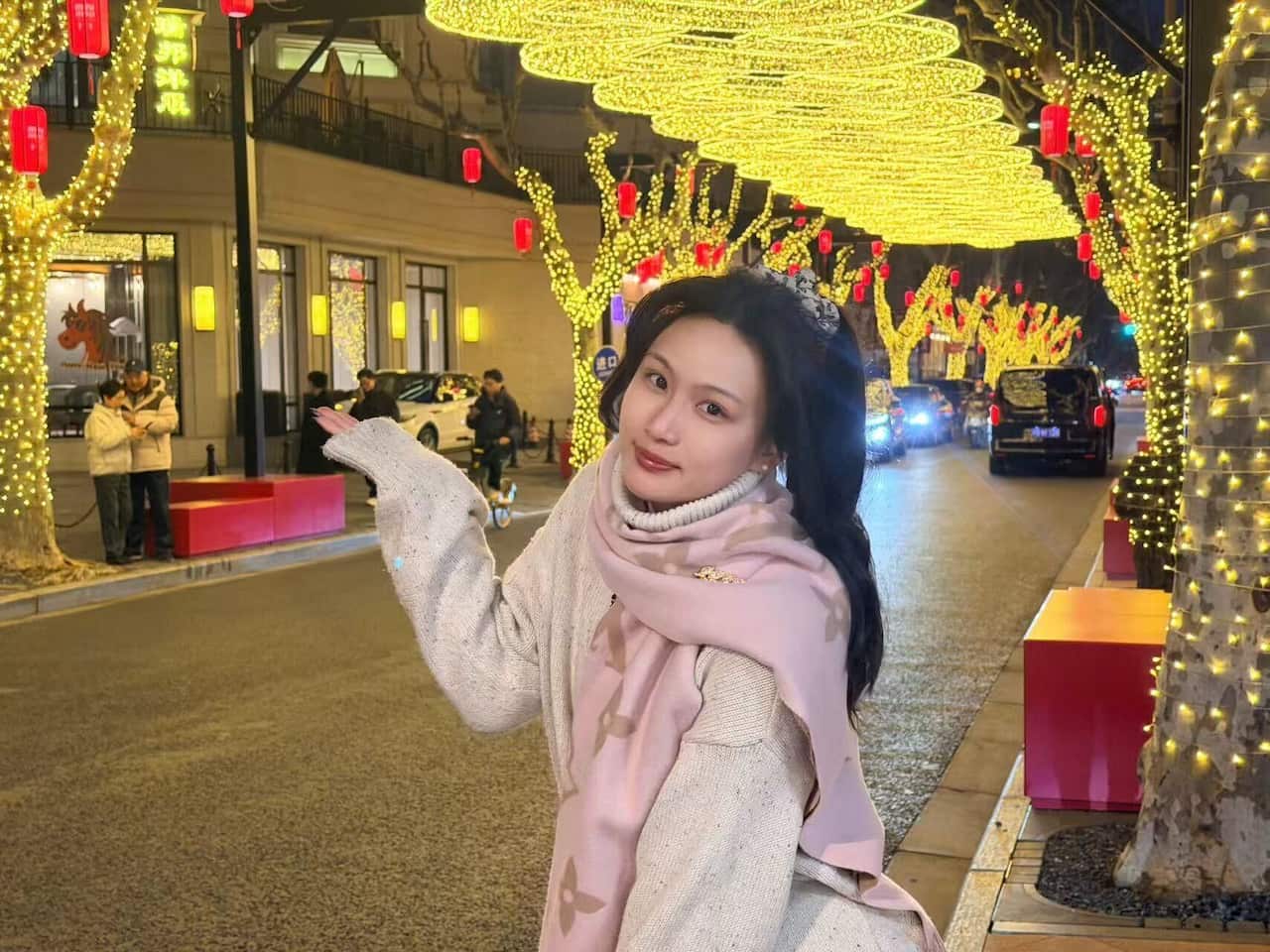
SBS News has spoken with four people from the Asian diaspora in Australia who've travelled to their cultural homeland as part of this year's festivities. From tasting traditional food to feeling a sense of belonging, they say the Lunar New Year pilgrimage is about more than just visiting family and friends.
Bringing a taste of Australia to Asia
Before heading home, Zhang knew she wanted to find a special gift for her mother and friends — one that would be "a symbol of Australian souvenir".
When she wandered into a Melbourne shopping mall and spotted a stall selling the renowned (and cheeky) Australian Firefighters Calendar, she knew she needed to take a few of them back to China.
"Two of them I have given to my friends, and one of them I have given to my mum," Zhang says.
The calendar was first launched in 1993 to raise money for burn research at the Children's Hospital Foundation and has since raised millions for other charities.
"My mum says it was fantastic. She never saw something like that before."
Zhang has also packed Australian-brand biscuits and chocolates, which are popular gift options for many Asian Australians travelling to Asia during the Lunar New Year.
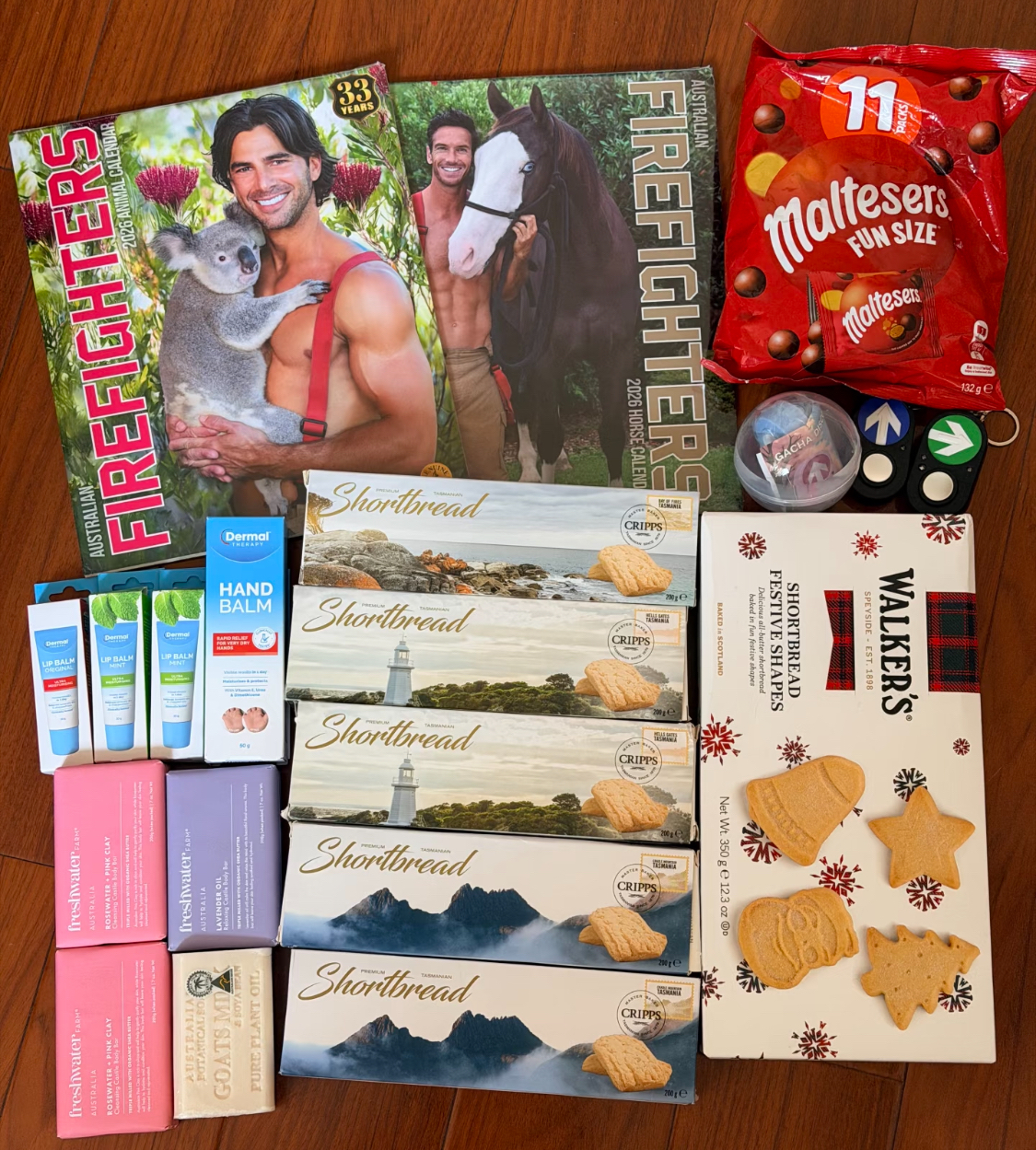
Queenslander Jeong Hoon Bae tells SBS News he went back to South Korea this year with bags of snacks and soft kangaroo toys for his niece and nephew.
"Australia has a lot of good snacks and chocolates, chips and walnuts. We brought some of the samples, and they all loved it, and they wondered why they hadn't been imported [to South Korea]," he says.
Trying 'authentic' Asian food
Bae, who's lived in Australia for over two decades, says he first planned to return to South Korea early this year to attend a friend's wedding. But when he noticed the date was close to the Lunar New Year, he decided to stay longer.
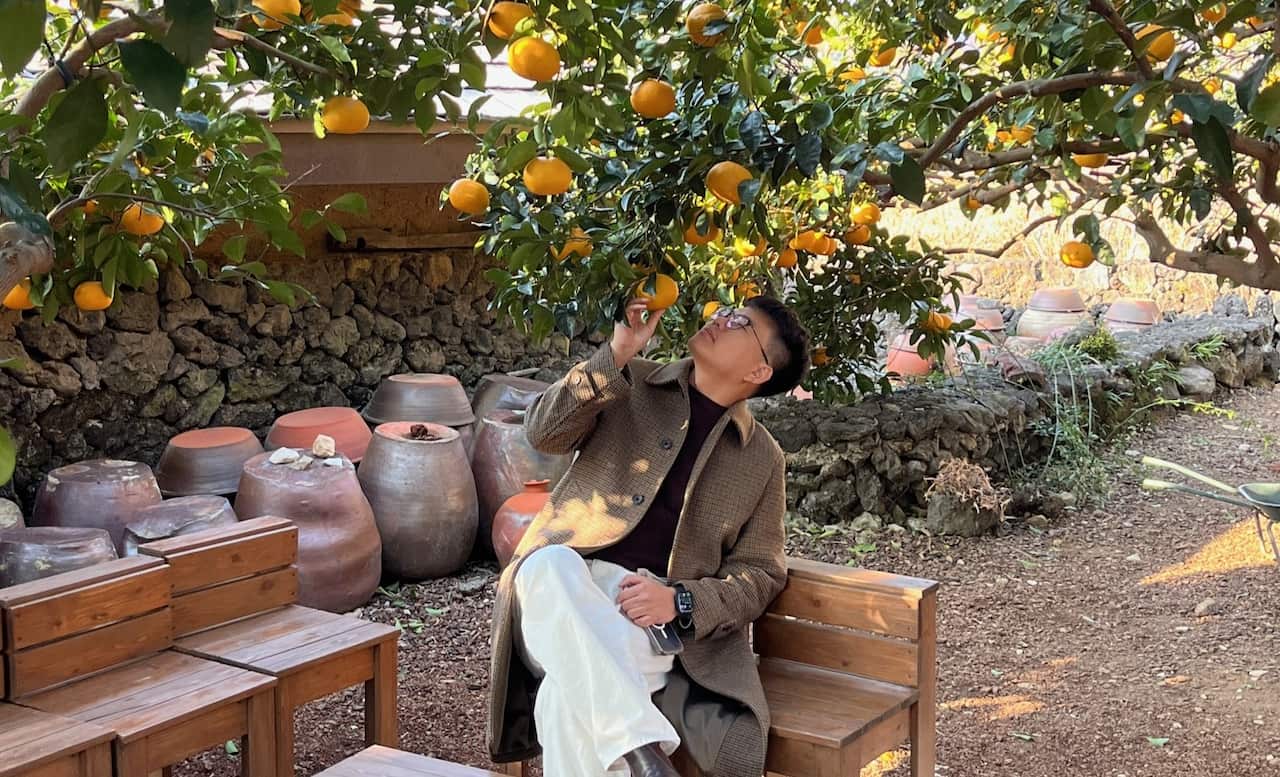
"I thought it might be a perfect opportunity where I just meet up with my family members and spend some time together, because obviously Lunar New Year means a lot in Korean culture as well," he says.
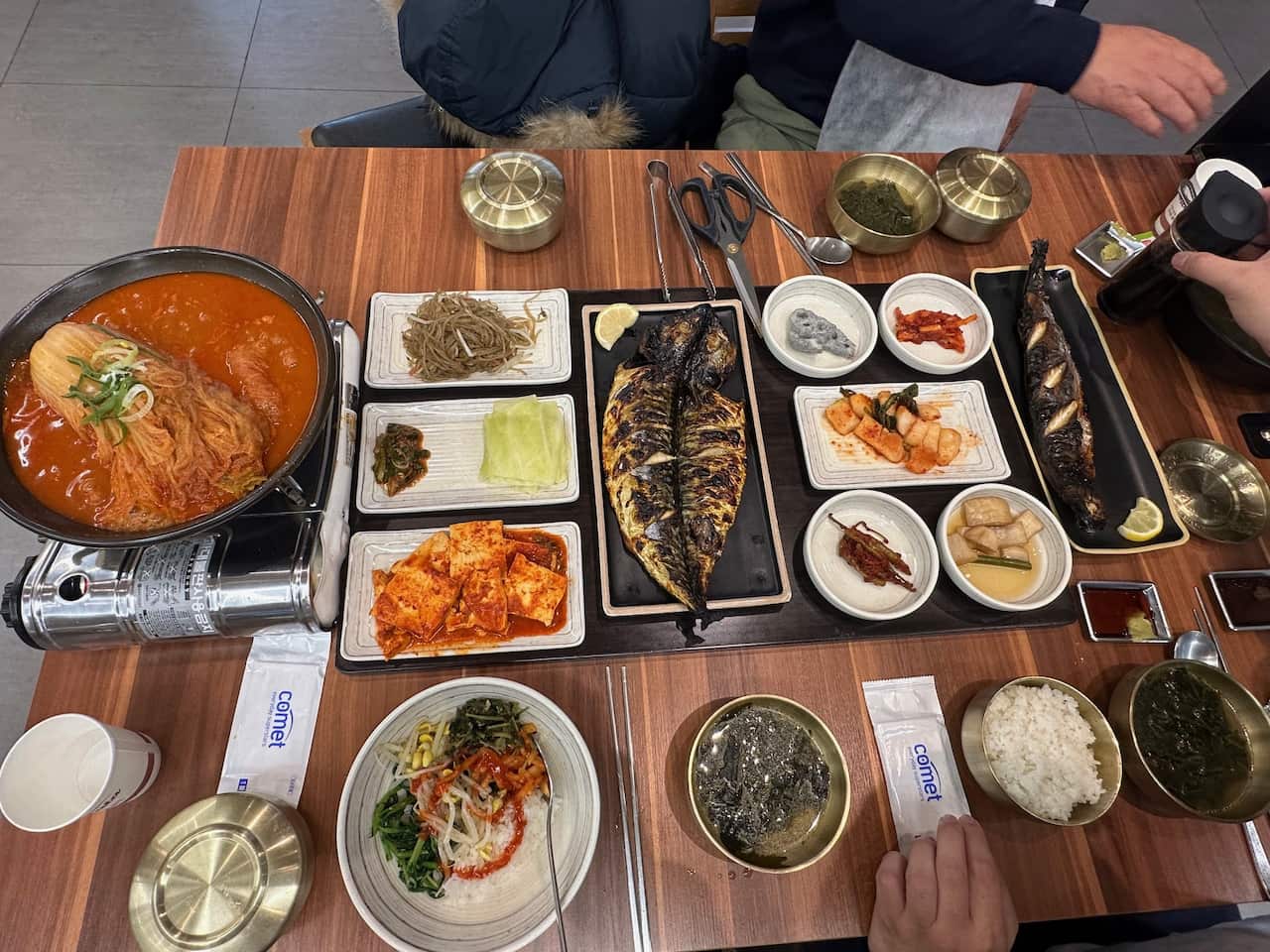
Since arriving, he has spent his time trying out authentic Korean dishes and seafood, sold by street vendors and local markets, and eating at Korean BBQ restaurants, which have become popular in Australia.
"[Korean BBQ is] big in Australia as well, but I guess in Korea it has a bit more authenticity."
Barry Han, a 27-year-old Chinese student who has been studying in Melbourne for five years, also tells SBS News that he returned to China with a list of food he wanted to try.
He explains that while Melbourne offers a wide range of Chinese food, there are seldom options from his hometown, Kaifeng, in the central province of Henan.
"In the city of Kaifeng, there's a famous dish of soup dumplings, and animal blood products, like chicken blood soup and other things. And also donkey soup," Han says.
"I really like them, but I don't know if they are selling them in Australia.
I want to taste everything I miss for such a long time.
Similarly, Zhang, who has only lived in Australia for several months, has a list of restaurants she wants to visit for sentimental reasons — places she used to hang out with family and friends before leaving for Australia.
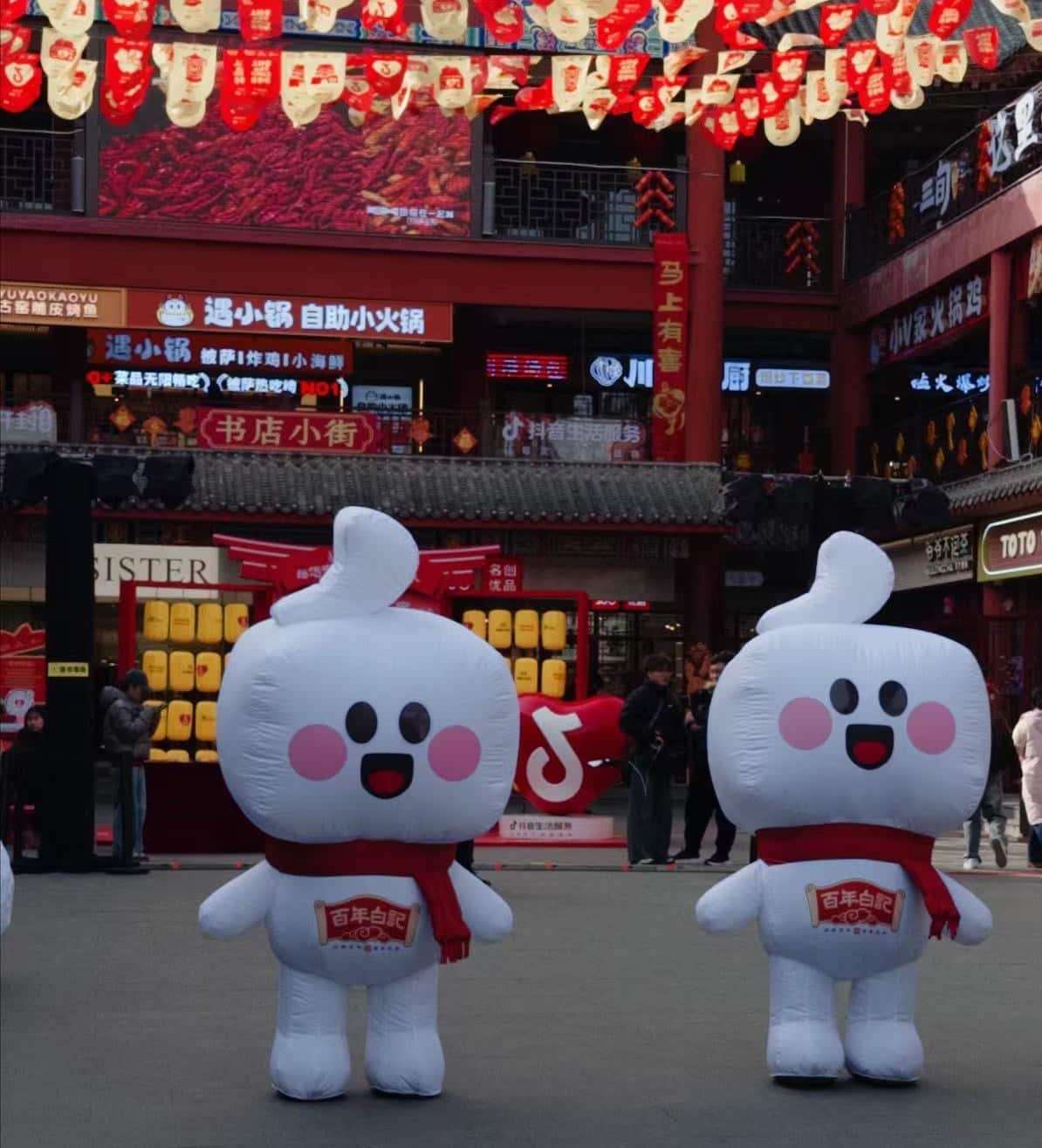
But, she's also been craving hot pot, "because traditional hot pot is hard to find in Melbourne".
Forging new memories
The 10-day festival is often marked by key ceremonial events and customs that vary across cultures.
Having returned to South Korea, Bae says he will celebrate the Lunar New Year by joining family gatherings and performing traditional customs such as sebae — a deep traditional bow to senior family members — during festival greetings.
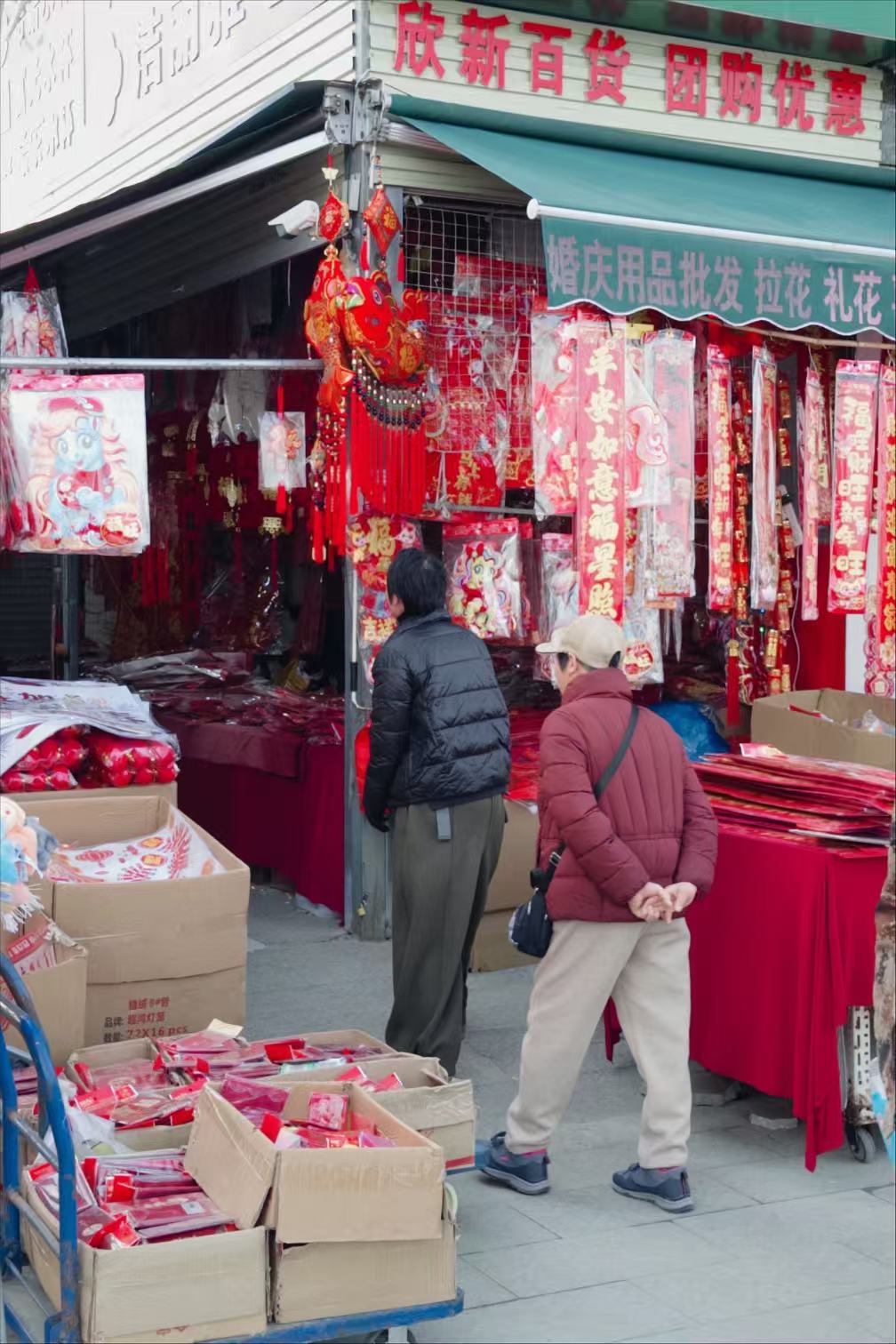
Han, who describes his hometown as "a very traditional, cultural zone of China", expects to follow a rigid ceremonial schedule for the duration of Lunar New Year — in contrast to his previous celebrations in Melbourne, which have been more low-key.
"In Australia, [I have] no family there, so I celebrate the Lunar New Year with friends," Han says, adding that he and his friends would gather during the period.
"It's kind of like a carnival thing. We don't need to care so much."
But this year, as part of his pilgrimage to China, Han has also embarked on a family adventure. One week before the Lunar New Year, he headed to the south-west province of Yunnan — 1,400km away from his hometown — to visit his brother, who is undertaking professional cycling training there.
"He can't join us back to Kaifeng to celebrate Lunar New Year, so we decided to visit him for a week," Han says.

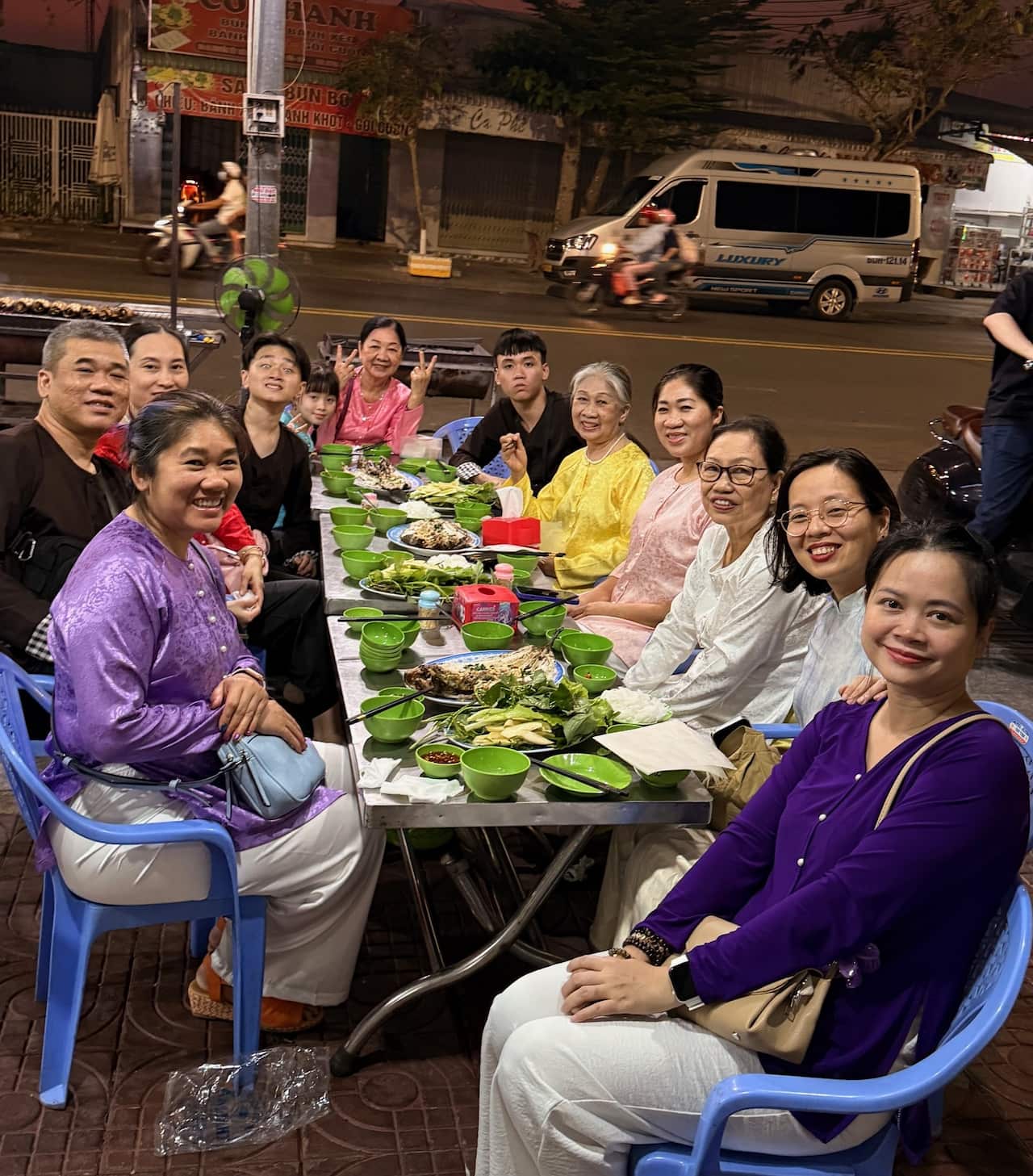
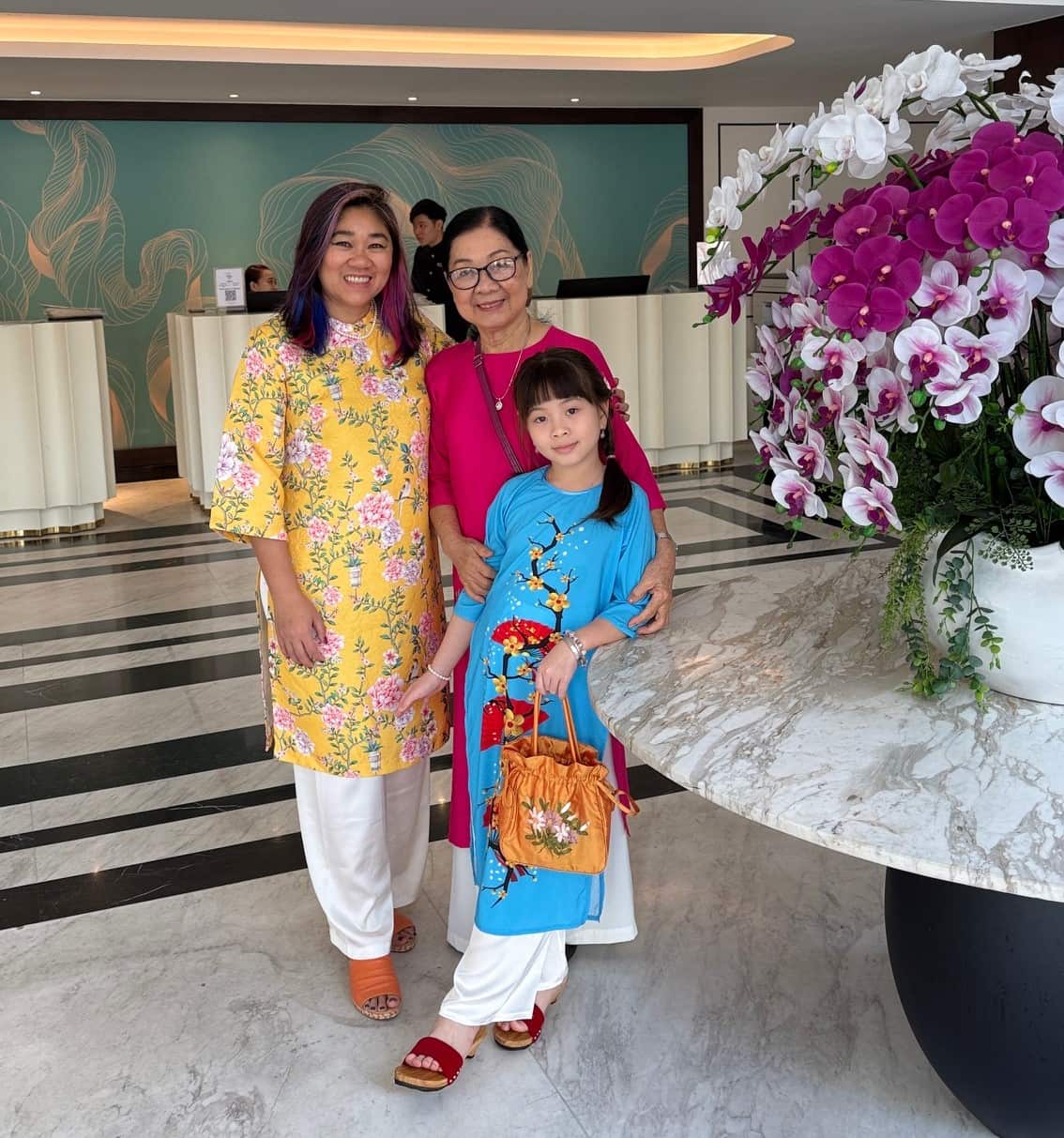
Thu Nguyen, a 44-year-old Vietnamese Australian from Melbourne, is also marking this Lunar New Year by travelling around Vietnam with her family, but for special reasons.
A few weeks ago, Nguyen travelled with her 80-year-old mother to the Mekong Delta region, where her family and ancestors are from.
It's the first time she's visited her great-grandparents' graves.
While there, Nguyen says she tried to find her mother's old house, but suspects it may've been among those burnt during the Vietnam War in the 1970s.
Later, at a local market, an elderly lady stopped her and her mother. It turned out she had been a neighbour of Nguyen's mother.
"We hugged each other and cried," Nguyen says.
It's a very emotional journey for our family.
Nguyen also attended Australia Day celebrations last month in Ho Chi Minh City.
"I just recently became an Australian citizen on the 26th of January, so for me returning to Vietnam feels like a full circle moment to honour where I come from," she says.
Experiencing culture shock
While Lunar New Year celebrations can share similarities across countries, some aspects may be unfamiliar — especially for those who've spent a lot of time in Australia.
In many places, the festival is observed as a national holiday. Shops in Vietnam are often closed during the Lunar New Year, which Nguyen says was an adjustment at first.
She also feels that the pace in Vietnam is "faster and louder" compared to Australia. When she catches up with friends, she may not immediately understand the latest Vietnamese celebrity and entertainment gossip, which can make her feel "a little out of place".
Regardless, she says the moment her plane landed in Ho Chi Minh City, she felt "at home immediately".
"I got out of the airport, went to the shop, the little shop with the cooked fresh coconut juice, and got the whole bunch of coconut and drank it, and I just sat there, looking at the people passing by, waiting for my brother to pick me up," she says.
Nguyen also reflects on the sense of dissonance she experiences when travelling between Australia and Asia: "I see that as [part] of having life across two cultures, you don't lose one, you learn how to move between [them]."
For international students like Han and Zhang, trips back to Asia during the Lunar New Year can help rekindle relationships and memories from home that may have become blurred through distance and loneliness.
"Maybe because I came from a small town, I feel like going back to China, back to my hometown, people's relationships are close," Han says.
Bae says returning to Asia from Australia for the festive season allows him to take a break and gain perspective.
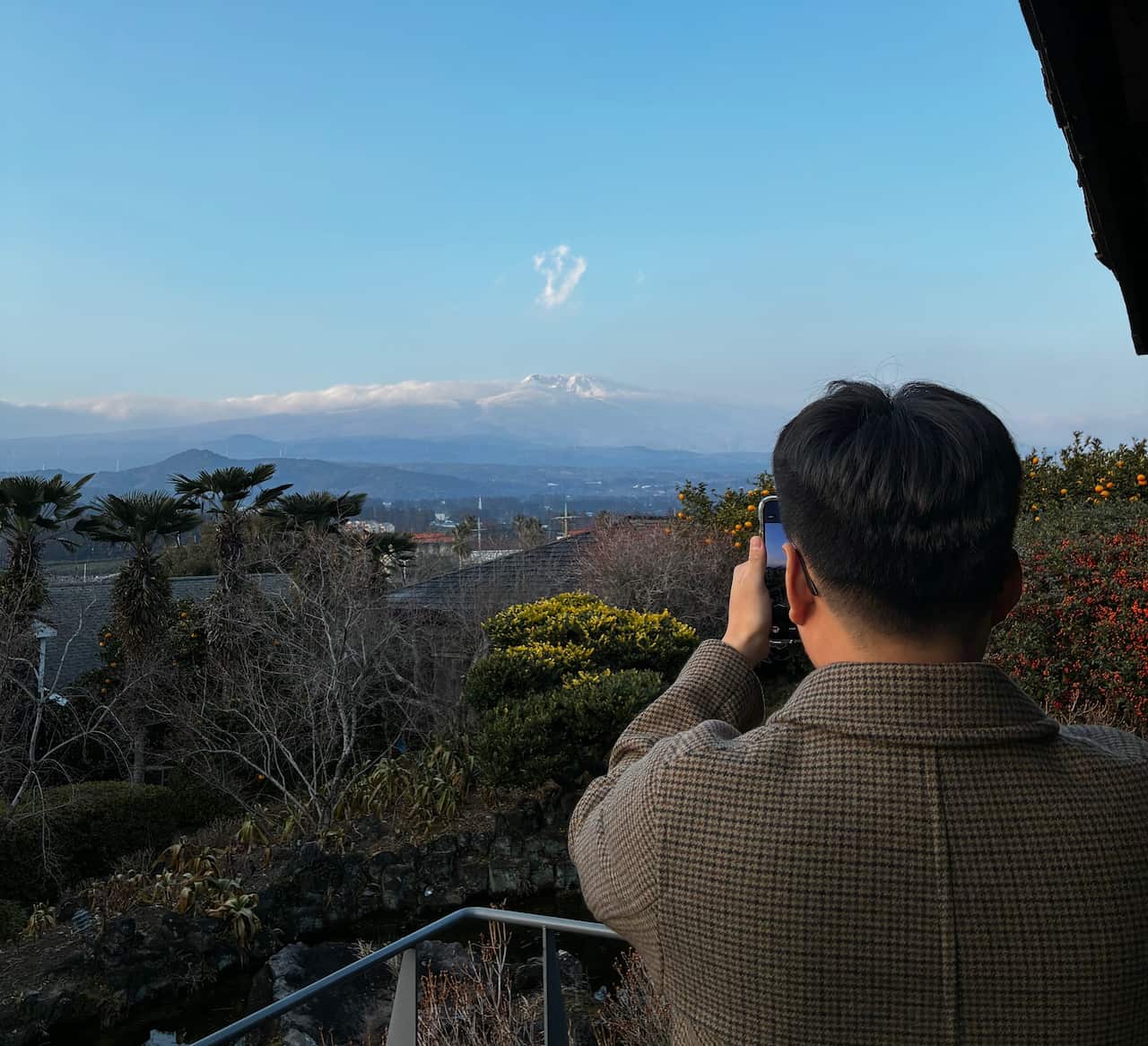
"I think the biggest takeaway for me is that I get to experience Korea, as an outsider, but also as a Korean person as well," Bae says.
"And when you live overseas, like Australia, you get busy with work and responsibilities, it's not easy to see your families from Australia to Korea," he says.
"We sometimes forget how valuable the moments spent with your families really are."
This story was produced in collaboration with SBS Korean and SBS Vietnamese.
For the latest from SBS News, download our app and subscribe to our newsletter.







