
Madhu Regmi counts her siblings in the thousands.
"I don't know what it's like [in a] single family or nuclear family," she said.
Madhu and Yuvraj Pokhrel were raised in an orphanage in Kathmandu among the survivors of human trafficking, and are now learning how to topple the trade that has harmed many of their friends.

"It is a very big issue in Nepal, and not just trafficking overseas now. With the post-COVID era, trafficking within a country, domestic trafficking has also been a very severe problem," Madhu said.
News that makes sense
Your trusted source for staying up-to-date with the world around you. Get free daily news updates and analysis, straight to your inbox.
The pair are currently in Darwin, studying at Charles Darwin University on scholarships and gathering skills they'll use to fight human trafficking.
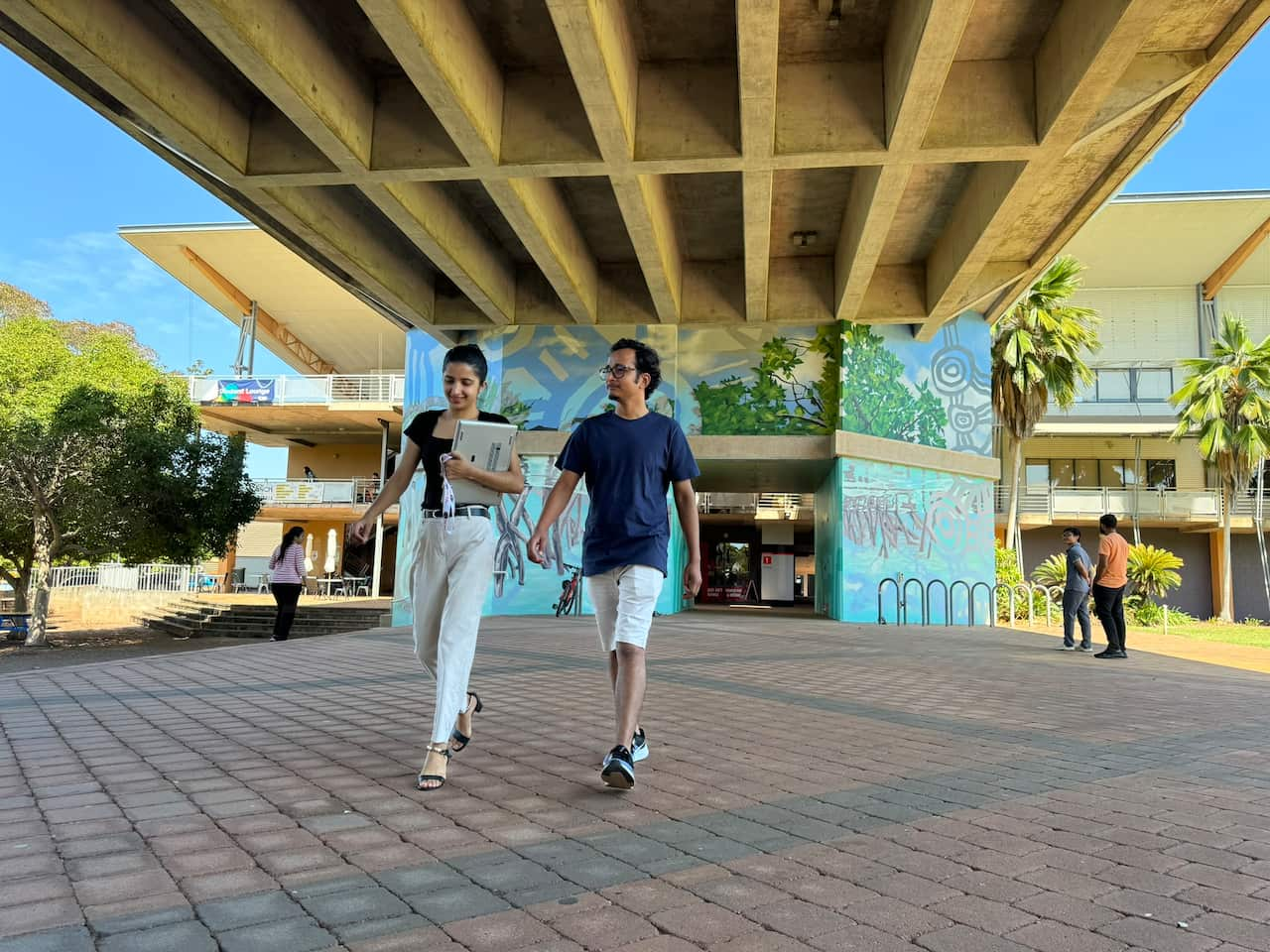
Yuvraj, 28, was orphaned when armed insurgents killed his father during the civil war.
"I still recall that moment, that has been on my mind as a scar that never goes away," he said.
He sees himself as "fortunate". Being taken to the Maiti Nepal orphanage by relatives meant he escaped a thriving trade in humans that affected so many of his friends.
"I have closely witnessed those kinds of situations with my eyes, I experienced the stories … how they were treated in the brothels, how they were treated in the workplace when they got trafficked," he said.
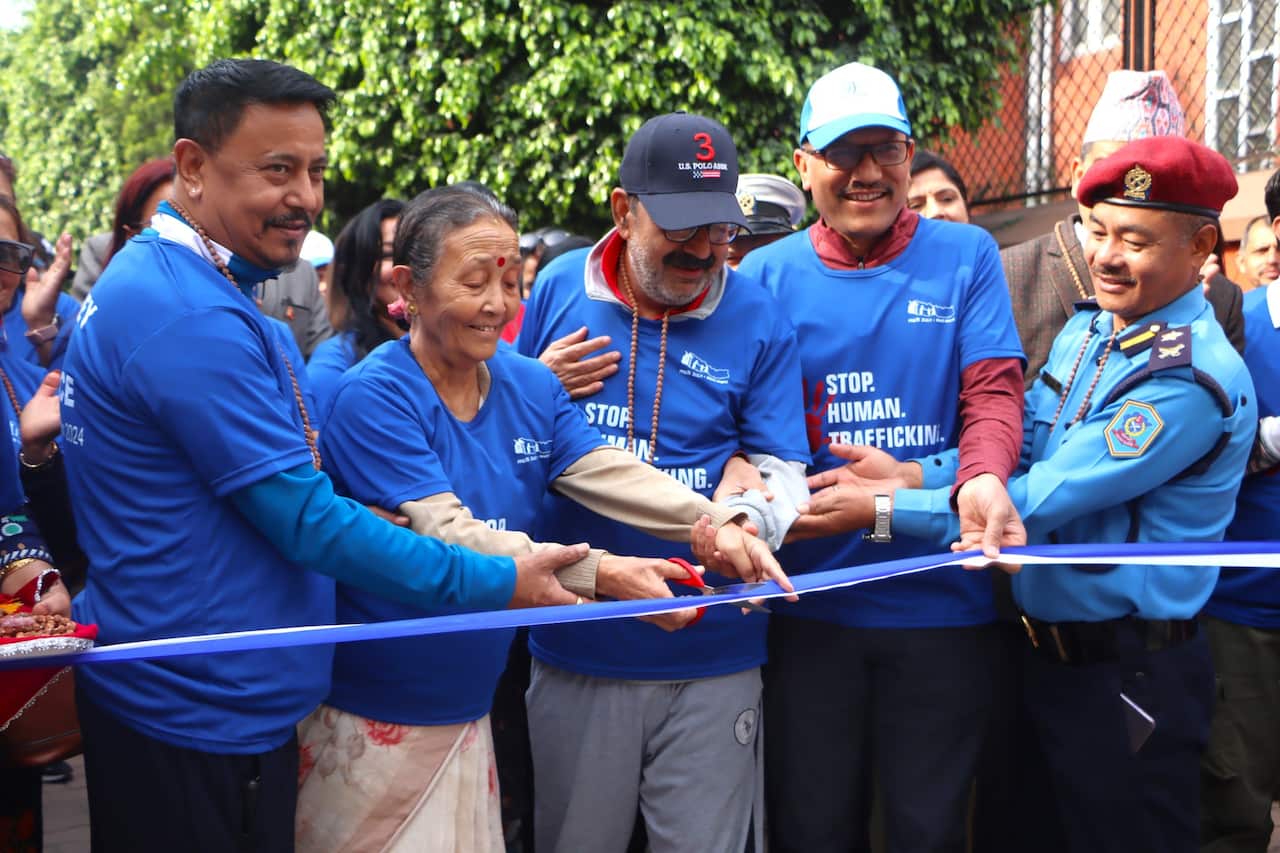
Galvanised by the stories, Madhu and Yuvraj returned to Maiti Nepal as adults, working and studying with the organisation to end slavery throughout the region.
"Human trafficking is one of the ... largest [illegal] businesses in the world," Yuvraj said.
"Humans are not for sale."
He says the trade in humans is second only to drugs and weapons.

Maiti Nepal founder Anuradha Koirala says a child arrives at the facility every day.
"They say poverty is the cause of trafficking. I say no … It is not poverty, it is due to education," Koirala says.
"If in Nepal there was free education, compulsory education … then we could not have had this issue."
She blames poor access to education and jobs, continuing gender disparities in Nepal and the complications of an open border with India, needed to access shipping routes.
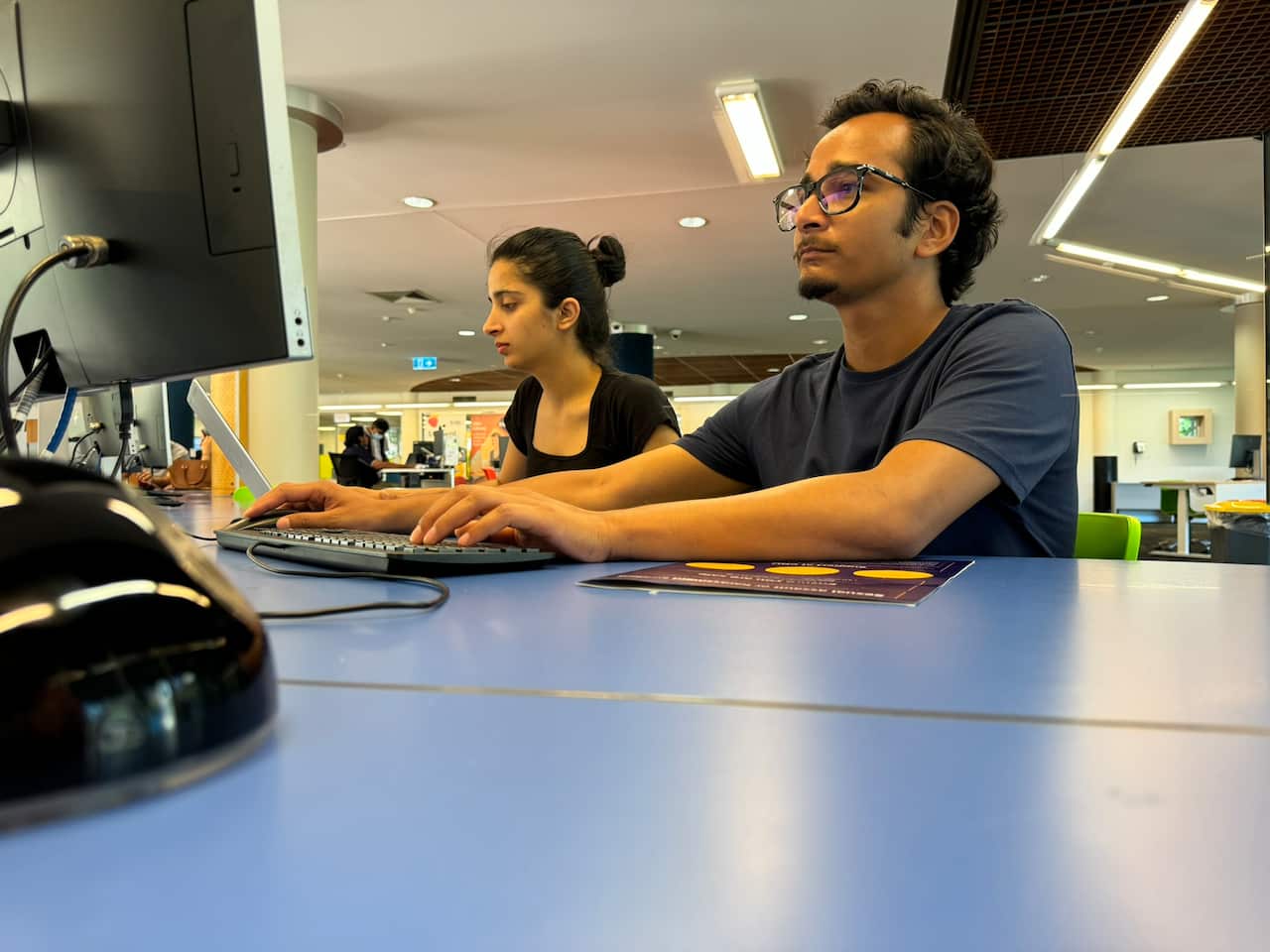
Over 30 years, Maiti Nepal has helped tens of thousands of children and women.
"As soon as they come we start finding out the criminals who trafficked them."
With two staff lawyers, they have convicted more than 2,000 traffickers, but it is an uphill battle, with slavery benefiting the bottom line of big business.
A 2024 report estimated the profits for modern slavery at $236 billion, an increase of 35 per cent in 10 years.
"The numbers [of victims] globally are horrifying," director of Anti-Slavery Australia Jennifer Burn says.
"We know there are children exploited in our global supply chains, in mines extracting minerals used in our phone, working in the food industry and clothing industry, and so on around the world."
The Global Estimates of Modern Slavery report suggests 50 million people were affected in 2021.
Australia is not immune.
"There are more reports of forced marriage made to the Australian Federal Police every single year… and we know that most of those affected are children, Burn says.







