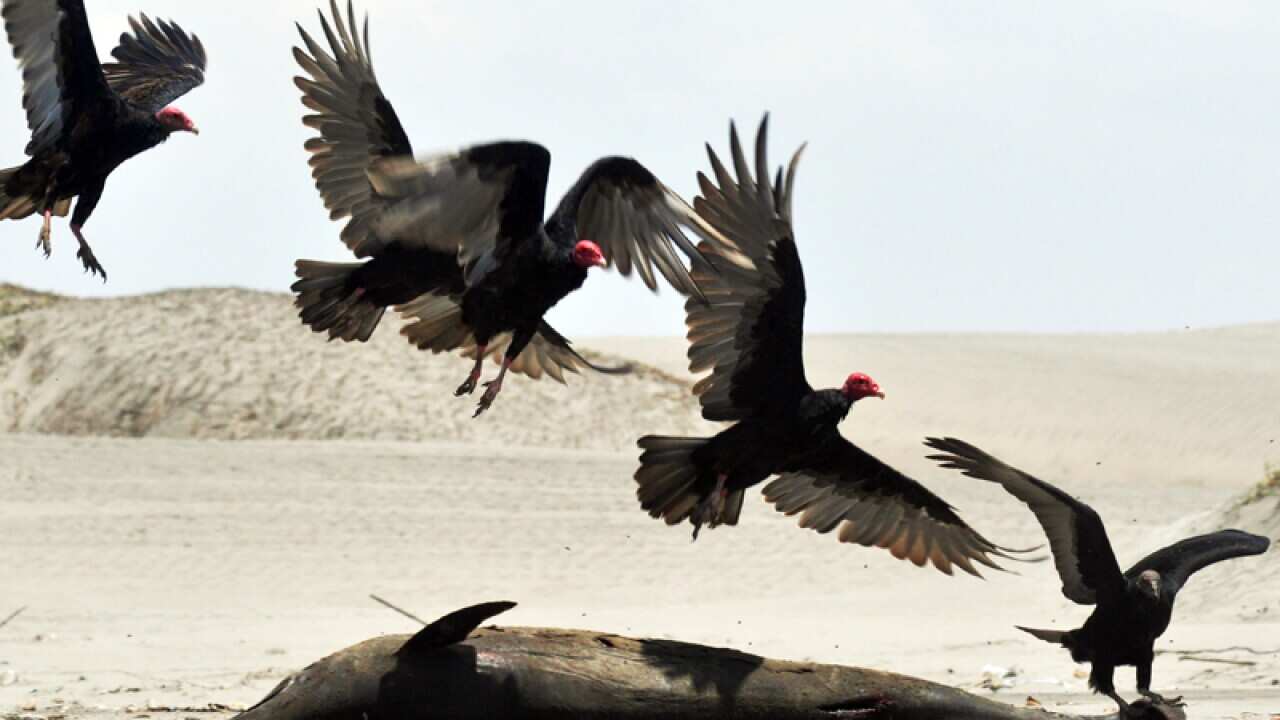
A dolphin virus that is similar to measles in humans is suspected of causing the deaths of hundreds of Atlantic bottlenose dolphins since July, US officials say.
Morbillivirus affects the lungs and the brain, causing pneumonia and abnormal behaviour, and is often fatal, experts at the National Oceanic and Atmospheric Administration (NOAA) said.
"Many dolphins have presented with lesions on their skin, mouth, joints, or lungs," NOAA said in a statement.
Nine times the average number of dolphins have washed up along the shores of the East Coast this summer, in what NOAA described as an "unusual mortality event," or UME.
"The tentative cause of the UME is being attributed to cetacean morbillivirus, based upon preliminary diagnostic testing and discussion with disease experts," said NOAA.
News that makes sense
Your trusted source for staying up-to-date with the world around you. Get free daily news updates and analysis, straight to your inbox.
"To date 100 per cent (27 of 27) of dolphins tested are suspect(ed) or confirmed positive for morbillivirus."
Viruses in the same family can cause measles in humans, canine distemper in dogs and wolves and rinderpest in cattle, NOAA says.
The virus typically spread "through inhalation of respiratory particles or direct contact between animals, including mothers and calves," NOAA said.
Other mass die-offs linked to morbillivirus have afflicted bottlenose dolphins in the northeastern United States in 1987-89 and the Gulf of Mexico in 1992 and 1994.
A total of 488 bottlenose dolphins had been stranded so far this year along the coast from New York to North Carolina, compared to 167 last year, NOAA said.







