
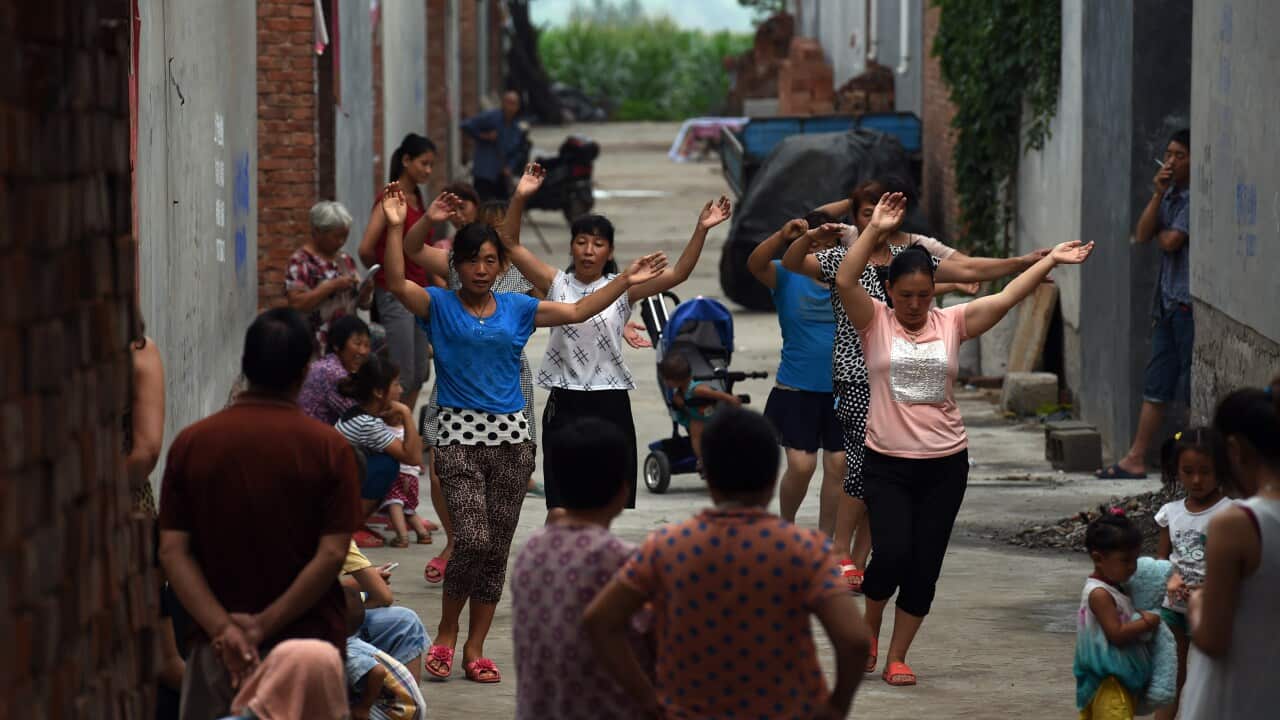
In suburban parks across China it's young against old as a new dance craze takes hold.
China's "active retirees" are estimated to number 100 million and they've taken to exercising to music in local parks, from dawn until dusk.
Known as the "Dancing Grannies of China" these retirees were once considered the most vulnerable people in society. Now they spend their days dancing and living comfortably on generous pension plans.
"Life used to be hard, we had to be careful with every penny. But now we don't have to. We live the way that makes us feel happy," said one.
But not everyone is sharing the love. Residents living in apartment blocks close to the parks have had enough of the loud music and are expressing their anger at having the parks taken over by hordes of elderly dancers.
"They start dancing really early in the morning - and it's just too many people," one resident said.
"Every day when I'm going past by the park, I have to run," another said.
Some residents have even decided to fight back.
In Chengdu apartment dwellers pelted water balloons at the Dancing Grannies in the public square below. But the pensioners were not deterred - they simply put umbrellas over the speakers.
Others retaliated with a high-pitched alarm to drown out the music.
Some residents have gone a step further, tipping a bucket-load of human waste on the dancers.
In a rapidly aging society, the clashing interests of young and old are set to increase, says Apiwat Ratanawaraha of the Yenching Institute at Harvard University.
"People with different interests, different ideas, they're basically going to compete for space," Ratanawaraha said.
The craze has travelled overseas to Paris, New York and Moscow.





