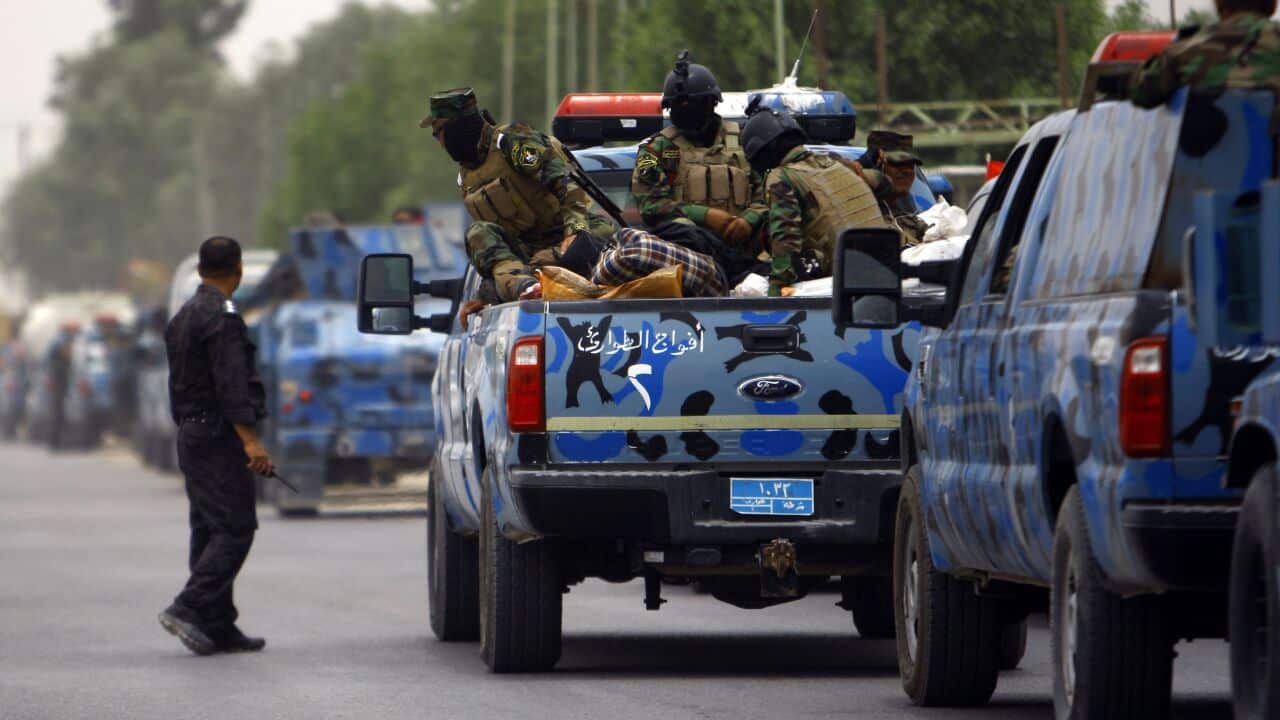
Predominantly Sunni Muslim Mosul, 350 kilometres (220 miles) north of Baghdad, has long been a militant stronghold and one of the most dangerous areas in the country.
Capital of Nineveh province, it is the second city after Fallujah, west of the capital, that the government has lost this year.
"The city of Mosul is outside the control of the state and at the mercy of the militants," an interior ministry official told AFP, saying soldiers had fled after removing their uniforms.
News that makes sense
Your trusted source for staying up-to-date with the world around you. Get free daily news updates and analysis, straight to your inbox.
Adding that the gunmen were Sunni, he said they announced over loudspeakers that they had "come to liberate Mosul and would fight only those who attack them."
A brigadier general in the military command responsible for Nineveh told AFP clashes with hundreds of militants from the jihadist Islamic State of Iraq and the Levant (ISIL) began late Monday.
He said military units withdrew from the city's east to its west, and then began leaving the city, with the militants now in control.
The militants seized the headquarters of the provincial government and the Nineveh Operations Command as well as the airport, and freed hundreds of prisoners from three jails, according to the officer.
An AFP journalist, himself fleeing the city with his family, said shops were closed, security forces had abandoned vehicles and a police station had been set ablaze.
Militants have launched major operations in Nineveh, Anbar, Diyala, Salaheddin and Baghdad provinces since Thursday, killing scores of people and highlighting both their long reach and the weakness of Iraq's security forces.
In early January, the government lost control of Fallujah, just a short drive from Baghdad.
Violence is running at its highest levels since 2006-2007, when tens of thousands were killed in sectarian conflict between Iraq's Shiite majority and Sunni Arab minority.
More than 900 people were killed last month, according to figures separately compiled by the United Nations and the government.
So far this year, more than 4,600 people have been killed, according to AFP figures.
Officials blame external factors for the rising bloodshed, particularly the civil war in neighbouring Syria.
But analysts say widespread Sunni Arab anger with the Shiite-led government has also been a major factor.







