IN BRIEF:
- Pancreatic cancer is common but symptoms can be easily missed.
- Researchers say more funding is needed for better patient outcomes.
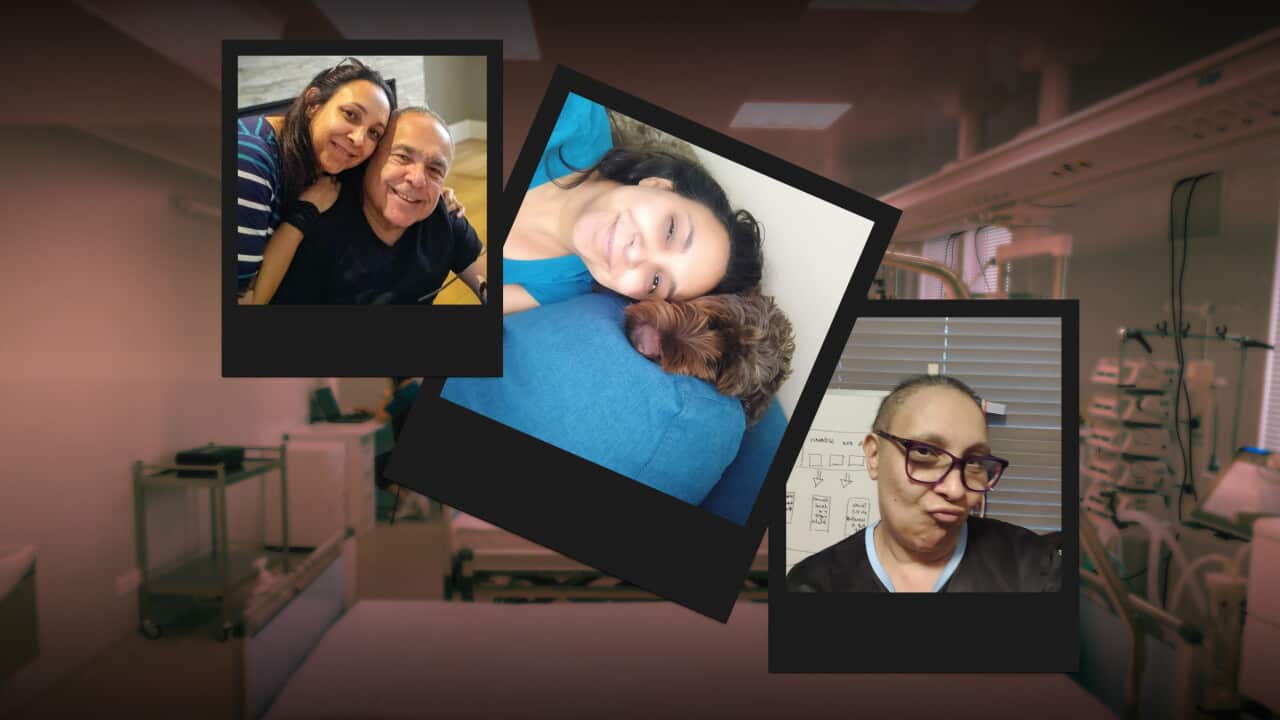
When Mona Thind went for a gastrointestinal scan in late 2024, she'd known something wasn't right for months.
At 52, she had been told by doctors that the pain she felt around her ribs and upset stomach was likely caused by constipation or poor diet, easily treated by upping her fluid intake.
Months later, the pain returned, and as she was setting off for a holiday to Byron Bay in northern NSW, her father raised concerns.
"As I was walking out of his house, he said to me, 'My heart tells me we should do a scan ... I feel it in my gut'," Mona told SBS News.
At the time, she recalled, she laughed about it, thinking he was a typical overprotective father.
News that makes sense
Your trusted source for staying up-to-date with the world around you. Get free daily news updates and analysis, straight to your inbox.
But at the upper gastrointestinal scan in Byron Bay, she knew the sonographer had found something.
"I saw the look on her face," Mona said. "I came home, and everything happened."
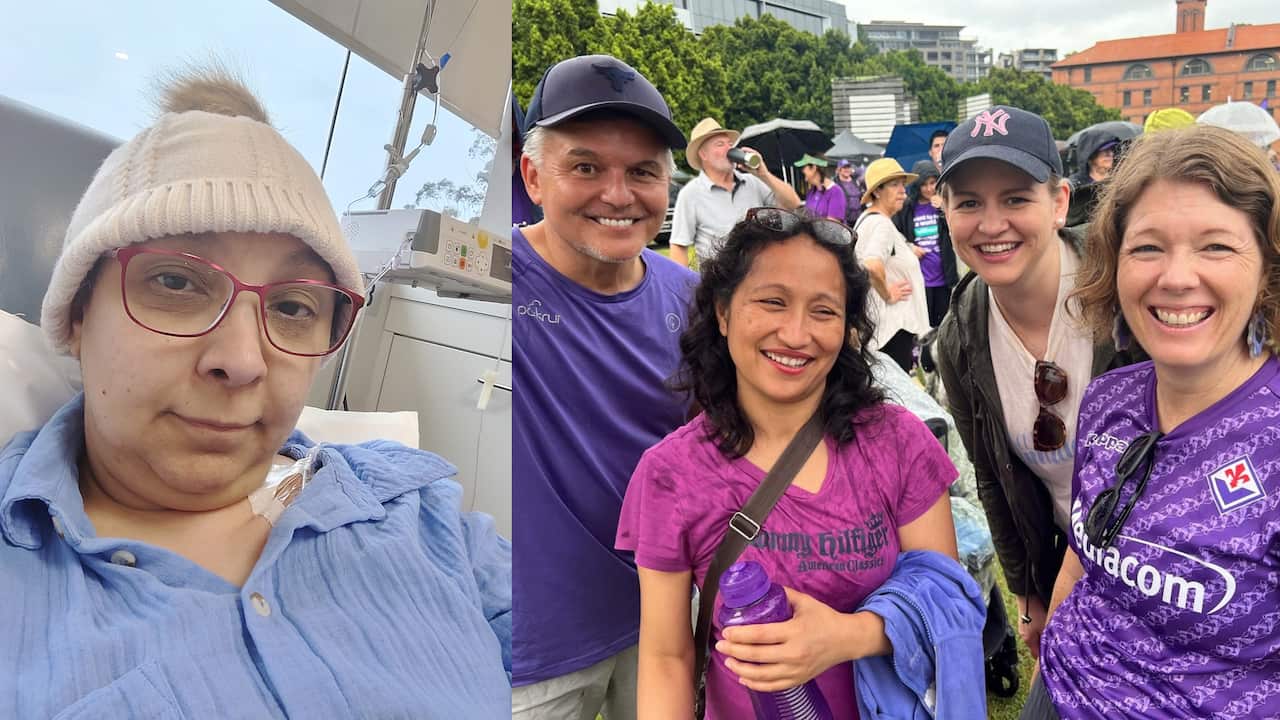
Mona had pancreatic cancer. In the 15 months that followed, she underwent six rounds of chemotherapy and major surgery, gruelling treatment which she pushed through.
"When I was first diagnosed, I didn't cry," she said. "I wasn't sad every day; I just went, this is what it is."

But on the day she was congratulated for beating cancer, she "fell apart" for the first time.
"My dad promised me that he would be there for every chemo treatment for me. And he died on my last chemotherapy day. He was there for every single treatment," she said.
"He was my pillar of strength."
A major disease, commonly undetected
Pancreatic cancer is the eighth most commonly diagnosed cancer in Australia.
It occurs when malignant cells develop in parts of the pancreas, and it's estimated that one in 70 people will be diagnosed with the disease by the age of 85, according to the Cancer Council.
Senior researcher at the Garvan Institute of Medical Research's Cox Lab, Dr Amelia Parker, says it's also one of the most understudied and complex cancers to treat.
"For pancreatic cancer, less than 13 per cent of patients will survive at five years, and part of the reason for that is that a lot of the symptoms associated with early-stage pancreatic cancer are largely vague or not readily diagnosed," she told SBS News.
"This means that patients often aren't seeking medical help until the cancer is much more advanced."
Like other cancers, once pancreatic cancer has spread to other parts of the body, it is much more difficult to treat, leading to lower survival rates.
"We're working very hard to improve our detection of those cancers so that patients who have that disease are diagnosed earlier and have all of the most effective treatments available to them," Parker said.
Parker believes research gaps driven by dwindling investment directly impact patient outcomes.
"There has been less investment in research funding historically. And that's really hampered our efforts to both understand the disease and use that understanding to develop new and better treatments."
She said her research was making "real strides" in improving understanding of the disease, and she hoped it would translate into better outcomes for patients.
"But for that to happen, for there to be innovations in treatment, we really need to invest in funding," she said, adding that funding for cancer research was "highly competitive".
"There's more research out there that would make a difference," she said.
Kerry Strydom, CEO of the Australian Cancer Research Foundation, hopes to change that.
"I'm absolutely convinced that funding is the way that we will advance breakthroughs," she told SBS News.
"You've seen how the pace of technology improvements has accelerated over the last few years — we need to get those tools, that equipment, the latest technology, into the hands of our scientists, and I'm convinced that it'll get us closer to a world free from the burden of cancer.
"It's really important that we continue to back brilliant researchers so that they can turn their promising ideas into breakthroughs."
Hope for future advancements
In August, the US Food and Drug Administration approved a new oral prescription medication, daraxonrasib, sold under the brand name Rasonque, for previously treated metastatic pancreatic cancer.
Parker from the Garvan Institute says that this marks a significant step forward for people diagnosed with one of the toughest common cancers.
"We work closely with our international colleagues to make sure that Australian patients could potentially have access to the same quality of care as in other parts of the world."
But Parker's ambition was clear: "My overall hope is that we'll be able to develop new treatments that will mean a cancer diagnosis is not one that's met with a lot of fear and uncertainty, that it's easily treatable and patients can look forward to a very long life ahead of them."
"So in many ways, I hope that maybe I'm out of a job in the future," she said.
Mona is hopeful that more funding for cancer research in Australia and abroad will pave the way for new treatments.
"It's very important to get that research so that we can treat people," she said.
"But what it really translates to is hope ... It's that birthday that you would have missed because there's no treatment, that trip you would put off because you may not be here.
"It's not just about the treatment; it's what you're giving back to the patients and their families and their friends."
For the latest from SBS News, download our app and subscribe to our newsletter.







