
A prosecutor who did not oppose bail for Sydney siege gunman Man Haron Monis eight weeks before the tragedy had been in the job for just two months, an inquest has heard.
The inquest into the siege heard a Director of Public Prosecutions (DPP) prosecutor had not done a bail application in NSW prior to handling Monis' appearance in court in October 2014 on multiple sexual assault charges.
Sex crime squad Detective Senior Constable Denise Vavayis told the inquest she was not aware the DPP officer had started the job only two months before the hearing.
The inquest also heard Sen Const Vavayis did not know the prosecutor had told Monis' defence solicitors that police had "no issue" with Monis' bail being continued - contrary to her stated opposition to bail.
The prosecutor had advised there were no strong grounds for seeking Monis' bail to be revoked.
Sen Const Vavayis told the inquest she would not necessarily have acted differently if she had known the prosecutor had been with the DPP only a short time.
"My job is not to make his decisions for him or be an expert in terms of what he does in the courtroom," she said.
Monis gun from huge 'grey market'
The gun used by gunman Monis was one of an estimated 250,000 unregistered "grey market" weapons in Australia, the inquest has heard.
Counsel assisting the inquest Jeremy Gormly SC said the pump-action shotgun was imported into Australia in the 1950s but had never been registered, nor turned in under the 1996 compulsory gun buyback.
A photograph of the weapon, displayed in court on Monday, showed how the gun had been crudely cut down with a hacksaw or similar coarse blade, Mr Gormly said, shortening it by more than 60cm to allow it to be easily concealed.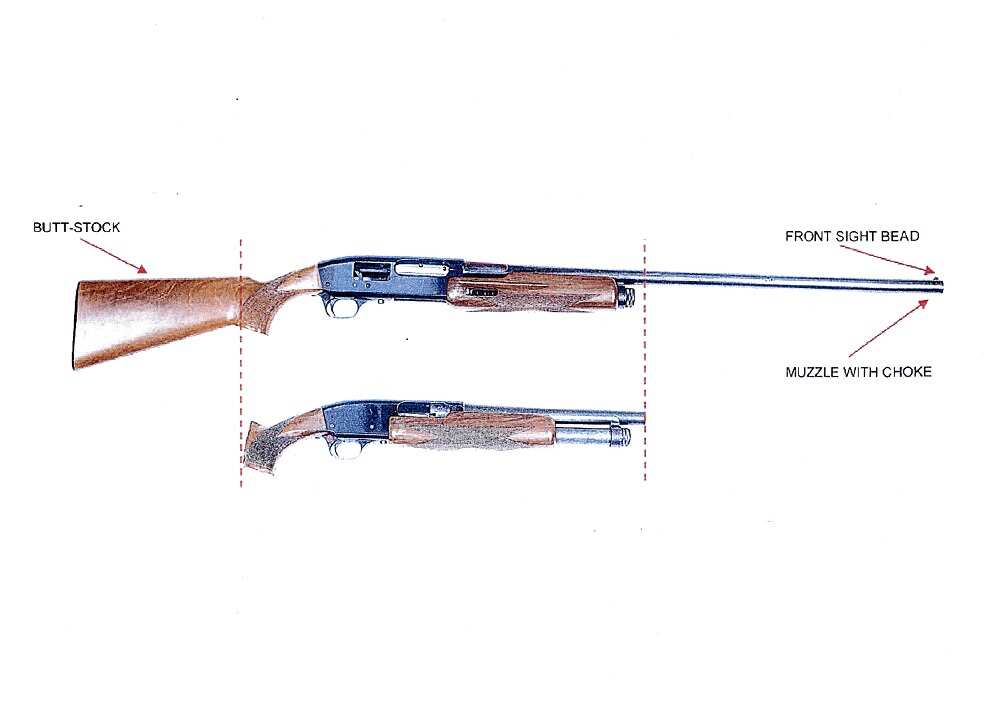
Supplied image displayed in court on Monday August 17 of a shortened La Salle pump-action shotgun used by Sydney siege gunman Man Haron Monis during the Lindt Cafe siege in Sydney. (AAP Image/Department of Justice) Source: DEPARTMENT OF JUSTICE
Monis unknown in Muslim community: inquest
Australia's two most senior Muslim leaders say Monis was unknown in the Muslim community and an "amateur" in his understanding of the religion.
Senior counsel assisting the siege inquest, Sophie Callan SC, told the court on Monday that Shi'ite leader in Australia, Sheikh Kamal Mousselmani, told investigators he first became aware of Monis when he saw him in a newspaper photograph, wearing clerical robes and chained to a railing outside a court.
Sheikh Mousselmani has given a statement to the inquest that neither he or other senior clerics knew of Monis, who called himself Sheikh Haron.
A check of Monis' website, sheikhharon.com, showed he was "erratic" and "he seemed to have an amateur knowledge" of Islam, Sheikh Mousselmani said.
Sunni leader, Grand Mufti of Australia Dr Ibrahim Abu Mohammed, has told investigators Monis, who claimed to be an Islamic cleric, was "not particularly known in the community".
Monis's ties to cultural and community groups will be investigated next week, after the inquest deals with how he came to be on bail, how he obtained his shotgun and whether his offences can be defined as terrorism.
The inquest has heard four terrorism experts are evenly divided on whether the siege constitutes an act of terror. Coroner Michael Barnes has also heard evidence that bail granted to Monis in October 2014, eight weeks before the siege, could have been handled differently if more evidence was available to authorities.
The court heard that Monis was on bail for writing offensive letters to the families of dead Australian soldiers at the time he allegedly committed three sexual assaults.
A panel of four experts has advised that Monis's successful bail bid could have been treated differently if information about that Commonwealth bail had been provided.
But "silos" between state and federal jurisdictions prevented that information being shared. Counsel assisting the commission, Jeremy Gormly SC, cautioned that information available to the expert panel may not have been available to the relevant authorities at the time.
Share


