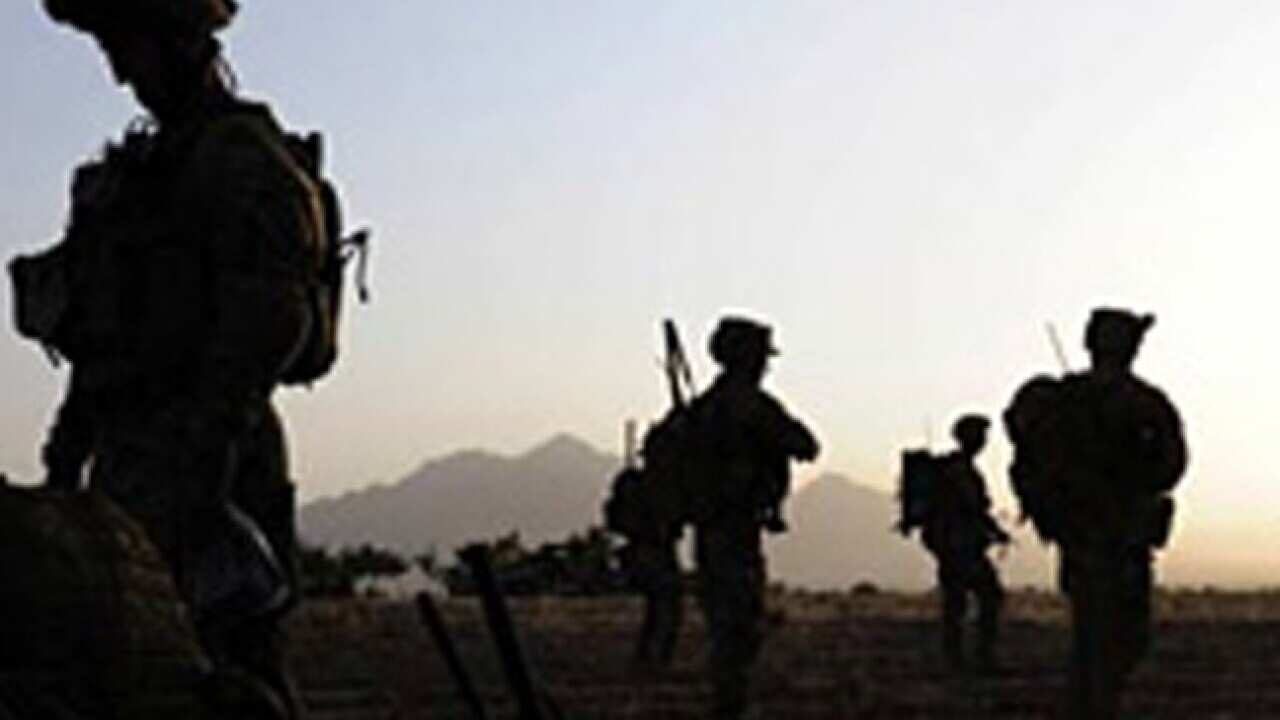
After more than a decade of operations, there's yet to be a tsunami of traumatised combat veterans from Iraq and Afghanistan.
But new studies show higher rates of post-traumatic stress disorder (PTSD) symptoms among those on the frontline, particularly soldiers involved in bomb disposal.
The studies, released on Thursday, found the highest rates of PTSD symptoms were among those two to three years out of the defence force.
There was no clear correlation between PTSD symptoms and time spent deployed or repeated deployments.
Overall, those who deployed on operations were physically and mentally healthy with their PTSD rates not significantly different who those who never left Australia.
News that makes sense
Your trusted source for staying up-to-date with the world around you. Get free daily news updates and analysis, straight to your inbox.
Former Middle East commander, retired major General John Cantwell, had predicted a tidal wave or tsunami of PTSD among those who have served in recent operations.
But Defence force chief General David Hurley said that was emotive language which did not take into account that defence personnel have been performing difficult border protection tasks and rotating through operations in the Middle East for 12 years.
"Assuming a tidal wave, we should expect to be experiencing that now. Our data does not support this view," he said.
One study surveyed the health of 3074 defence members who served in the Middle East in the period 2010-12. It found 1.9 per cent reported PTSD symptoms after their deployment. There was also higher rates of obesity and alcohol disorder.
The second study surveyed 14,032 defence personnel who served in the Middle East between 2001 and 2009.
"Symptoms of PTSD and other mental health problems were more prevalent among members who reported high levels of traumatic and combat exposures," it said.
Those involved in bomb disposal reported the highest level of traumatic and combat exposure.
Department of Veterans Affairs deputy-president Shane Carmody said around 800 a year were granted compensation for PTSD with a similar number seeking treatment but not compensation.
Director-general of defence health Rear Admiral Robyn Walker said it was estimated 10 per cent of the current defence force would seek help for a mental health condition.
"The study shows while you remain in the ADF, you remain pretty healthy. There is about seven times the rate of PTSD symptoms among those no longer in the reserve and those who no longer have a relationship (with defence)," she said.