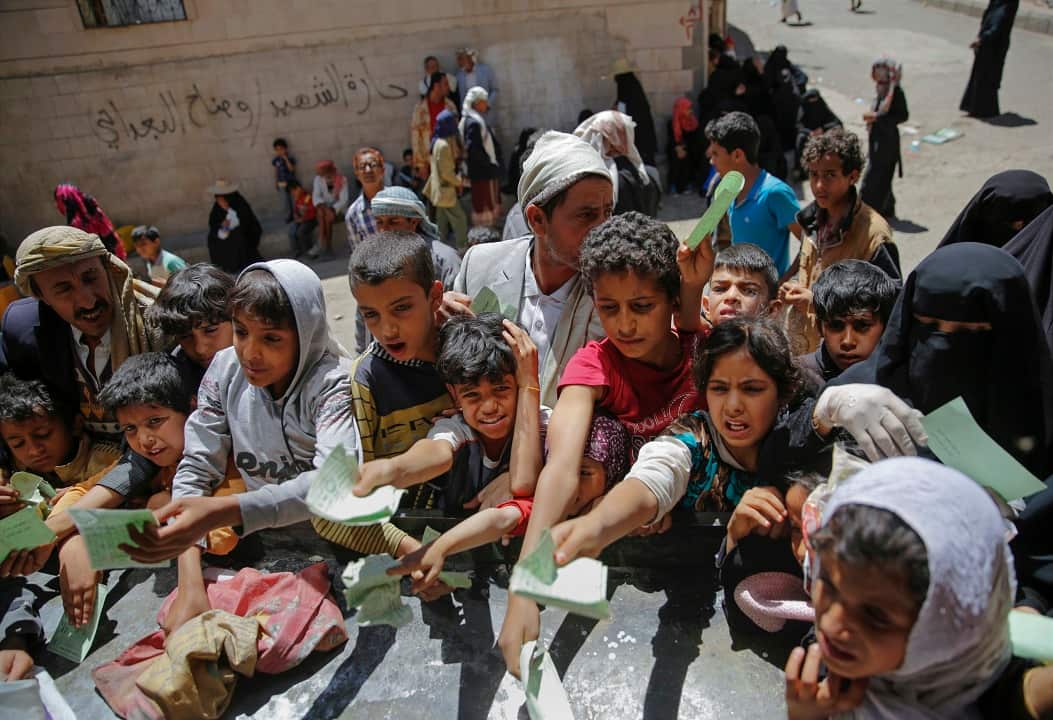
It has been described as nothing short of a catastrophe and the worst humanitarian crisis in 70 years.
Yet many Australians know little about the famine unfolding in East Africa and Yemen, according to a Caritas commissioned Essential Media Poll.
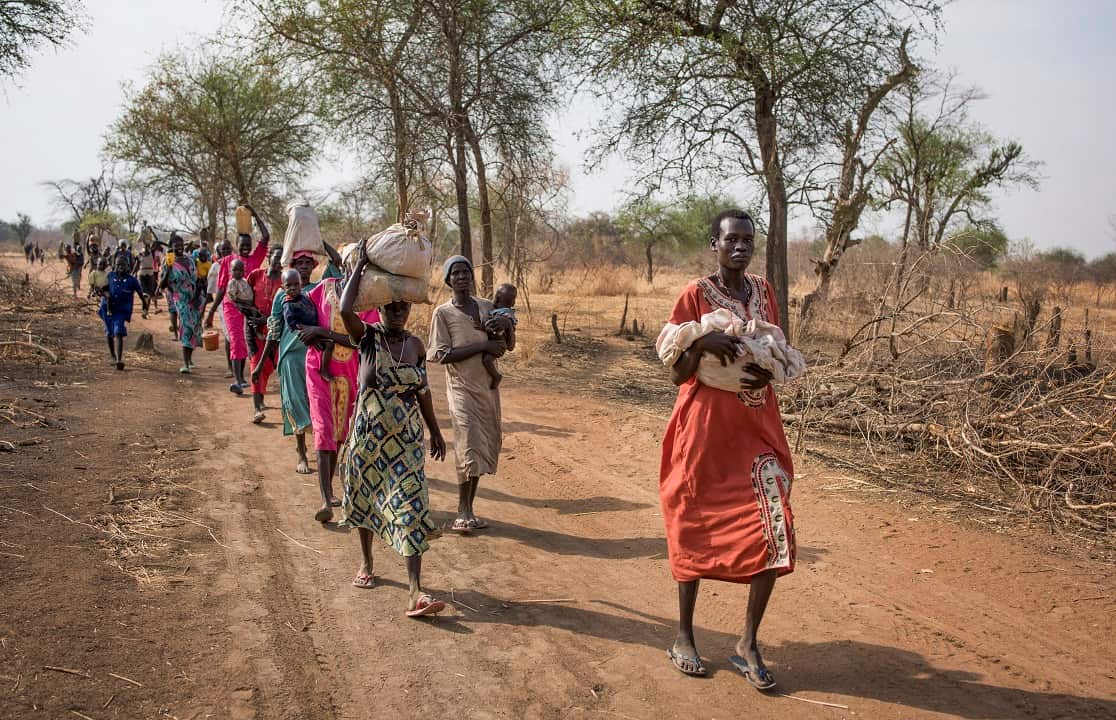
The unfolding crisis, driven by drought and civil unrest, has put 23 million people on the brink of starvation.
But only 32 per cent of 1,013 people surveyed were aware of the event.
News that makes sense
Your trusted source for staying up-to-date with the world around you. Get free daily news updates and analysis, straight to your inbox.
A third of respondents knew little about the current famine in East Africa and Yemen, and 29 per cent knew only a 'little about it'.
Some six per cent of respondents said 'there is no crisis in Africa'.
“Twenty million people are actually on the brink of starvation in these countries in East Africa, that's a very big thing,” Caritas CEO, Paul O’Callaghan told SBS World News.
“We haven't seen anything like this kind of crisis in 70 years.”
Some of the hardest hit countries are South Sudan, Kenya, Somalia, Nigeria, Ethiopia and Yemen.
When those polled were told about the millions of people at risk, less than a quarter said they'd be willing to donate money.
Many cited a lack of spare cash and a preference for supporting causes closer to home.
“I understand we all tend to relate to things that are much closer to us,” Mr O’Callaghan said.
“But [these people] who are facing starvation are just on the other side of the Indian ocean, that’s actually not that far from Australia.”
Caritas says the media focus on other issues including North Korea, terrorism and elections around the world could be contributing to a lack of awareness.
Other aid agencies agree that the crisis is reaching a critical phase.
Oxfam CEO, Helen Szoke has recently returned from a trip to South Sudan and told SBS the international community can't turn its back.
“We have the compounding effects of famine [if we don't provide support],” Ms Szoke said.
“We go into the wet season, we see incidences of cholera, we’ll start to see deaths and we will see malnourished children which takes a long time to get children back from that situation.”
In countries including Ethiopia, the UN says only half of the money pledged by the international community has been donated this year.
The Australian government has pledged $68 million to the cause.