
Mr Fluffy loose-fill asbestos installed up to 40 years ago contaminated over 1000 homes in Canberra. Now some of the residents are making sure their memories are preserved before the bulldozers move in.
Standing outside her family home in Canberra, Tania Evans remembers every detail of her childhood.
“I remember playing with my brothers, having birthday parties – there are so many memories here.”
Tania's father moved the family to Australia after his own home in Germany was bombed during the war.
Tania explained how he put his skills as a carpenter to use.
“He built three big garages, he built under the house and made a dark room.”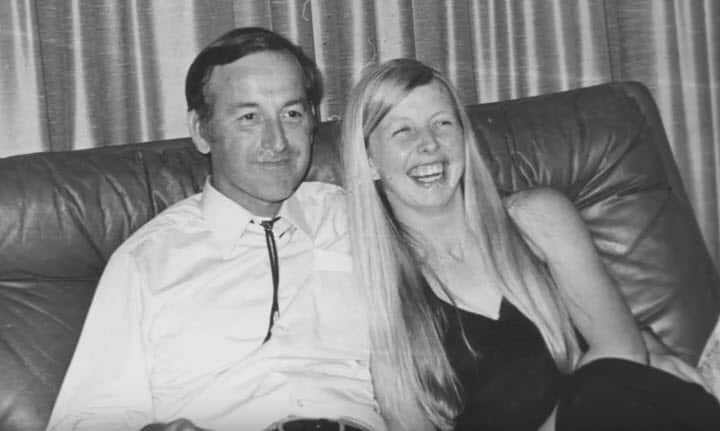 Little did the Evans family know the place they'd call home for 47 years would one day need to be demolished.
Tania Evans with her father. Source: Tania Evans
Chris Redmond from Woden Community Service said their home has become part of Canberra's 50-year-old asbestos legacy.
“Back in the 1960s, a fellow who called his company Mr Fluffy put a whole lot of loose fill asbestos into the roof cavities of homes.”
A huge part of the loss of this home for myself and my family is the loss of dad and all his work.
It wasn’t until years later that the true danger of asbestos eventually became clear. A Commonwealth clean-up in the 1980s didn't work, leaving demolition as the only safe option.
The Mr Fluffy crisis will soon be a part of the ACT's history but history can often be forgotten. Of the more than 1000 home owners, nine of them have collectively gathered to tell their stories in their own words.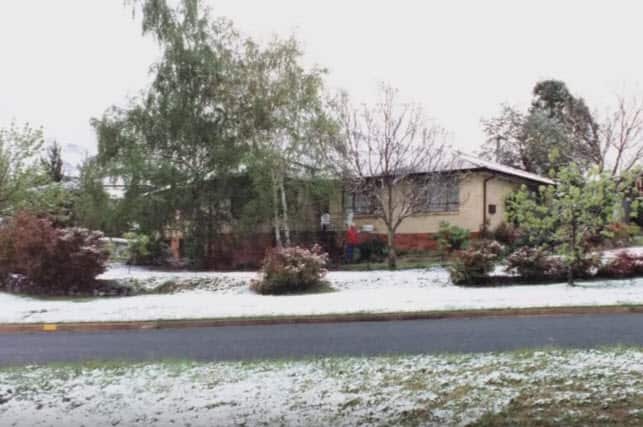 Tania knows her family's house will have to go. And with it, the hard work put in by her father.
Tania Evans' family home in Canberra. Source: Tania Evans' family home in Canberra.
“A huge part of the loss of this home for myself and my family is the loss of dad and all his work. His home was his castle. I think our family histories are important to all of us, and the idea of it all being forced from you is very sad.”
Chris Redmond hopes a National Museum will show an interest.
“For us in producing or funding the digital short stories it's about giving the public the chance to see the individuals and how their lives have been affected by the Mr Fluffy crisis.”
It’s a piece of Canberra's history that will now outlive the homes in question.
Share


