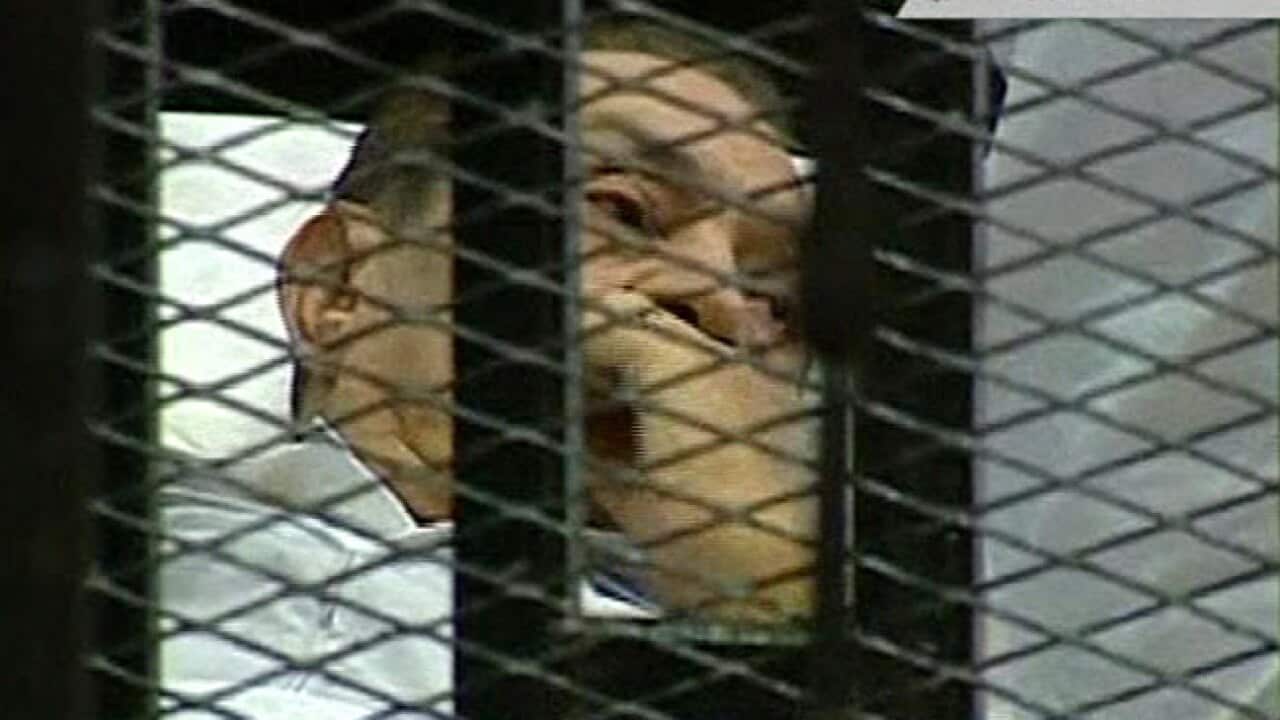
Egyptians, who were glued to their television screens for the two first sessions of ousted president Hosni Mubarak's trial, have been divided by the judge's decision to remove the cameras.
The public trial of Mubarak, accused of corruption and the murder of hundreds of demonstrators, was one of the key demands of the popular protest movement which toppled the veteran leader on February 11.
To the fascination of Egyptian and world television audiences, Mubarak has appeared in court bound to a stretcher and caged, often shielded from the cameras by his two sons and co-defendants on graft charges, Gamal and Alaa.
News that makes sense
Your trusted source for staying up-to-date with the world around you. Get free daily news updates and analysis, straight to your inbox.
But judge Ahmed Refaat put a halt to live broadcasts of the hearings after the unruly, publicity-seeking performance of lawyers representing victims' families at the last hearing on Monday.
"The presence of cameras in the courtroom can affect the environment of the proceedings," Deputy Justice Minister Mohammed Manie said on public television, stressing the decision was taken by the judge alone.
He also said it was essential to protect witnesses.
"It's a good decision, guaranteeing calm in the courtroom," agreed lawyer Gamal Eid, who represents 16 families.
He added that while he was in favour of keeping testimony off-camera to make witnesses less susceptible to outside pressure, he would prefer the rest of the trial to be broadcast at a later date.
But not all parties agreed with the judge's decision.
"A public trial was one of our key demands. They stopped the broadcasts just as we started to get to the heart of the matter," said Tareq al-Kholi, spokesman of the April 6 youth movement, a motor of the anti-Mubarak protests.
"We call on the judge to reverse his decision," Kholi said.
Former judge Mahmud al-Khodeiri agreed. "It is a special case and transparency is of the essence. Without it, we open the door to rumours and distrust. Media coverage is not enough," he said.
Legal experts, meanwhile, have expressed concern over the fast pace of the proceedings given the complexity of the trial.
An in-depth investigation of Mubarak's alleged crimes would normally take several months and cover thousands of documents, but judicial authorities have speeded up the process to appease demonstrators.
"The prosecution has not had enough time ... The police have not collaborated because, after all, this trial is against them," said Khodeiri.







