A growing number of Muslims have taken to social media to question why they are being asked to condemn violent acts carried out in the name of Islam.
In the wake of the Paris shootings and the Sydney siege, Muslim community leaders have publicly condemned the acts but many ordinary Muslims have questioned why this is necessary.
Media Mogul Rupert Murdoch sparked controversy on Saturday when he tweeted to more than 500,000 followers that ordinary Muslims must bear responsibility for the continued existence of Islam's "jihadist cancer".
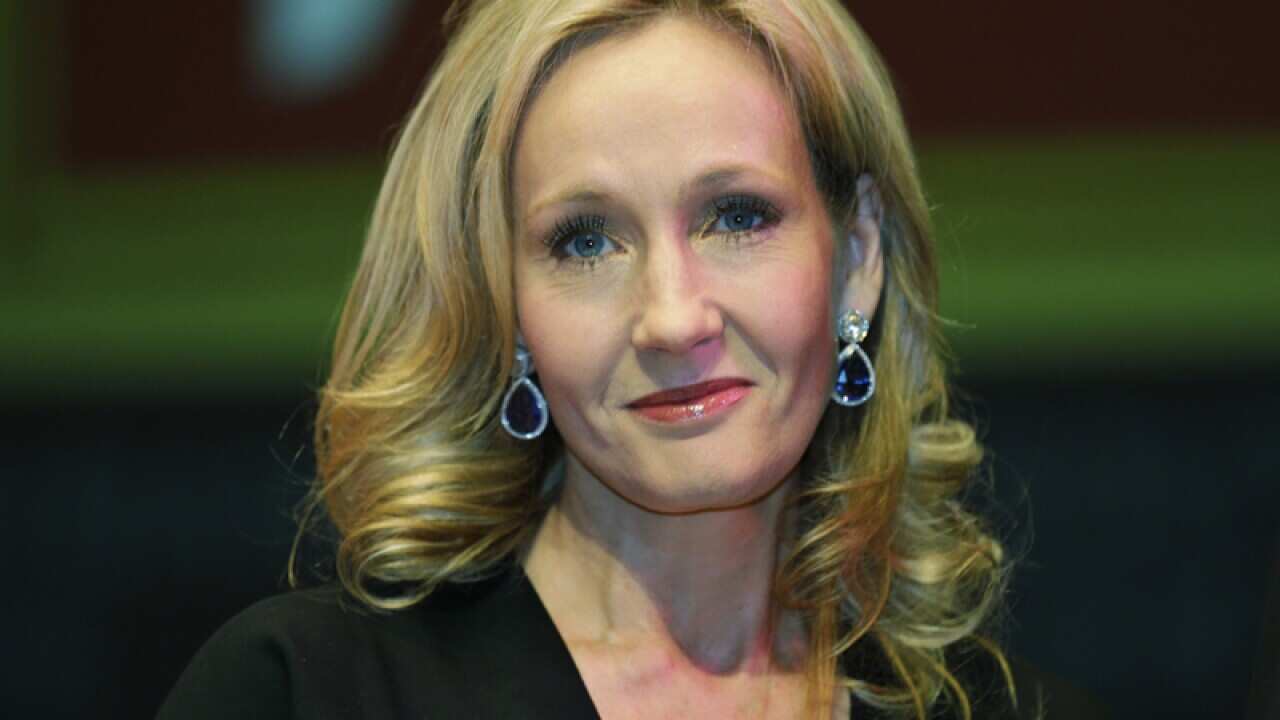
The strong opinion sparked a backlash which quickly flooded Twitter, including a message from Harry Potter author, J.K Rowling.
A wider debate
In an article published on VICE, writer Javaria Akbar explained why she would not be apologising for the Paris shootings.
"It goes without saying that I feel immeasurable sympathy and compassion for the victims and their families. But asking me to say sorry for the actions of extremists because I happen to be a Muslim is like demanding I apologise for another writer's spelling errors."
"Do I appreciate it if activists voice their opposition to racism? Of course I do – I appreciate all forms of humanitarian endeavour. But I also recognise that this can be achieved without apologies that serve no purpose except to placate those who are missing the point."
But Nasya Bahfen, senior lecturer at Monash University's School of Media, Film and Journalism, told SBS she thought people who refused to condemn events such as those in Paris were unnecessarily conflating apologising with responsibility.
"If somebody's parents die, you say 'I'm sorry,' that doesn't mean that you killed them. It's just an expression of sympathy that shows that you were brought up with manners."
"So I'm not sure why there is this reticence to do something that doesn't take a lot of effort but which shows sympathy."
She also encouraged community leaders to continue speaking out.
"I wear a headscarf and I think the situation for people like me who are visibly Muslim on the streets of a majority non-Muslim country would be far worse if Muslims sat back and didn’t say anything," she said.
Ms Bahfen acknowledged that there was more pressure on Muslims than other groups to condemn certain acts but said that silence on the other hand implied an agreement that massacres were part of Islam.
She said her faith had been unwavered in the face of such attacks because groups like ISIS did not represent Islam.
"I'm comfortable and I'm secure in my faith," she said. "But when this happens I feel angry that somebody else has hijacked my faith and said 'This is what we're about'."
"Which is why I will continue to loudly and vocally condemn these types of atrocities whenever they happen, and I don't think that doing that makes me less of a Muslim."
Share


