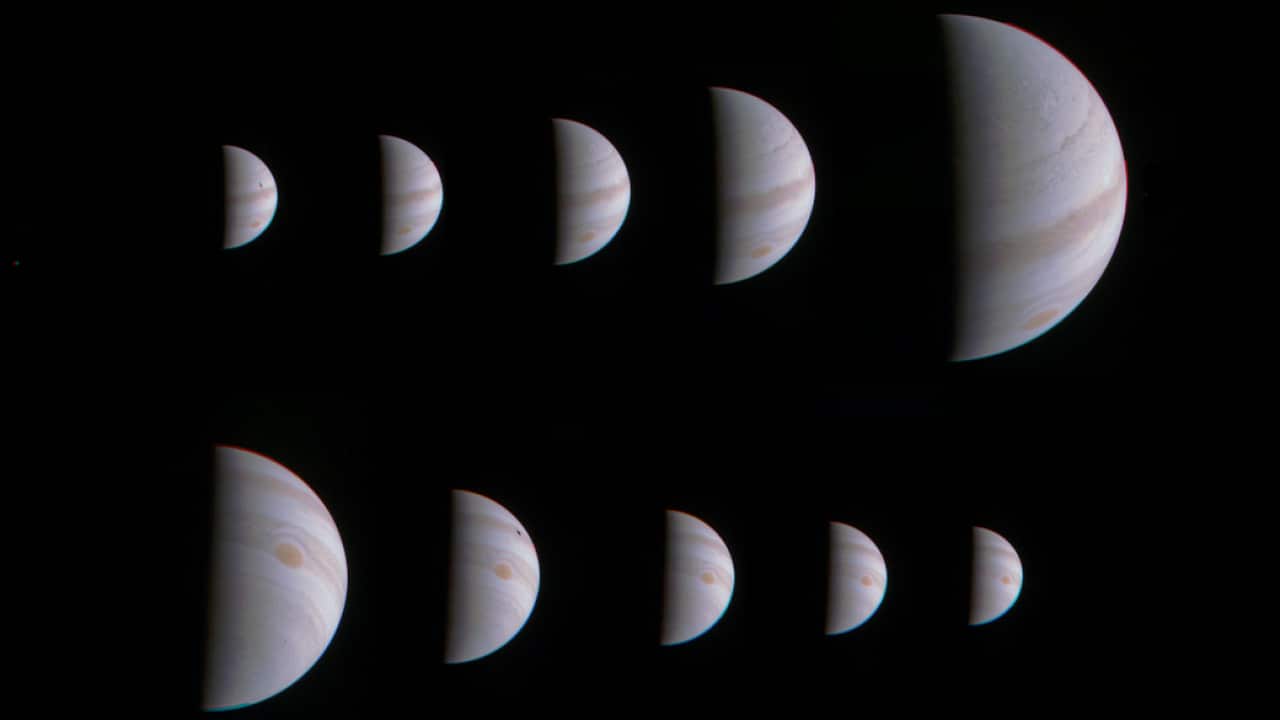
Juno came within 2,500 miles (4,200 kilometres) of Jupiter on August 27 during a six-hour transit from the north pole to the south.
"It looks like nothing we have seen or imagined before," said Scott Bolton, principal investigator of Juno from the Southwest Research Institute in San Antonio.
"The largest planet in our solar system is truly unique. We have 36 more flybys to study just how unique it really is."
A camera dubbed the "JunoCam" took the high-definition images. It is one of the nine instruments onboard the spacecraft.
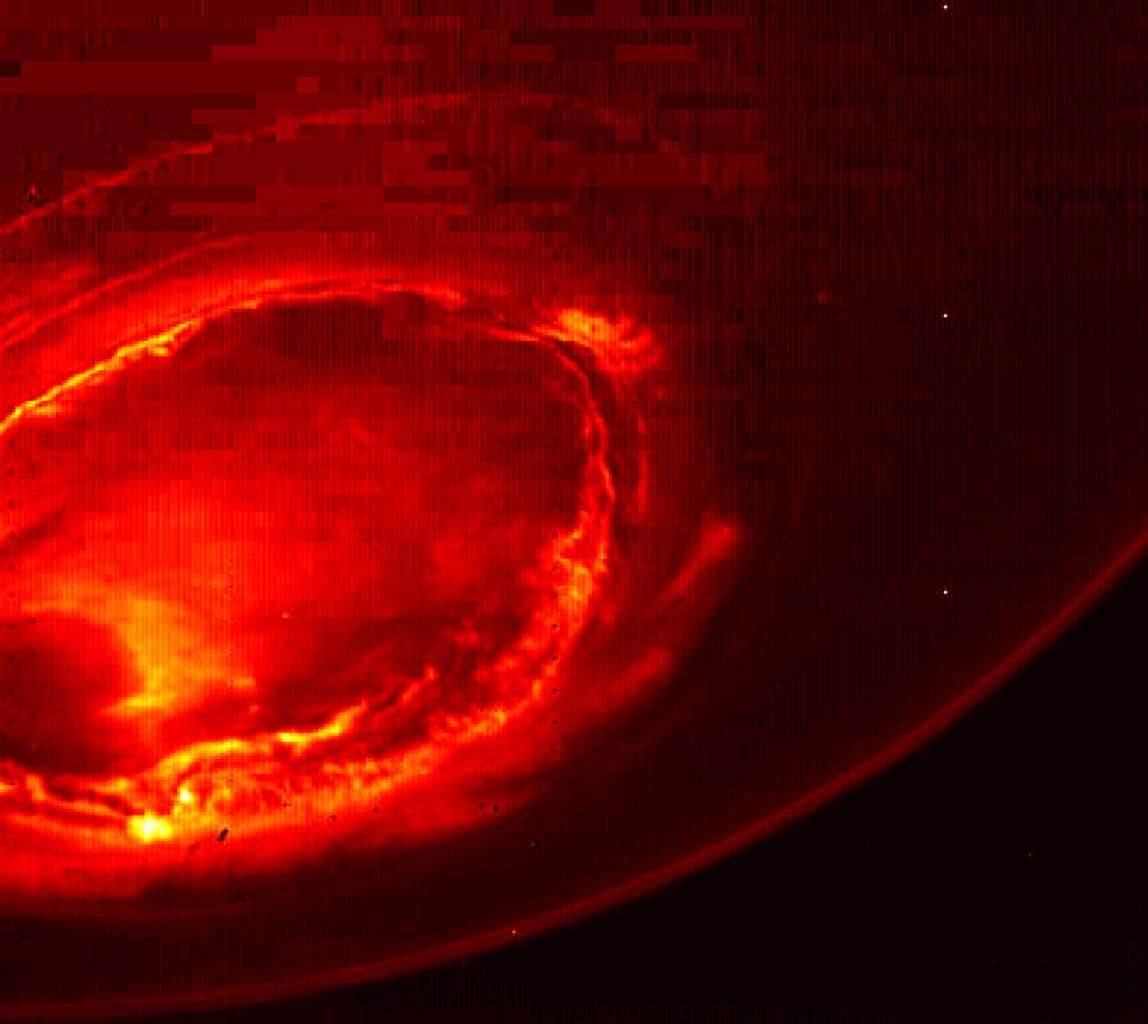
Juno notably sent the first infrared close-ups of the planet's north and south poles.
News that makes sense
Your trusted source for staying up-to-date with the world around you. Get free daily news updates and analysis, straight to your inbox.
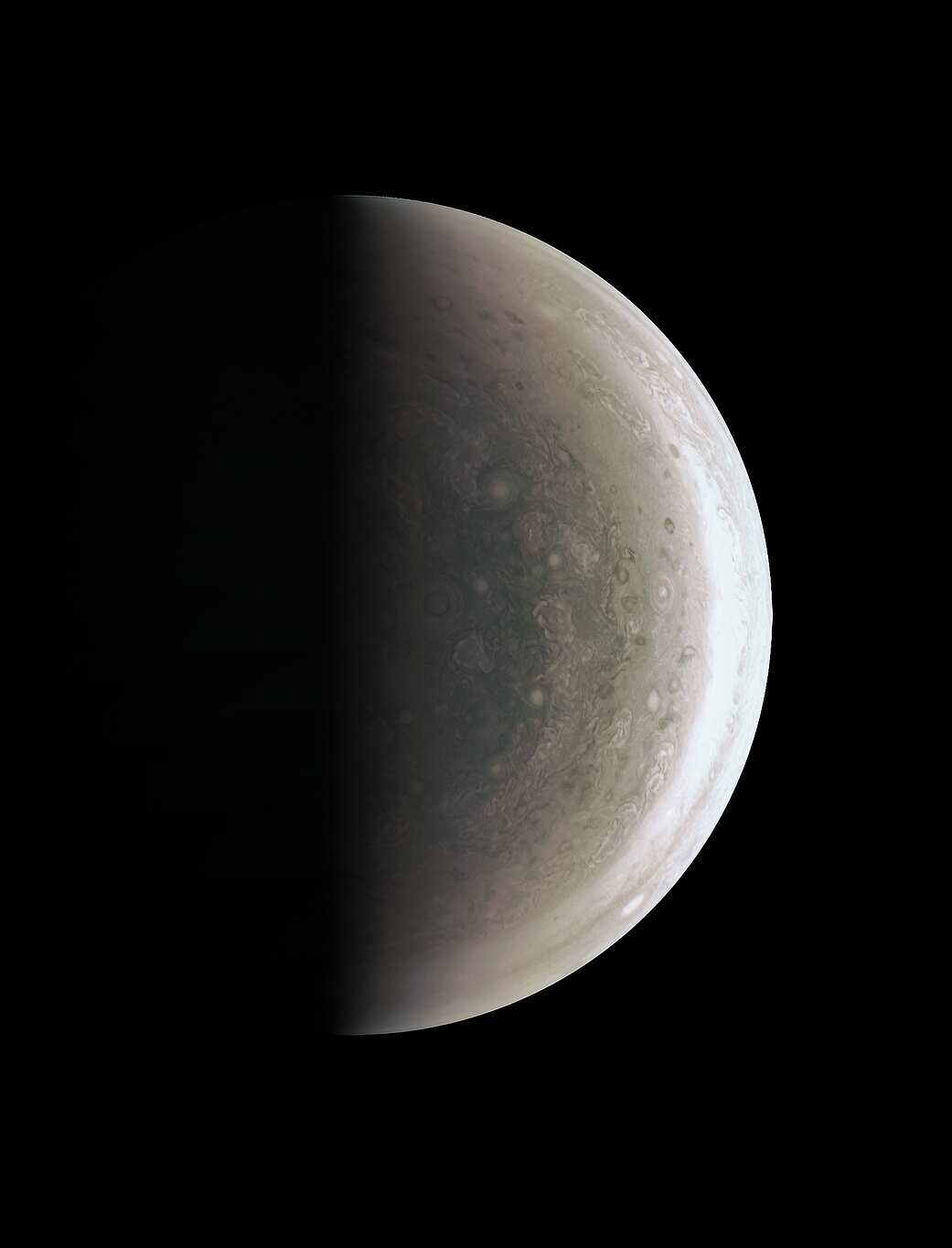
"These first infrared views of Jupiter's north and south poles are revealing warm and hot spots that have never been seen before," said Alberto Adriani, of the Istituto di Astrofisica e Planetologia Spaziali in Rome.
Adriani is one of the researchers who developed the Jovian Infrared Auroral Mapper (JIRAM) that allowed scientists to acquire the images.
"While we knew that the first-ever infrared views of Jupiter's south pole could reveal the planet's southern aurora, we were amazed to see it for the first time," he said.
Auroras are streamers of light in the sky caused by energy from the sun and electrically charged particles trapped in the magnetic field.
Another Juno instrument recorded sounds from Jupiter -- "ghostly-sounding transmissions emanating from the planet," said NASA.
Scientists have known about Jupiter's radio emissions since the 1950s, but had never analyzed them from such a close distance.
"Jupiter is talking to us in a way only gas-giant worlds can," said Bill Kurth, co-investigator from the University of Iowa.
Juno's main mission began in July and is scheduled to end in February 2018, when the probe will self-destruct by diving into the planet's atmosphere.
The $1.1 billion project aims to peer beneath the clouds around Jupiter for the first time to learn more about the planet's atmosphere.
Scientists want to know how much water the planet contains, because it can tell them a lot about when and how the planet formed.
Juno will also probe how the planet's intense magnetic field is generated, and study the formation of auroras.







