
IN BRIEF:
- Artemis II will send astronauts beyond the moon for the first crewed lunar mission since 1972.
- The 32-story rocket rose from NASA's Kennedy Space Center in Florida about 9.30am AEDT Thursday.
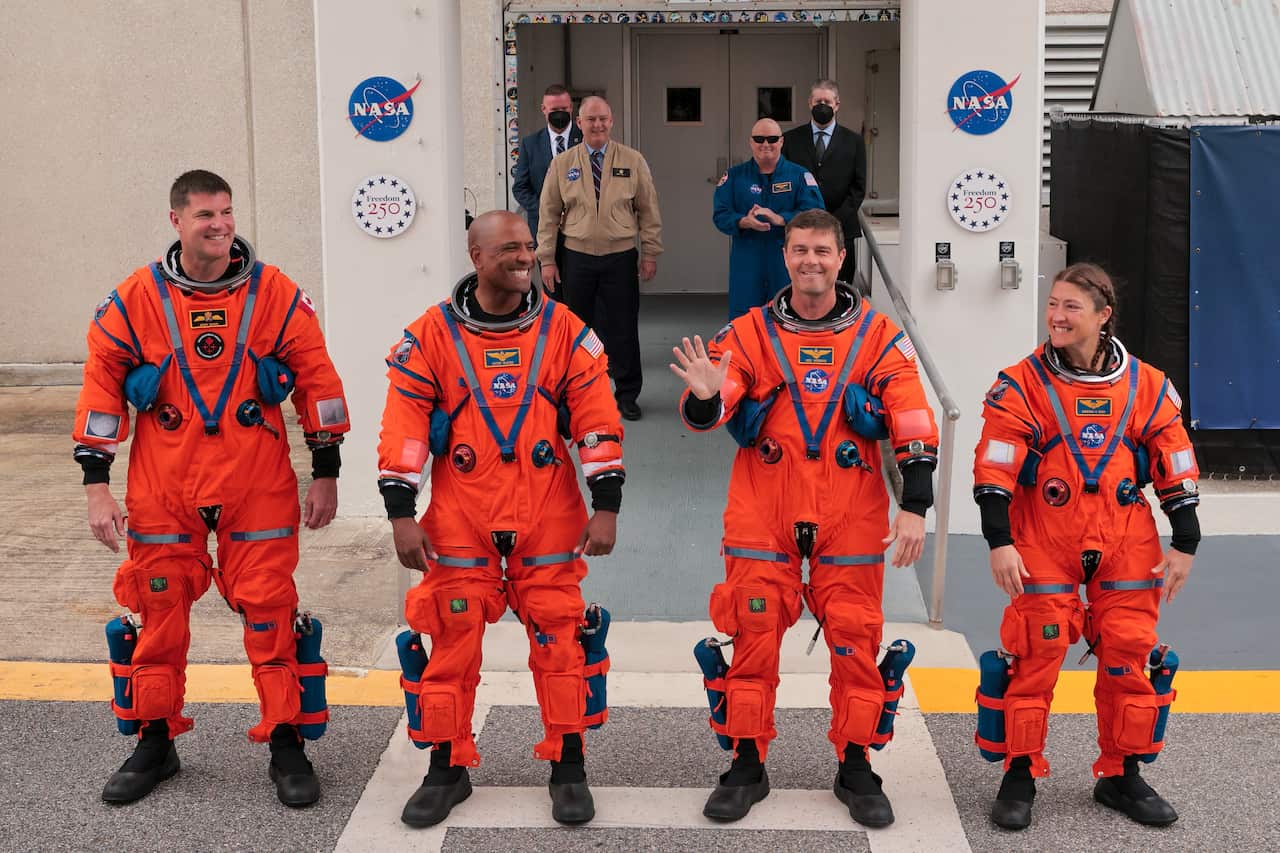
Four astronauts embarked on a high-stakes flight around the moon on Thursday, humanity’s first lunar voyage in more than half a century and the thrilling leadoff in NASA's push toward a landing in two years.
Carrying three US and one Canadian astronaut, the 98m long rocket rose from NASA's Kennedy Space Center in Florida about 9.30am AEDT Thursday (6.30pm Wednesday local time), where tens of thousands of people gathered to witness the dawn of this new era.
Crowds also jammed the surrounding roads and beaches, reminiscent of the Apollo moonshots in the 1960s and '70s. It is NASA' s biggest step yet toward establishing a permanent lunar presence.
Artemis II set sail from the same launch site that sent Apollo's explorers to the moon so long ago.
News that makes sense
Your trusted source for staying up-to-date with the world around you. Get free daily news updates and analysis, straight to your inbox.
The handful still alive cheered this next generation’s grand adventure as the Space Launch System rocket thundered into the early evening sky, a nearly full moon beckoning some 400,000km away.
Earlier, the crowd applauded and cheered again as the astronauts boarded their astrovan for the 14km ride to the launch pad.
Commander Reid Wiseman thanked the throngs who gathered to see them off.
"It's a great day for us. It's a great day for this team," Wiseman called out.
They won’t pause for a stopover or orbit the moon like Apollo 8's first lunar visitors did so famously on Christmas Eve 1968.
But they stand to become the most distant humans ever when their capsule zooms past the moon and continues another 6,400km beyond, before making a U-turn and tearing straight home to a splashdown in the Pacific.
Once settled in a high orbit around Earth, the astronauts planned to assume manual control and practice steering their capsule around the rocket’s detached upper stage, venturing within 10 metres.
NASA wants to know how Orion handles in case the self-flying feature fails and the pilots need to take control.
Four days later during the lunar flyby, the moon will appear to be the size of a basketball held at arm's length.
The astronauts will take turns peering through Orion’s windows with cameras.
If the lighting is right, they should see features never before viewed through human eyes.
They’ll also catch snippets of a total solar eclipse, donning eclipse glasses as the moon briefly blocks the sun from their perspective and the corona is revealed.
All of NASA’s moon plans — a surge in launches over the next several years leading to a sustainable moon base for astronauts assisted by robotic rovers and drones — hinge on Artemis II going well.
It’s been more than three years since Artemis I, the only other time NASA’s SLS rocket and Orion capsule have soared.
With no one aboard, the Artemis I capsule lacked life-support equipment and other crew essentials like a water dispenser and toilet.
These systems are now making their space debut on Artemis II, ratcheting up the risk.
That's why NASA is waiting a full day before committing Wiseman and his crew to a four-day trip to the moon and four-day journey back.
Astronauts last flew to the moon during Apollo 17 in 1972.
For the latest from SBS News, download our app and subscribe to our newsletter.







