

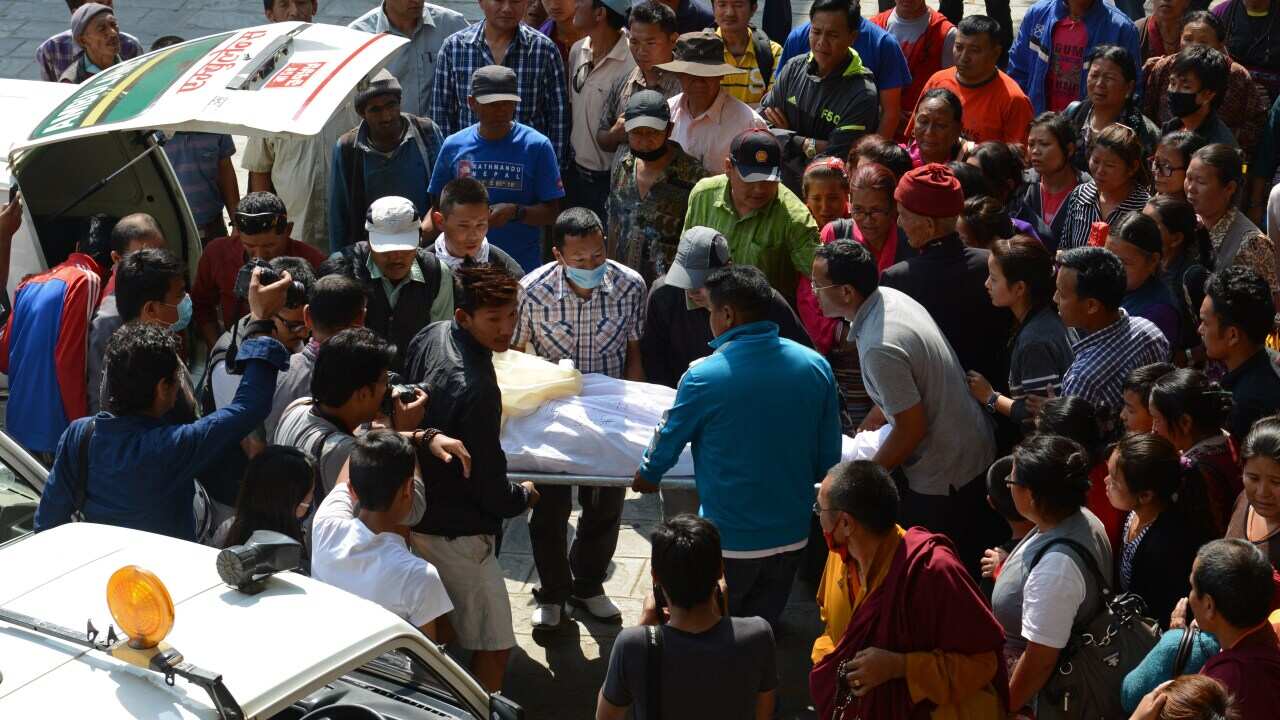
At least 32 people were killed in a series of snowstorms and avalanches that struck at the height of the October trekking season.
Tourism Ministry spokesperson Mohan Krishna Sapkota said the decision by tourists not to hire individual guides resulted in the high death toll.
“If they were with the guide then they would have had a much better idea about the weather,” the Guardian quoted Sapkota as saying.
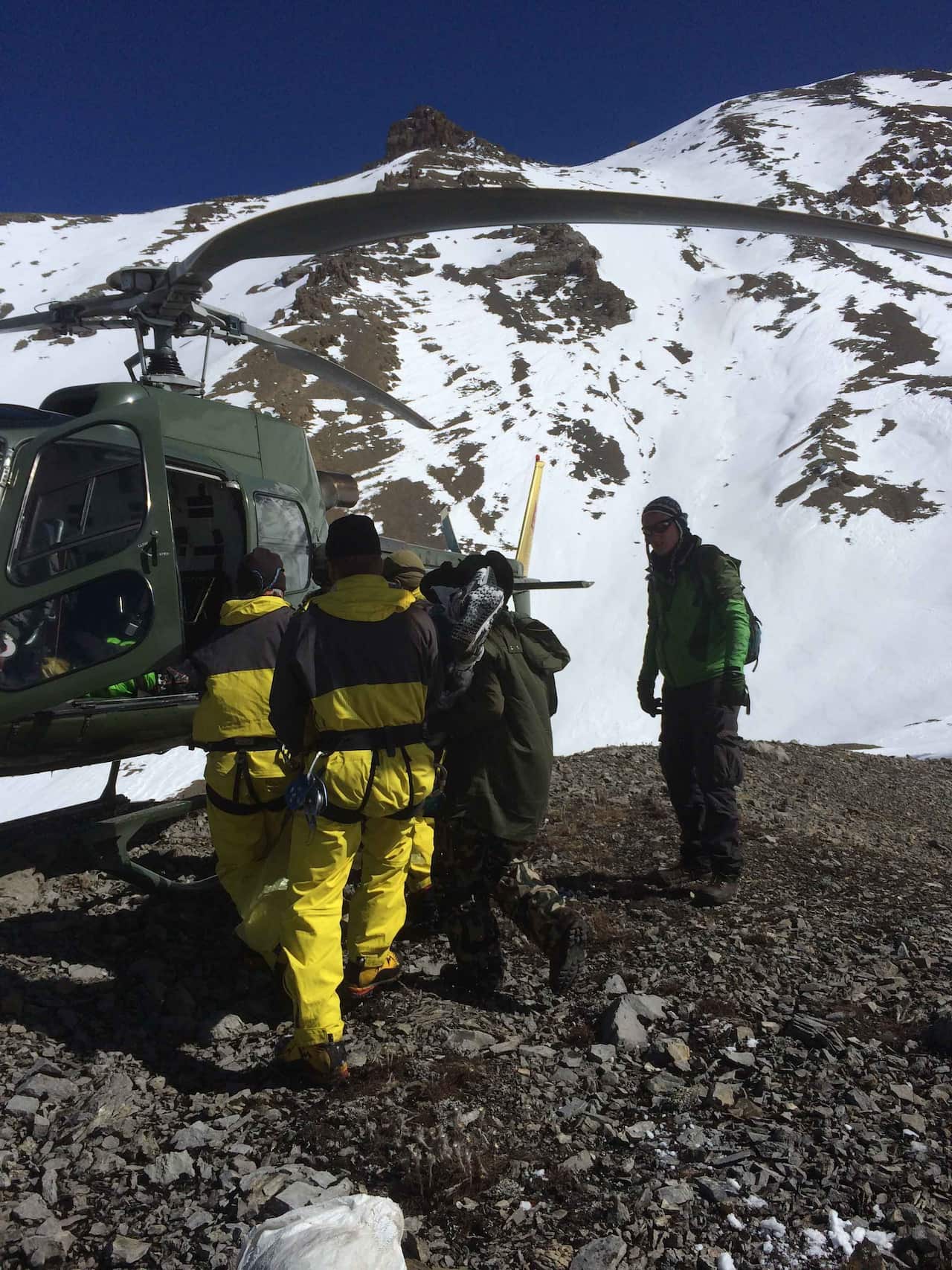
The search effort is continuing for survivors with more than 200 people rescued.
News that makes sense
Your trusted source for staying up-to-date with the world around you. Get free daily news updates and analysis, straight to your inbox.
Most of the affected people were on or near the popular Annapurna circuit, a 220-kilometre trail through the Annapurna mountain range.
Some survivors have been plucked from mountainsides by helicopters, dozens more are still taking shelter in isolated mountain huts.
The dead and injured include foreign travellers as well as Nepalese guides and local villagers caught in the storms.
Trekkers 'herded to their deaths'
British survivor Paul Sherridan, a 49-year-old police seargeant, said the deaths could have been prevented if the weather forecast for deteriorating conditions had been heeded.
"My view is that this incident could have been prevented. I knew the weather forecast before I set off," Paul Sherridan told BBC Radio 4.
"Having spoken to my guide, who wasn't there but obviously has been there, they say that the weight that the porters carry is so great that they leave their own personal safety equipment behind to lighten their load. That to me is an absolute disgusting folly.
"All they are doing is leading people to a certain death, and themselves."
The trekkers had been heading to an exposed high mountain pass that forms part of the popular Annapurna Circuit trekking route when the storm struck."As I descended this abyss of nothing, I realised that the people I was following didn't know where they were," Paul Sherridan said.
"It was at that point that I realised I had gone from a place of safety into an absolute position of fear and sheer terror."
Israeli social worker Eitan Edan, 31, was one of a tour group of 100 mostly Israeli and Polish trekkers on Mount Annapurna when the storm struck.
He has described his ordeal from his hospital bed, where he is receiving treatment for extreme frostbite.
He described his grief at the death of four friends during the descent from Mount Annapurna, blaming the advice of a porter and a tea shop owner.
"They let us think we had to walk if we wanted to stay alive but everyone who stayed in the tea house is alive. Three Polish guys died [too]," he told the Telegraph UK.
Australians fear for loved ones still missing in Nepal
The Department of Foreign Affairs and Trade says it has been in close contact with Nepalese officials since Tuesday's avalanches in which at least 29 people are reported to have died.
Concerned family and friends of trekkers should try contacting those missing directly multiple times because reception in the remote Mustang and Manang districts near Annapurna is unreliable, a DFAT spokesman said.
Australian Bazil Plumb had been waiting anxiously for days to hear from girlfriend Nicole Wise.
On Friday, he learnt she was airlifted to safety out of the mountains - she had been trapped in an avalanche with her guide.
"Was so hard to stay positive from the other side of the world," he posted on Facebook as the happy news broke.
"Everyone who cared definitely helped me a lot.
"Stoked!"
For other loved ones, the wait is still on, with more than 100 trekkers from around the world yet to be found.
"Embassy staff remain ready to assist any Australians affected by this tragedy," a DFAT spokesman said.
"Nepalese authorities continue to advise there are no reports of Australian casualties, so far."
The spokesman didn't say how many Australians were believed missing.