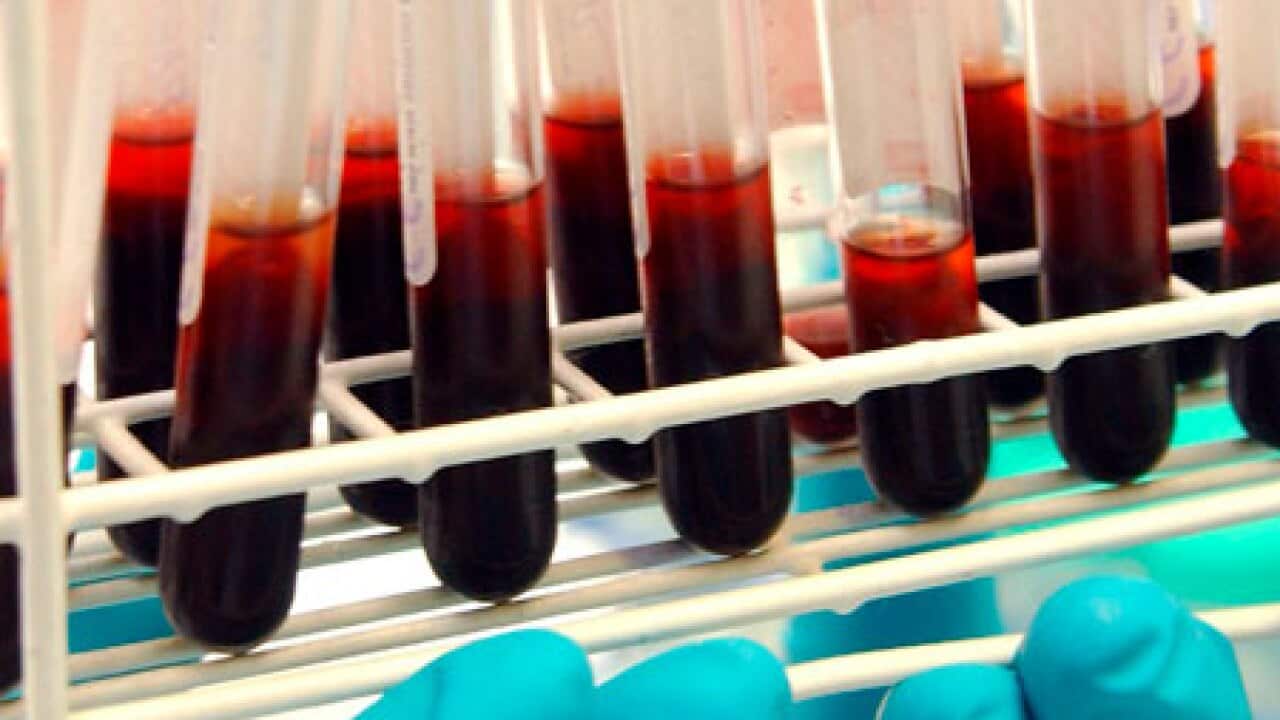
A new bedside blood test for sepsis has the potential to save many thousands of lives, say British scientists.
The life-threatening condition is caused by an overwhelming immune reaction to infection that damages tissues and organs.
Each year sepsis costs the National Health Service (NHS) more than STG2 billion ($A3.36 billion) and kills around 37,000 patients - more than breast and bowel cancer combined.
Rapid diagnosis and treatment with antibiotics is essential, but it can take up to two days to analyse samples in a laboratory.
Now scientists have discovered a biomarker in the blood that can identify sepsis at the bedside within two hours.
News that makes sense
Your trusted source for staying up-to-date with the world around you. Get free daily news updates and analysis, straight to your inbox.
Certain microRNAs, short strands of the genetic molecule RNA, were more likely to be found in the blood of patients with sepsis.
MicroRNAs alter the activity of genes and are known to influence disease processes.
Professor Graham Lord, director of the National Institute for Health Research (NIHR) Biomedical Research Centre at Guy's and St Thomas' NHS Foundation Trust and King's College London, said sepsis is a hidden killer, causing nearly a third of all hospital deaths.
"Rapid antibiotic treatment for the condition is vital - every minute counts - yet current diagnostic methods can take up to two days, so an accurate diagnostic test that can be carried out at the patient's bedside is urgently needed," Prof Lord said.
"We have for the first time identified a group of biomarkers in the blood that are good indicators of sepsis.
"We have shown that it is possible to detect these markers by screening a patient's blood in the ward, a process which can deliver results within two hours."
He described the finding as an extremely exciting development which has the potential to completely transform the management of the "severe disease" and save thousands of lives worldwide every year.
"These are promising early findings and now we need to test this approach in a large clinical trial," he said.
Initial results from laboratory tests were validated in a large group of Swedish patients with severe sepsis.
The research, published in the online journal Public Library of Science ONE, showed that it was possible to diagnose sepsis within two hours with 86 per cent accuracy.
Symptoms of sepsis are similar to other types of inflammation affecting the whole body, but only sepsis responds to antibiotics.
Researchers say it's important to distinguish sepsis from other forms of Systemic Inflammatory Response Syndrome (SIRS) because administering antibiotics in non-sepsis cases can help to fuel antibiotic resistance.
Plans are under way for a randomised clinical trial at King's College London and Guy's and St Thomas' NHS Foundation Trust.







