'Serving Our Country', a four-year $1.5 million dollar project, collected the personal histories that often can't be found in war archives, research institutions and universities.
Project leader Professor Mick Dodson says the well documented ill-treatment of the soldiers after they came home is a familiar tale at community consultations.
“They weren't entitled to the benefits their buddies had,” he said.
“Their mates that they fought with that were white or non-Aboriginal, they got soldier settlement blocks, they got defence homes, they got pensions. The Aboriginal servicemen… they were denied these things.”
Narelle Urquhart was one of the community members to contribute to the project.
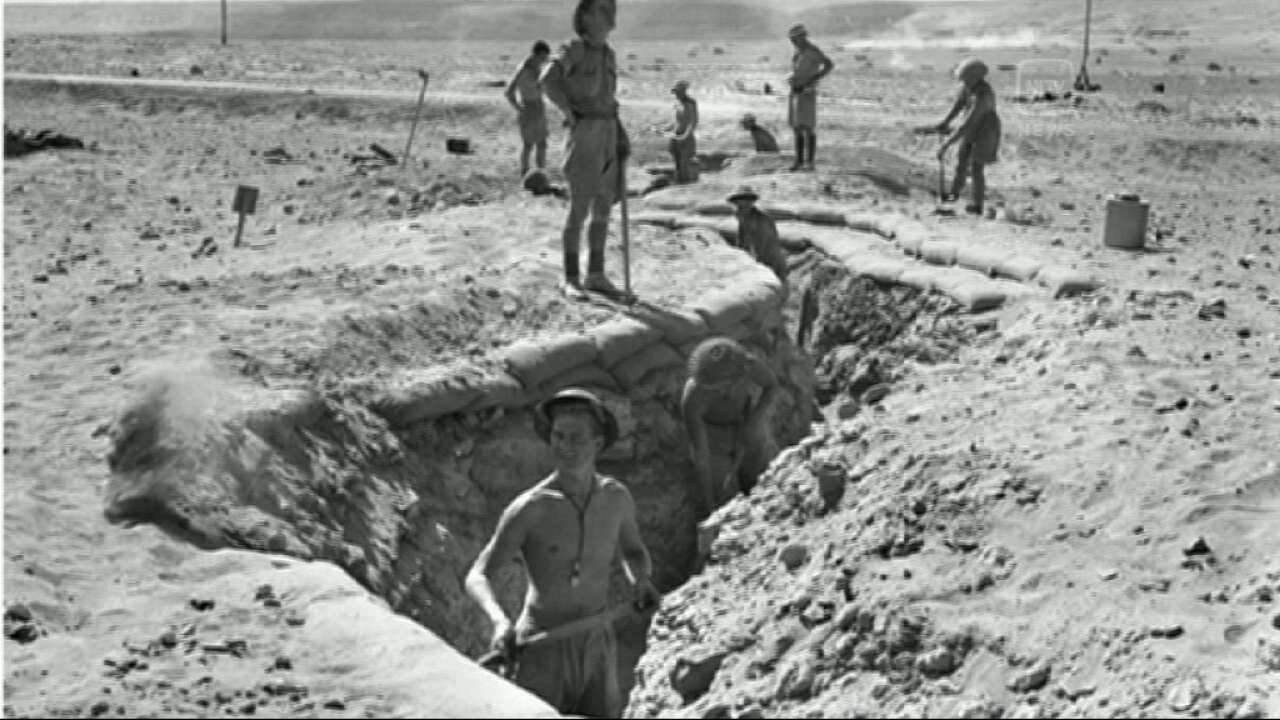
She met with Professor Dodson at the Yugembeh Museum to talk about her grandfather, Cecil Clayton, one of the Black Rats of Tobruk.
Ms Urquhart read a poem by her mother of how Mr Clayton served his country, but had his daughter Iris taken away and placed in a home while he was fighting overseas.
“The price for fighting for freedom of man did not make any difference for this black man,” she said.
“He returned to the outback, no mates did he find. If he had a beer he was jailed and fined. He sold all his medals he once proudly wore. They were no use to him anymore.”
The Serving Our Country project will visit the east coast this year before touring the Northern Territory, South Australia and Western Australia.
It is hoped an exhibition, book and documentary will be created.
Share


