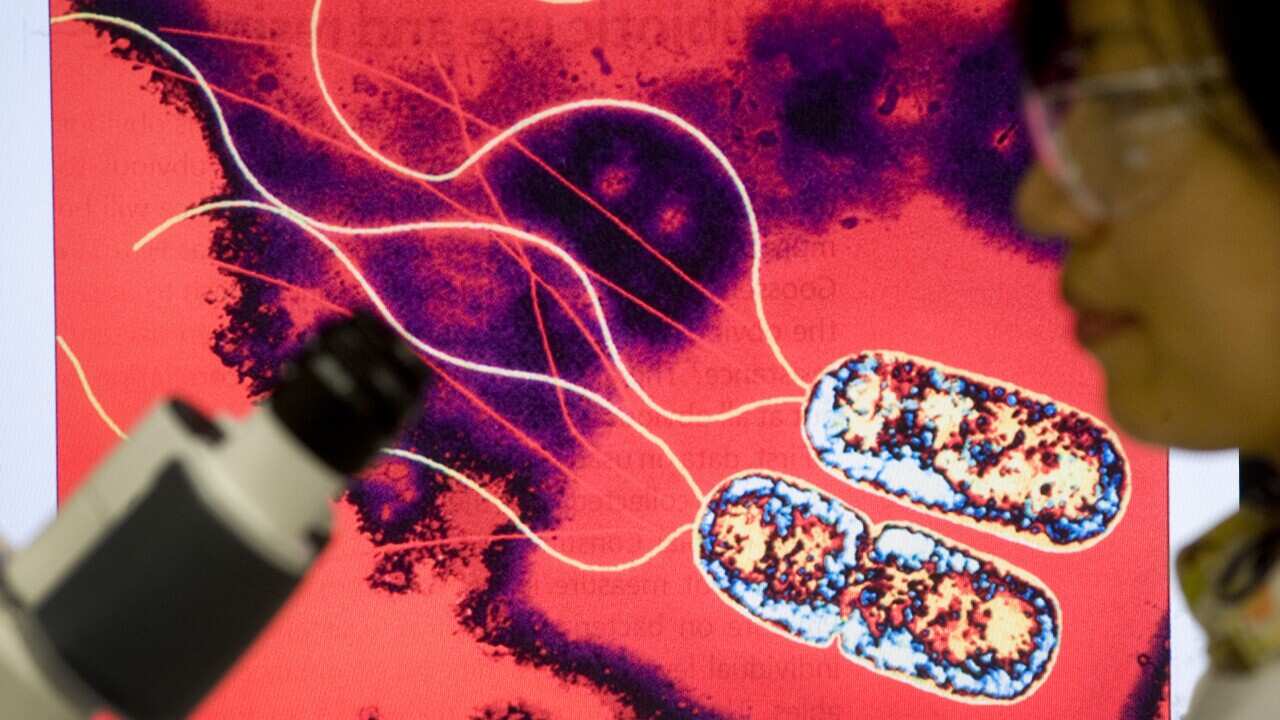
Up to 80,000 people could die in an outbreak of a drug-resistant infection because of new superbugs, a British government forecast warns.
The report estimates that a total of 200,000 people would be expected to be infected by a widespread bacterial blood infection that could not be treated effectively with existing drugs.
Over the next two decades, the number of infections complicated by superbugs are expected to rise significantly, according to a Cabinet Office document.
The National Risk Register of Civil Emergencies, which provides guidance on potential threats such as terror, flu and natural disasters, notes that routine medical treatments could become "high-risk" because of the growing resistance to antibiotics.
The report states: "An increasingly serious issue is the development and spread of AMR (anti microbial resistance), which occurs when drugs are no longer effective in treating infections caused by micro-organisms.
"Without effective antibiotics, even minor surgery and routine operations could become high-risk procedures, leading to increased duration of illness and ultimately premature mortality.
"Much of modern medicine (for example, organ transplantation, bowel surgery and some cancer treatments) may become unsafe due to the risk of infection.
"In addition, influenza pandemics would become more serious without effective treatments."
The assessment, which was published on March 27, continues: "The numbers of infections complicated by AMR are expected to increase markedly over the next 20 years.
"If a widespread outbreak were to occur, we could expect around 200,000 people to be affected by a bacterial blood infection that could not be treated effectively with existing drugs, and around 80,000 of these people might die.
"High numbers of deaths could also be expected from other forms of antimicrobial resistant infection."
Politicians and scientists have previously warned of the need to find a cure for infections that have become resistant, with Prime Minister David Cameron stating it was a "very real and worrying threat" that could send medicine "back into the dark ages".
Professor Dame Sally Davies, chief medical officer for England, said last year: "The world simply cannot afford not to take action to tackle the alarming rise in resistance to antibiotics and other antimicrobial drugs we are witnessing at the moment".
Share


