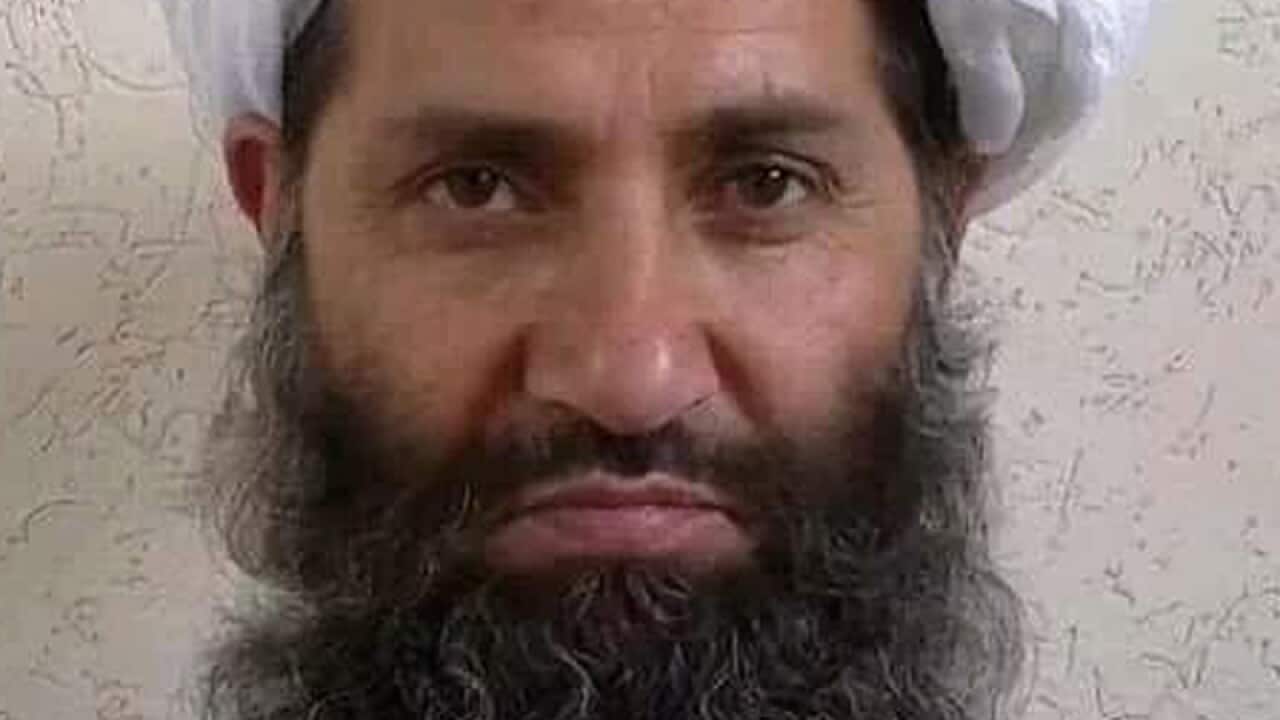
The Taliban's appointment of Mullah Haibatullah Akhundzada as its new leader has raised questions about the future of the insurgent group, both internally and in its relations with Kabul.
The Afghan government says the group should use this opportunity to disarm and join the peace table.
"The latest developments offer Taliban groups yet another opportunity to end and renounce violence, lay down their arms, and resume a normal and peaceful life," said Zafar Hashimi, a spokesman for Afghan President Ashraf Ghani.
If they don't, "they will face the fate of their leadership," Hashimi said, referring to former Taliban leader Mullah Akhtar Mansour.
The Taliban said on Wednesday that Mansour had been killed in a US airstrike, confirming previous announcements by the US government, the Afghan government and its spy agency.
News that makes sense
Your trusted source for staying up-to-date with the world around you. Get free daily news updates and analysis, straight to your inbox.
Mansour took over the helm of the Taliban after the death of Mullah Omar became public in July of last year. Akhundzada was chosen as his deputy at the time.
"It will be a wait in vain to expect that (the) Taliban's new leadership will favour peace talks," Bashir Ahmad Bizhan, a Kabul based political analyst, says.
Akhundzada favours war over peace and "killing over living," Bizhan added.
But after serving as the chief justice during the Taliban regime, both in Kandahar and in Kabul, the new leader could, some say, unite the Taliban after the group fractured under the leadership of Mansour.
Bizhan says Akhundzada was chosen as Mansoor's deputy due to character similarities with the late leader, but the analyst does not think he will be able to unify the fractured group.
Other analysts disagree, saying that Akhundzada's religious background and scholarly function may be able to mend broken fences.
Ahmad Saedi, a political analyst in Kabul, says the Taliban's new leader was chosen because he was very close to Mansour and a religious scholar "who is favoured amongst Taliban commanders."
"The respect he has among the Taliban ranks" could lead to unity, said Qalamuddin Qalam, a former Taliban and member of Afghanistan's High Peace Council.
According to Saedi, Akhundzada and his followers will launch an aggressive offensive against the Kabul administration over the next month to show that, although "Mullah Mansoor is dead, the Taliban are far from that."







