
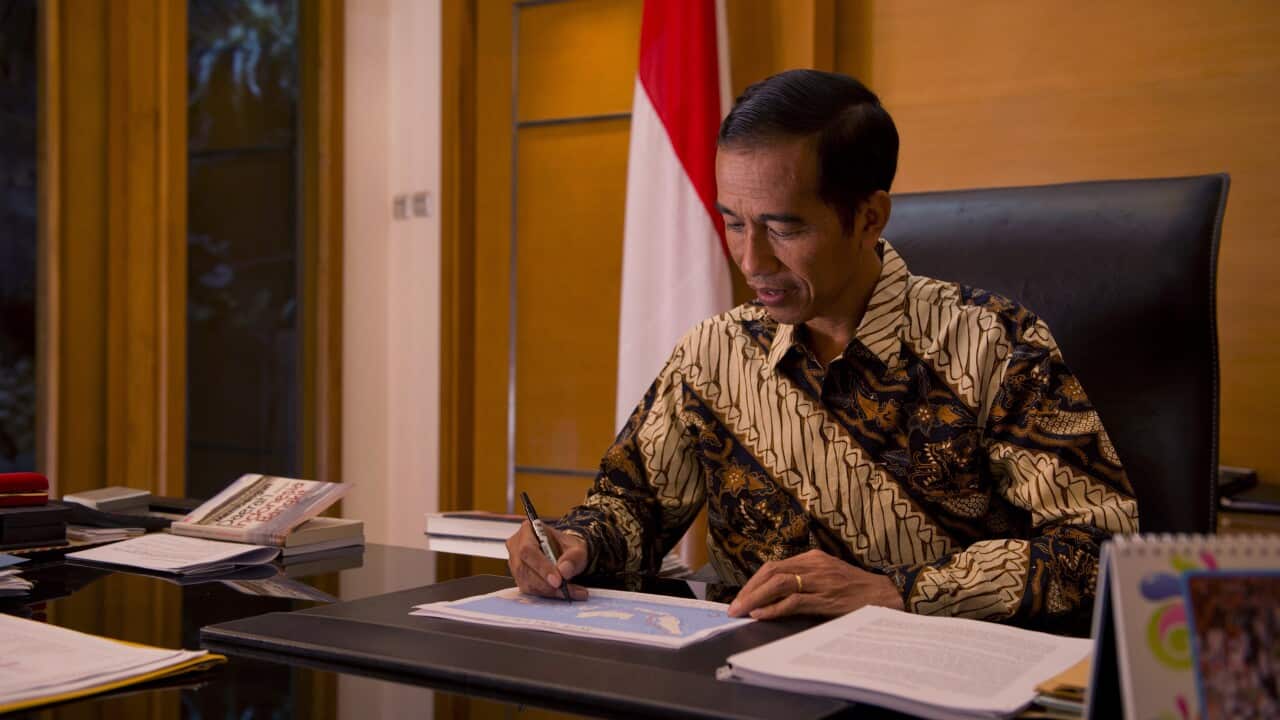
The Red-and White Coalition last week passed the Regional Election (Pilkada) bill into law, which eradicates direct elections at the regional level so that regional legislative councils elect regional leaders, instead of the people.
“This reflects a desire to return to the old pre-democratic model under Soeharto where political elite controlled power in the country,” said Professor Tim Lindsey, director of the Centre for Indonesian Law, Islam and Society at the Melbourne Law School at the University of Melbourne.
Extended interview: Professor Tim Lindsey
The coalition was able to pass the bill into law when President Yudhoyono’s Democratic Party walked out of the House and the President allegedly did not have the opportunity to weigh in on the process during his visit to the UN in New York last week – a detail that is contested.
“SBY [Yudhoyono] is the party chief so yes, he could have done more to stop [the law from being passed],” said Australian-Indonesian Doctor Vannessa Hearman, lecturer of Indonesian Studies at the University of Sydney.
The coalition forms a majority within the House of Representatives at 292 seats of a total 560.
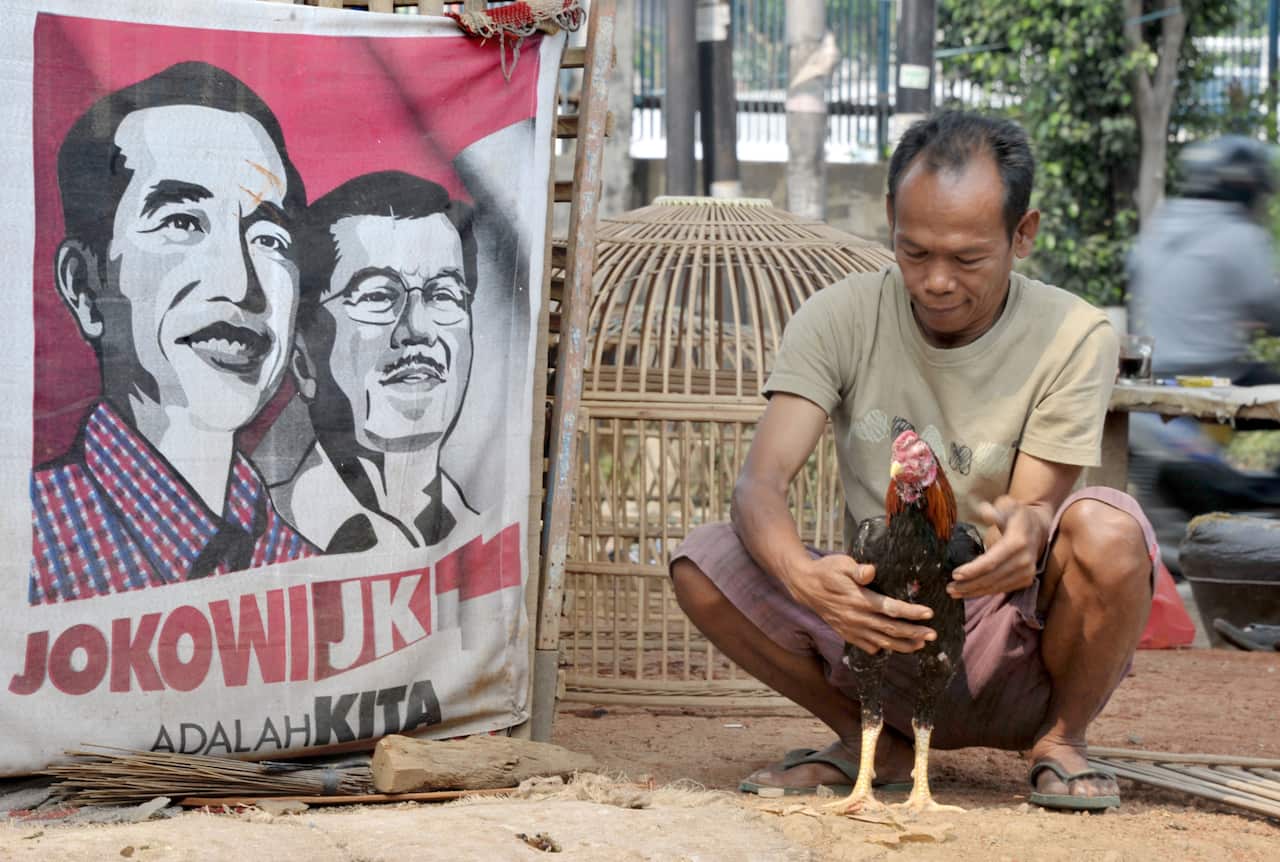
It is composed of parties, including the Golkar Party led by tycoon Aburizal Bakrie, which back the sore-losing and controversial presidential candidate Prabowo Subianto, who is known for his connection to Soeharto, his involvement in kidnappings of pro-democracy activists during the 1998 Revolusi, and his dismissal from the military before self-exile to Jordan.
Indonesians are skeptical of Prabowo’s motives, especially after he claimed that his election loss, which was monitored closely by Indonesia’s public, resulted from “massive cheating” that was “structured and systematic”. The Constitutional Court reviewed the public’s votes and determined his claims are untrue.
Outgoing President Susilo Bambang Yudhoyono has issued two government regulations, known as Perppu, to reverse the anti-democratic Regional Election Law.
Next three months 'critical' to ensure Indonesia’s democracy
The replacement will take three months to take effect, by which time Professor Lindsey says Jokowi needs majority support within the House to prevent the coalition from annulling the annulment of the anti-democratic law, which could lead to further undemocratic manoeuvres.
“In the next three months as the new legislature comes into place, the big question is whether the incoming president, Jokowi, will be able to pull away parties from Prabowo’s coalition to his own side such as when this law comes up again they will be able to defeat Prabowo’s coalition.”
Professor Lindsey says the longer it takes for the annulment of the indirect election law to take effect, the better.
“It gives more time for Jokowi’s coalition to pull numbers away from Prabowo’s Red-and-White Coalition. It really does come down to a numbers battle for direct elections in Indonesia.”
The anti-democratic law, if Jokowi cannot claim a majority in the House and it comes back in to effect, potentially affects other regulations, such as the law on the election of the president and vice-president, Wahyudi Djafar of the Institute for Policy Research and Advocacy in Indonesia, told The Jakarta Post.
Professor Lindsey agreed: “If the Red-and-White Coalition is successful, it will be catastrophic not just for Jokowi, but also Indonesia.”
'I feel angry and betrayed'
The 240-million-populated republic is the third largest democracy in the world and the democracy with the largest Muslim population, something its people do not take lightly after decades of oppression and the bloody sacrifices of the Revolusi that led Indonesia into a democratic state.
“I feel angry and betrayed,” said Diah Kusumaningrum who is organising a series of non-violent protests against the Red-and White Coalition, dubbed as “wakes”, around the world that began recently in Perth, Australia. “Like most Indonesians, I voted for people who I thought would best represent my interests.
“My fellow Indonesians and I never gave any mandates to eliminate direct elections. So, on top of this being a violation of our political rights, this is a violation of trust.
“It puts Indonesia's democracy, which we struggled for so passionately for decades, at stake.”
However, Professor Lindsey believes it is possible that Jokowi can get mass support in the House within the next three months.
“[The threat to democracy] really depends on whether the Red-and-White Coalition can maintain a majority in the new legislature, and I think [Prabowo] will find that very difficult.
“There are already parties in his coalition of which members are speaking already of swapping sides,” he said.
Separately, Dr Hearman said it could be difficult for Jokowi to gain the larger part of the House that he needed to continue the country’s democracy.
“If regional leaders are unsympathetic to Jokowi as a result of being supported by Red-White parties, he can't hope for support from his policies from regional leaders,” Dr Hearman said.
“He then has to contend with an unfriendly House of Representatives, regional parliaments and regional government leaders as well.”





