One of the possible compromises on a same-sex marriage plebiscite is like "putting lipstick on a pig", Labor says.
Attorney-General George Brandis says the government is prepared to talk to the opposition about changes to the plebiscite-enabling bill, which faces likely defeat in the Senate.
One of the possible changes could be making the bill self-executing, meaning it would not need to come back to the parliament for a vote after the public vote in order for marriage laws to be changed.
This would avoid the possibility of the yes case winning, but coalition MPs exercising a conscience vote against the law change in parliament.
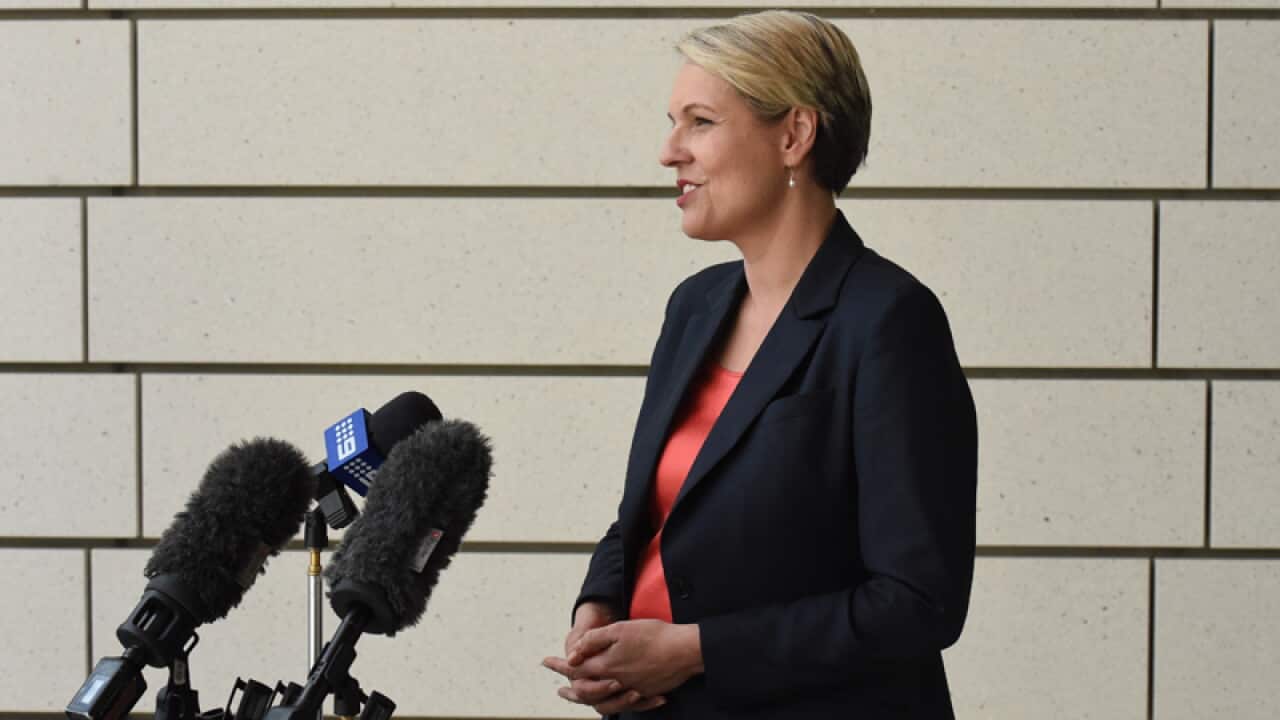
"We are now talking about how to put lipstick on a pig," acting Labor leader Tanya Plibersek said of the suggestion on Monday.
News that makes sense
Your trusted source for staying up-to-date with the world around you. Get free daily news updates and analysis, straight to your inbox.
The plebiscite idea itself was fundamentally flawed, because of the cost, the legal precedent it sets and the divisive nature of the debate, she said.
Ms Plibersek said she was not aware of any Labor MP or senator who was in favour of the plebiscite.
Shadow attorney-general Mark Dreyfus said there had been no direct contact from the government about a possible compromise, despite Labor's support being crucial to the February 11 national vote going ahead.
"It's a surprising sort of overture to suggest they might be open to negotiating when the government's shown zero interest to negotiating in the 13 months since this plebiscite was first suggested," Mr Dreyfus told ABC radio.
Liberal MP Craig Kelly said it was in the nation's interest for Labor to support the plebiscite, which was a "black and white" issue.
"If the parliament rejects it the first time ... we should put it up again next year," Mr Kelly told Sky News.
"And if it doesn't work out, let's put up a new date for the following year.
"And if that doesn't happen, we also have the following election."
Constitutional law expert George Williams says the plebiscite may be open to a High Court challenge because it asks a general question about people's support for same-sex marriage rather than the specific changes to the law, as in a referendum.
Giving $15 million of taxpayer money to the "yes" and "no" cases might be in line with what happened in the republic vote but it goes against the federal law governing referendums, Prof Williams writes in Fairfax Media.
A third potential obstacle is its non-binding nature, meaning it's up to parliament to interpret the result.
"This undermines the value of holding the vote, and could prove fraught in light of uncertainties with what Australians have voted to support," Prof Williams writes.
"Even if the prime minister somehow convinces parliament to pass his bill, he might yet find his plebiscite derailed."







