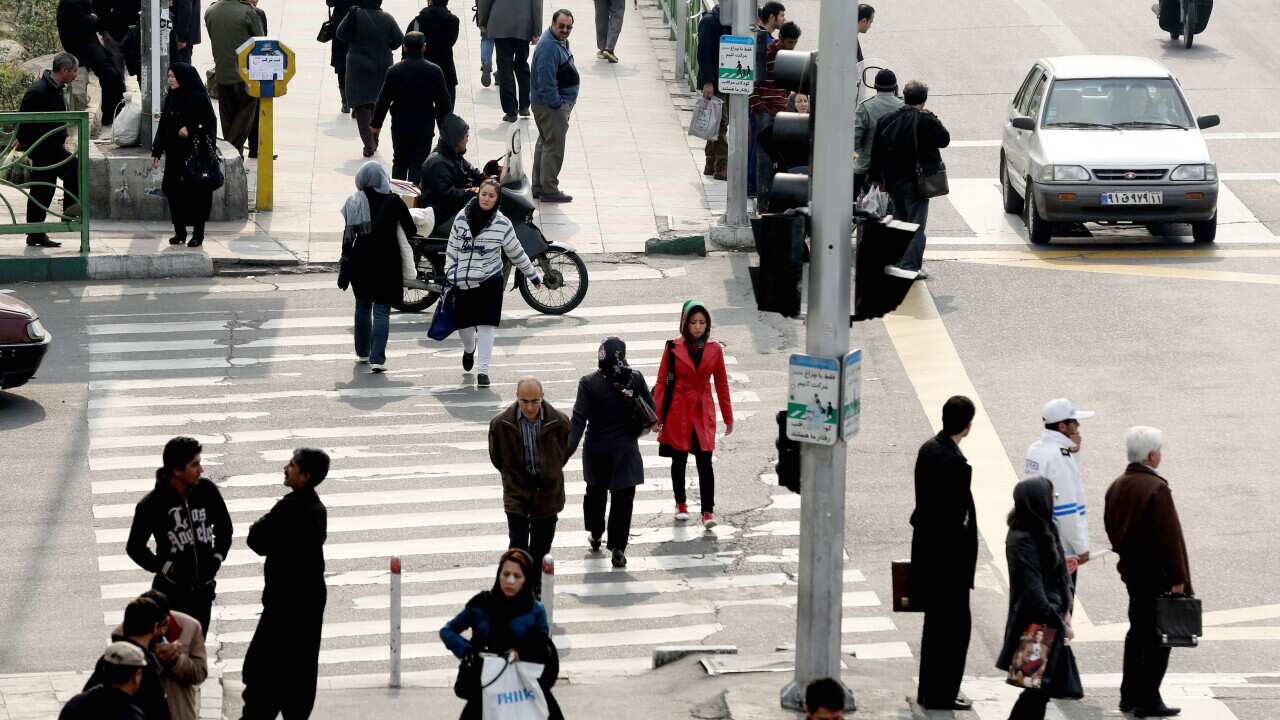
Iran agreed to curb its nuclear program for the next six months in exchange for limited sanctions relief.
It follows talks in Geneva with the five permanent members of the United Nations Security Council and Germany.
The negotiators hope to reach a more permanent, comprehensive deal later this year.
News that makes sense
Your trusted source for staying up-to-date with the world around you. Get free daily news updates and analysis, straight to your inbox.
Israel and much of the West worry that Iran's nuclear program serves as a guise for a weapons drive, while Iran denies the claim and insists it is only for civilian purposes.
Maria Rost Rublee is an international security expert from the Australia National University.
She told Santilla Chingaipe why Israel and some Gulf states might be opposed to the deal.
(Click on audio tab above to hear full item)







