
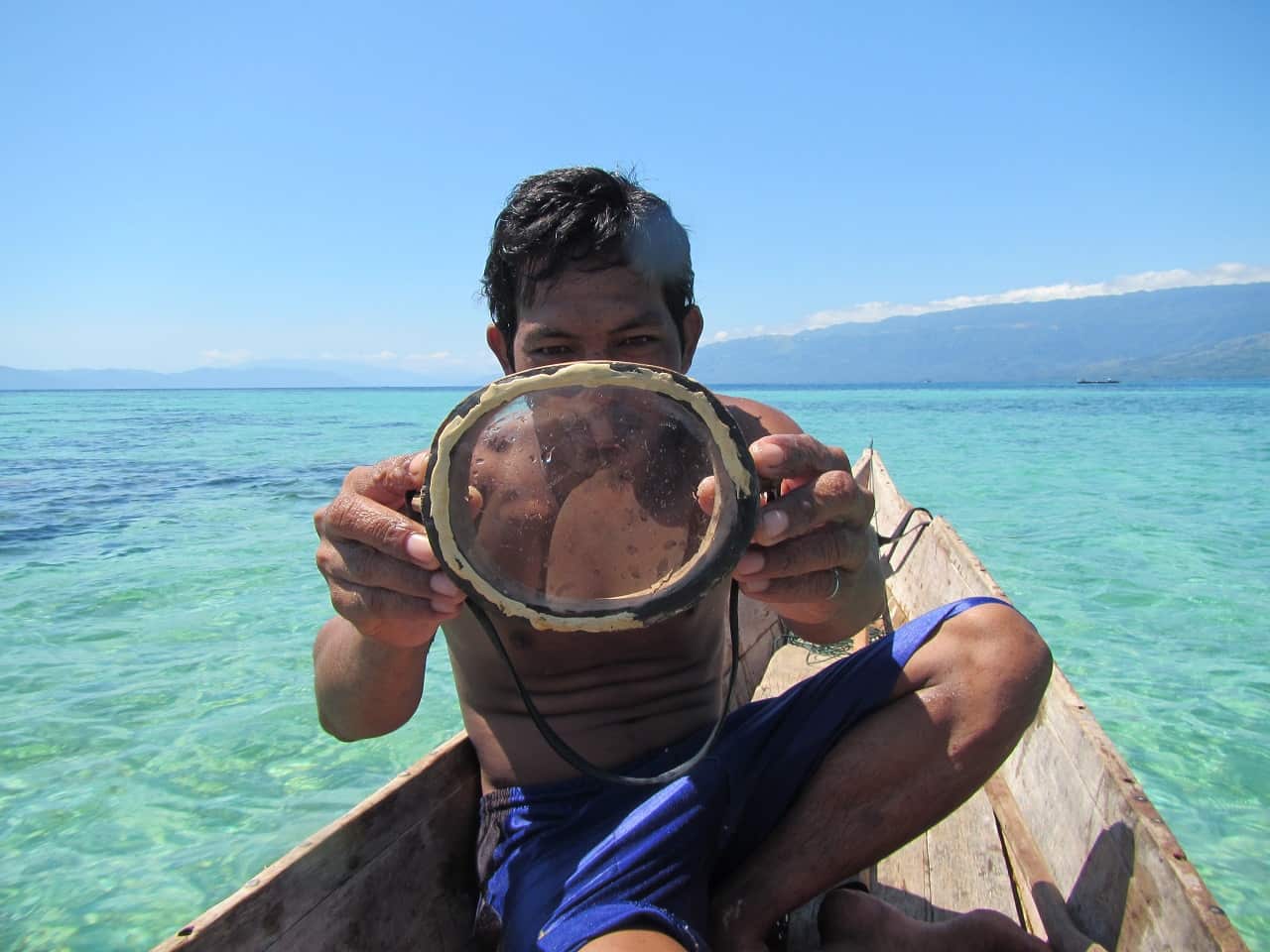
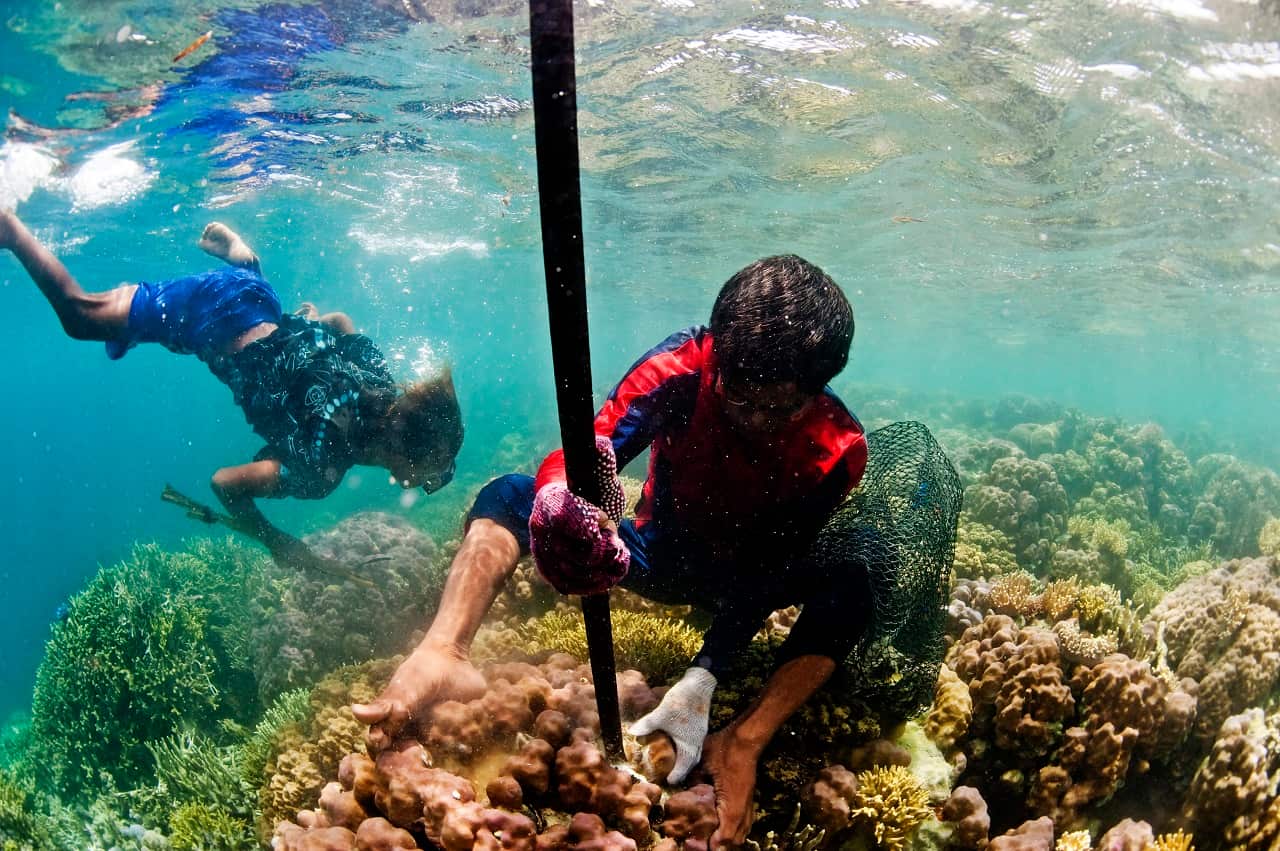
The spear-fishing Bajau people regularly free-dive to depths of up to 70 metres, with only weights and a wooden mask.
They spend up to 60 per cent of their work day diving for fish, spearing octopus and gathering crustaceans - an amount of time rivaled only by sea otters - and can stay underwater up to 13 minutes at a time, said the report in the journal Cell.
Intrigued by this unusual ability, American researcher Melissa Ilardo, then a post doctoral candidate at the Centre for GeoGenetics at the University of Copenhagen, wondered if they had genetically adapted somehow to be able to spend more time underwater than other people.
News that makes sense
Your trusted source for staying up-to-date with the world around you. Get free daily news updates and analysis, straight to your inbox.
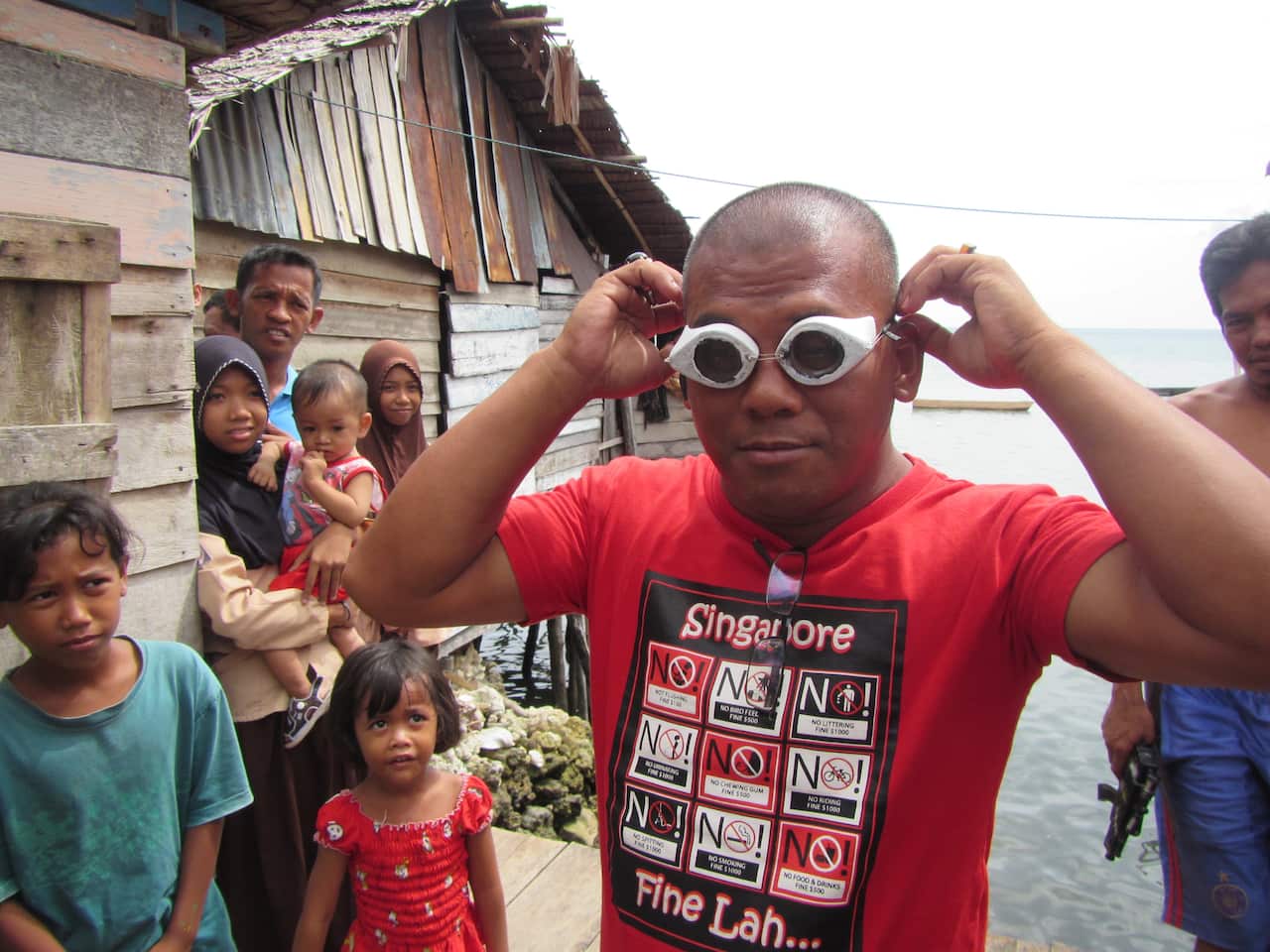
She spent several months in Jaya Bakti, Indonesia, with the help of a translator, getting to know the Bajau and another nearby group that did not dive, the Saluan.
"I actually expected them to be really resistant to the idea, because I don't know how I would feel about someone just showing up and asking to take ultrasound images of my spleen or take my DNA," she told SBS News.
"But they were actually really surprisingly open to it so it took very little convincing. I thought it was going to be more of a battle, but they were really excited about it, especially once they understood what it was that I was interested in."
On her second trip she took with her a portable ultrasound machine and kits for collecting DNA from saliva.
Scans and gene tests
She took genetic samples and did ultrasound scans, which showed that Bajau had spleens about 50 per cent larger than the Saluan.
Spleens are important in diving -- and are also enlarged in some seals -- because they release more oxygen into the blood when the body is under stress, or a person is holding their breath underwater.
Spleens were larger in the Bajau people whether they were regular divers or not, and further analysis of their DNA revealed why.
"I was pleasantly surprised to find the difference in spleen size - that's what we were hoping for," Ms Illardo said.
"I think the most surprising part was the genetic component that underlies that physiological adaptation and that seems to be connected to thyroid hormone levels. And that wasn't something we were really expecting to find.
"It seems to be an adaption to a lifestyle rather than an environmental condition."
Comparing the genomes of the Bajau to two different populations, the Saluan and the Han Chinese, scientists found 25 sites that differed significantly.
Among them was one site on a gene known as PDE10A, which was determined to be linked to the Bajau's larger spleen size.
In mice, "PDE10A is known for regulating a thyroid hormone that controls spleen size, lending support for the idea that the Bajau might have evolved the spleen size necessary to sustain their long and frequent dives,' said the study.
More research is needed to understand how thyroid hormone affects human spleen size.
The findings could boost research in medicine by helping researchers understand how the body reacts to a loss of oxygen in various contexts, from diving to high-latitude climbing to surgery and lung disease.
"This really tells us how valuable and important indigenous populations are around the world that are living extreme lifestyles," said co-author Eske Willerslev, a professor at the University of Copenhagen.
Ms Illardo says the findings of the study could be used to help patients with hypoxia, a temporary oxygen deficiency.
"I've spoken with some physicians and anesthesiologists and it seems to be that in a lot of critical care situations there's a sudden drop in oxygen and it seems that patients respond to this change in very different ways and we're not entirely sure why there's such a difference in the response between individuals.
"And it could be that there is some genetic variation underlying those differences. And it could be that this research with the Bajau helps us understand those differences better."
Willerslev admitted he initially urged Ilardo not to pursue the research for her PhD thesis, believing it was too risky and that she may find nothing.
"She said she wanted to do it anyway and that paid off. Melissa was right and our concerns were wrong."
Ilardo said she was aware of the risks but "believed so strongly in this project," that she had to push on.
"The Bajau and other Sea Nomads are simply extraordinary and I wanted to be able to prove that to the world," said Ilardo, now a US National Institutes of Health postdoctoral scholar at the department of Molecular Medicine at the University of Utah.







