Key Points
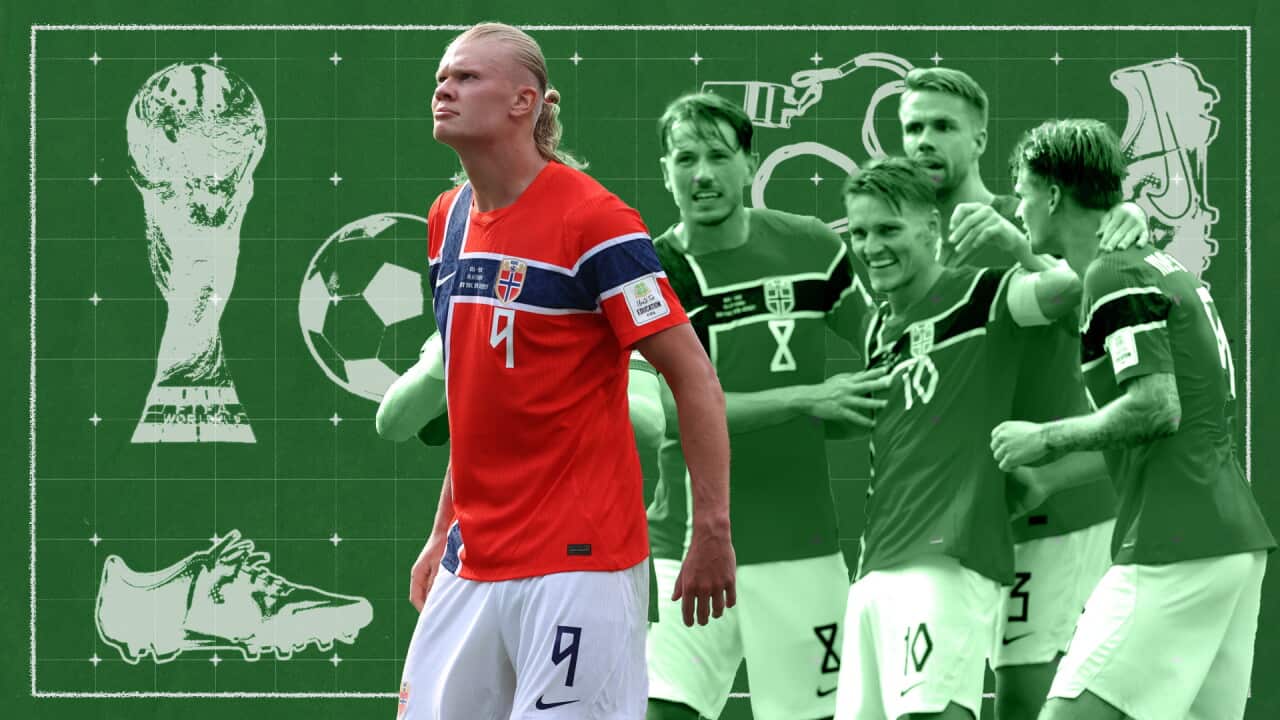
- On Monday, Norway beat Brazil 2-1 in the Round of 16 match at the FIFA World Cup.
- Their victory has left experts wondering whether the world can learn from Norway's approach to youth sport.
When it comes to the world of sport, Ryan Worn believes Norway is playing the long game.
The Nordic nation has a population of roughly 5.6 million, about the size as Melbourne. Its population is about 38 times less than Brazil, the most successful nation in FIFA World Cup history.
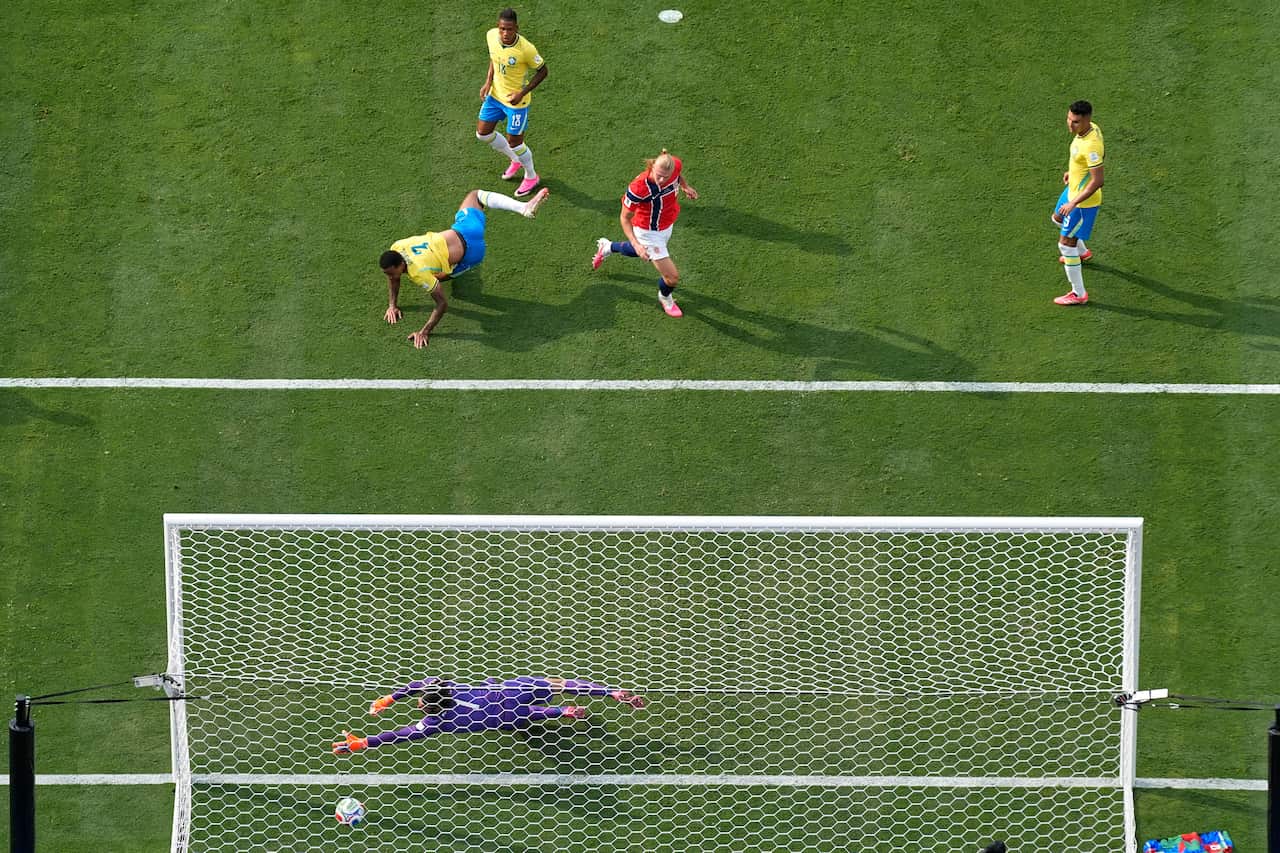
But that didn't stop two goals from Norwegian striker Erling Braut Haaland from knocking Brazil out of the tournament on Monday. Norway's 2-1 victory also marked Brazil's earliest World Cup exit since 1990.
Having missed out on the tournament for 28 years, Norway is now on its deepest ever run and will face England in the quarter-finals on Sunday.
Football is not the only sport where the country is over-performing, with dominant displays in snow sports and a women's handball team that holds the 'triple-crown' of European, World and Olympic victories.
News that makes sense
Your trusted source for staying up-to-date with the world around you. Get free daily news updates and analysis, straight to your inbox.
Worn, a senior lecturer in exercise and sport science at Federation University, attributed the historic win against Brazil to Norway's unique youth sports strategy, which has been in place for decades.
"In Australia, if you're a good nine-year-old [footballer], you might get selected to go into a junior academy. Then, you get the best coaches, you get the best pitches to play on ... that's not the case in Norway," Worn told SBS News.
"Their key player, Haaland, he played for his [local] club until he became a professional. So they're playing in this club level support that's well supported ... they play more sports for longer before specialising."
The Norwegian paradox
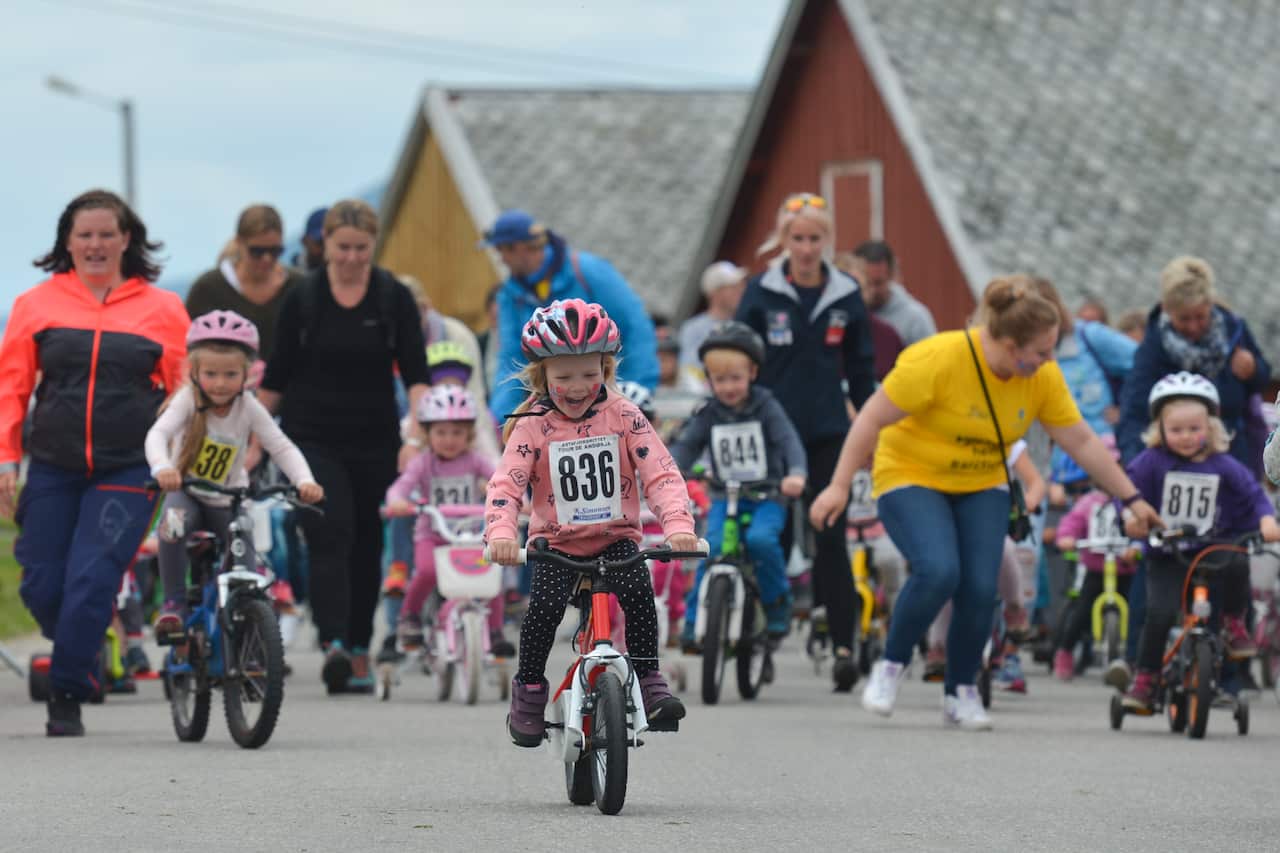
In Norway, this approach to youth sport is known as Idrettsglede — the joy of sport for all. It's designed to keep Norwegians active by encouraging children to sample different sports and discouraging early specialisation.
Worn has studied this training model and said the focus is on enjoyment, rather than competition.
"Before the age of 13, there's no public league tables, no official match scores, no national rankings, and that's enshrined in law."
In Norway, young people have the right to participate in safe and secure training environments without "pressure or exploitation" under the Children's Rights in Sports framework.
Initial guidelines were introduced in 1976, with provisions based on a United Nations convention on the rights of children, adopted in 2007 (also updated in 2015 and 2019).
The most recent framework, published in 2019, reports that 93 per cent of Norwegian children and young people participated in organised sports during their childhood. It does not specify whether this participation includes school-related activities.
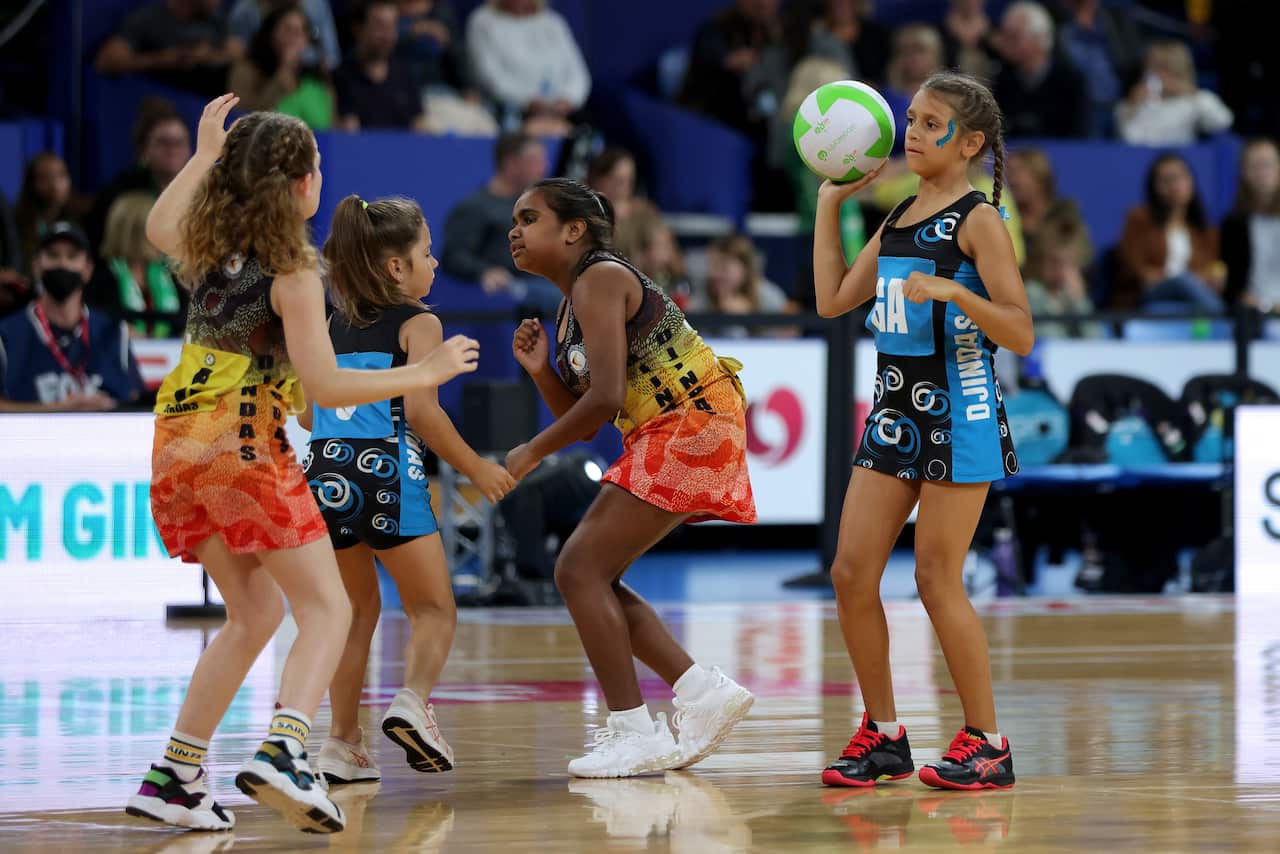
Comparatively, an estimated 38 per cent (over 1.8 million) Australian children aged 0-14 participate in organised sport-related activity at least once a week outside of school hours, according to 2025 government data.
Worn told SBS News that children can benefit from staying in sport for longer and by sampling a variety of activities:
"Early specialisation seldom leads to adult success, because you can't really predict adult success prior to maturation, because there are changes in height, weight, strength in bone mass."
Matti Clements is the director of the Australian Institute of Sport and visited Norway last year, where she witnessed this model first-hand.
"I really loved what they had, a culture of engaging in sport for all the benefits of sport, as an integral part of their community," Clements told SBS News.
"I actually think belonging to something is important at all levels of sport, inclusive of high-performance."
She believes that Australia can learn a lesson or two from Norway's approach:
"There seems to be an increasing focus that young people engage — or should be engaging in sport — because it's a pathway to elite sport ... going to an Olympic, Paralympic or Commonwealth Games should not be the reason you do it," she told SBS News.
Clements said that intensive training schedules can lead to burnout, physical and psychological damage or children stopping sport altogether. She alleged that decentring competition can create future sporting champions:
For every Tiger Woods, there's probably 100 kids that could have gone on to do great things at the elite level but dropped out because Mum and Dad were pressuring them too much.
"We focus on these one-off stories, and decide that is the only way to perform."
What lessons can Australia learn?
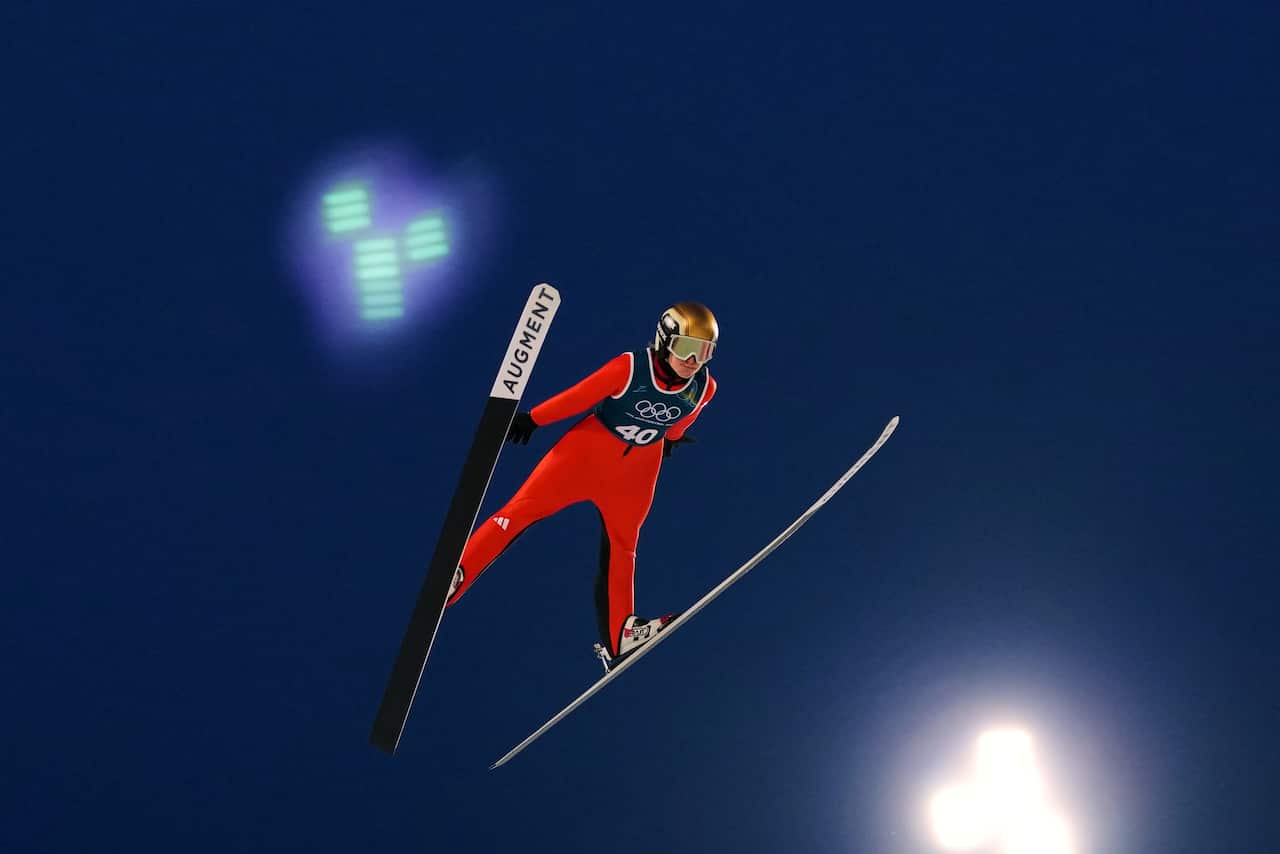
In February, Norwegians also made history at the Milano Cortina Winter Olympics.
Norway won the 2026 Winter Games, taking home 41 medals, including 18 gold medals — the most ever won by a single nation.
Carol Maher is a professor of population and digital health at Adelaide University and said that achievement stands as a testament to the success of Norway's model.
"It kind of shows that you can protect children from excessive pressure and still produce really elite athletes," Maher told SBS News.
However, she believes it would be difficult for Australia to implement Norway's youth sports model in its entirety.
"It would be challenging for Australia to directly emulate it because our sports landscape is different."
When it comes to scoring matches, Maher said "the reality is children tend to know, they'll keep track of the scores themselves, even if it's not officially scored."
Earlier this year, the Australian Institute of Sport released landmark guidelines on elite youth athletes, which provide recommendations on child safety and compliance across high-performance environments.
Worn from Federation University said while a changing approach to youth sport could be possible within clubs or associations, he believes competitiveness is firmly ingrained into Australian sporting culture:
"This is not a popular take, but we absolutely under-perform in football. I mean we have a large population ... far bigger than Norway, far bigger than Paraguay and these nations are doing really well."
However, there are some parallels in Australia with the Norwegian system. Junior football in Australia up to Under 12s is played in a "non-competitive" environment and involves "small-sided games" ranging from four-a-side to nine-a-side as the age groups progress. No match results are published and there are no points tables.
In junior Aussie rules, there are no match points recorded or competition ladders in age groups up to Under 11s.
Worn said New Zealand is starting to take a similar approach to Norway when it comes to youth sport. He attributed this change to the country's smaller population size.
"If you're somewhere, we'll take Brazil for example ... there's a much bigger pool to pull from. So, if you discard a talented player, there are 10 more to replace them.
"But when the population is really small, you can't do that, you have to allow multiple re-entry points. So, often it is tied to necessity."
For the latest from SBS News, download our app and subscribe to our newsletter.







