
James Blunt is upset. He has objected – in terms neither civil, nor particularly well-argued – to the suggestion from shadow culture secretary, Chris Bryant, that people from working-class backgrounds seem to be finding it harder to get into the creative industries.
Bryant’s mistake – at least in Blunt’s eyes – was to name-check him, along with actor Eddie Redmayne, as part of a public school-educated elite “dominating” our cultural life (Blunt went to Harrow, Redmayne to Eton).
Picking out individual examples as Bryant did is always likely to be problematic. For everyone who thinks Blunt was best left in the British Army, or mourns the absence of the “Albert Finneys and Glenda Jacksons”, as Chris Bryant does, there will be others who leap up to defend the acting talents of Benedict Cumberbatch, Dominic West or Eddie Redmayne.
And understandably so, as they are all fine actors. But it would take a monumental suspension of disbelief to argue that the majority of acting, singing or writing talent in this country “just happens” to be being fed through an infinitesimally small funnel of elite public schools.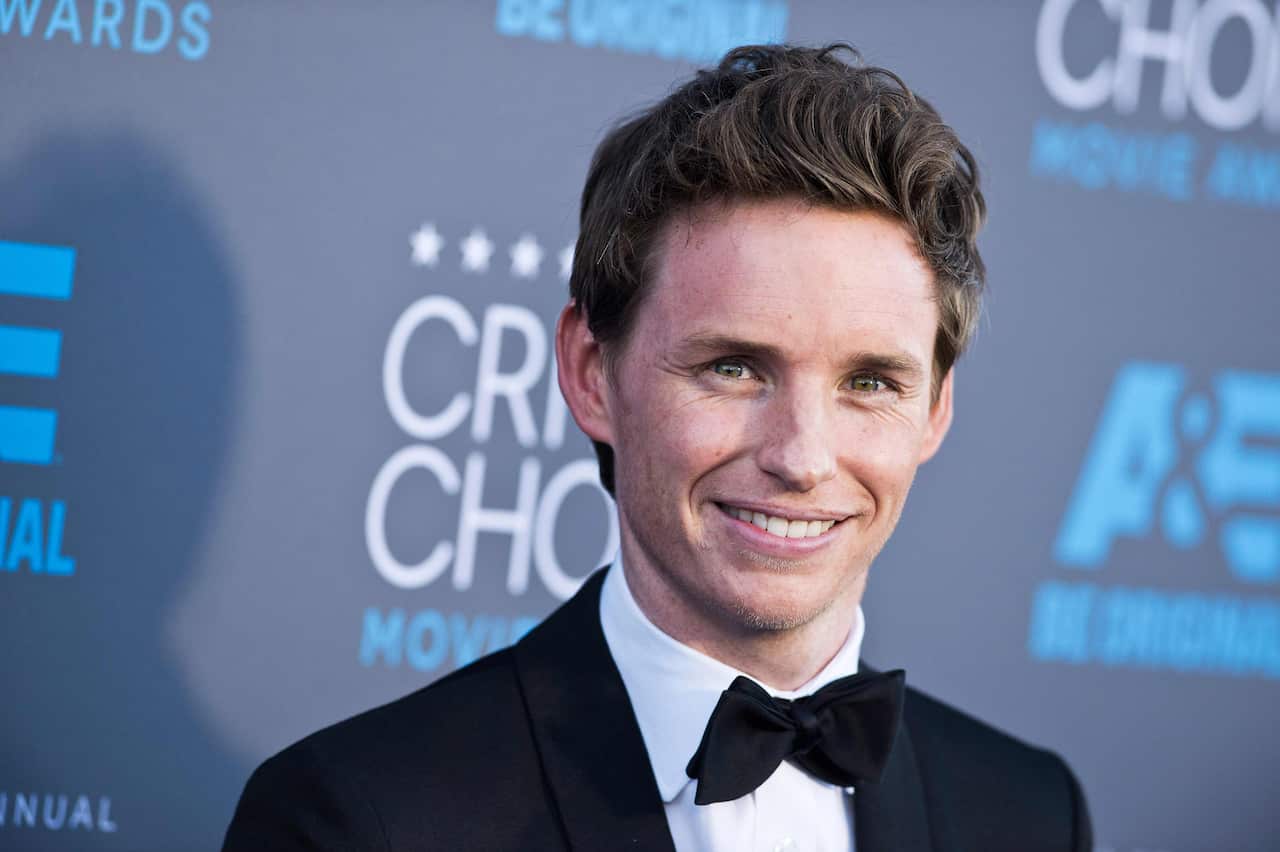
Eddie Redmayne.
So what’s going on? Contrary to Blunt’s argument that such concerns are just populism or that old right-wing favourite, “the politics of envy”, there is increasing evidence that the UK cultural industries are becoming more exclusive. This is not just in terms of class, but also gender and ethnicity. Such concerns have been raised both by academics and activists for some time.
Publicly available data shows part of the picture. The representation of black, Asian and minority ethnic (BAME) workers in the media industries was just 5.4% in 2012, down from 7.4% six years earlier – and in both cases a shocking under-representation given the concentration of these industries in London and the south-east, where the ethnic minority population is over 40%.
Women are also under-represented: around 36% of the media workforce were women in 2012, and they are concentrated in lower-status and lower-paid areas such as make-up, wardrobe and hairdressing. They are also more likely to be freelance and younger than their male counterparts, suggesting that the strain of staying in precarious work becomes unbearable as women age or take on caring responsibilities.
Publicly available data on class-based exclusion is much harder to come by, but studies of particular sectors show a clear pattern. As the Sutton Trust has reported, an increasing number of journalists, for example, are privately educated (54% as opposed to 7% of the population overall). And while the average journalist born in 1958 came from a family with an income 5.5% above the average; those born in 1970 came from families with an income 42.4% above average.
There are a variety of reasons for these deepening inequalities. Higher education now comes with a serious price tag attached. And while applications have not shown a dramatic fall-off overall (other than for part-time and mature students, among whom working-class students were often found) big debts make people think twice about entering risky professions. Pay in the cultural sectors has always been low for the majority, but the increased insistence on unpaid internships as an entry criterion is a deterrent for those with no family money to fall back on.
Trade unions have diminished in the media sectors as more casual employment patterns have taken hold. This leaves an oversupply of anxious individuals desperate to get a foothold in what are still seen as glamorous industries. The concentration of these industries within London and the south-east of England, the most expensive part of the UK for housing, increases this imbalance. Class exclusion is becoming a feature of cultural work, even as the sectors themselves expand in terms of employment.
Bryant’s solution is to get “everyone to take part in the arts”, a long-term Labour cultural policy aim and not an ignoble one. But without better pay, conditions and subsidised access to higher education and training it’s hard to see how taking kids on school trips to the theatre will solve the problem. There still won’t be a realistic chance of them making a living up there on the stage. Kate Oakley receives funding from Arts and Humanities Research Council
Share


