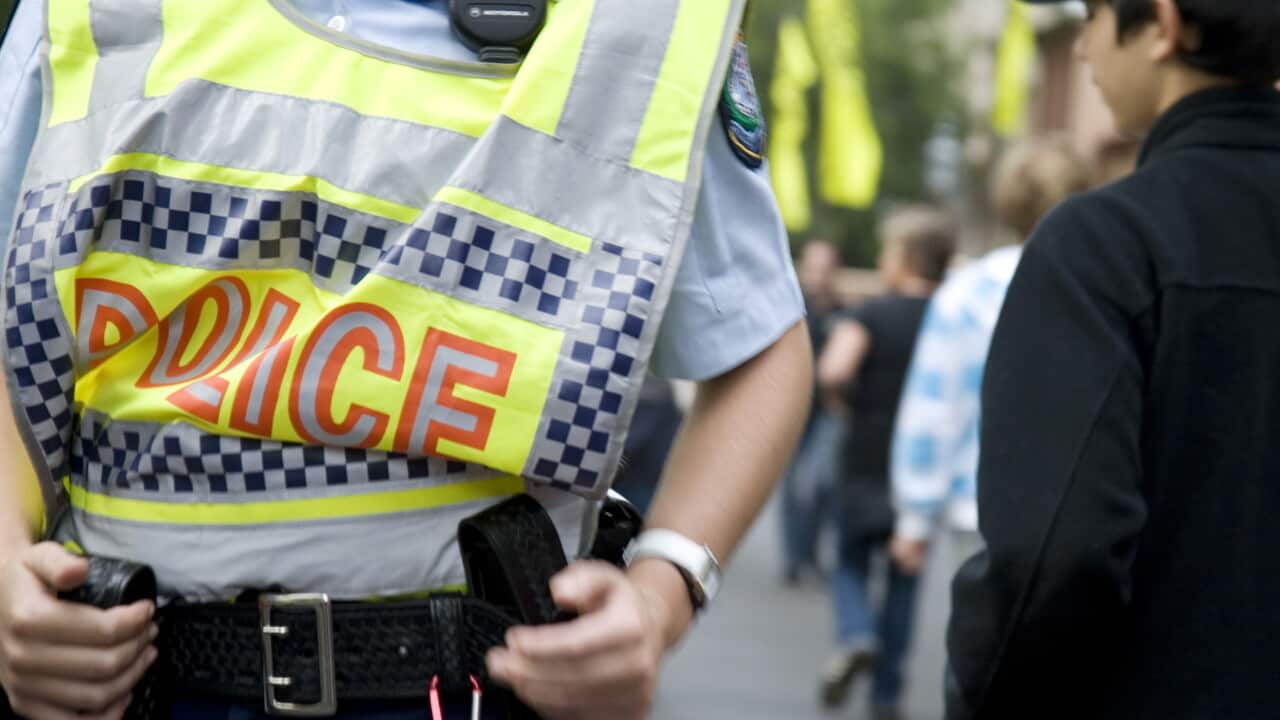
The comments come in the Commission's annual report which singled out efforts by the NSW police to create stronger policies and programs to work with multicultural communities.
NSW Police Deputy Commissioner Nick Kaldas says it's an integral and growing part of the force's duties.
“Somewhere between 25 and 30 per cent of the population of this state either speak another language at home or have one or more parents who were born overseas. For us to ignore that constituency would be bad obviously."The latest figures from the Department of Immigration show international student visa lodgements for the December quarter of 2013 were 11 per cent higher than in the same period a year earlier, prompting police to take a closer look at the safety of international students.
In 2012, the death at the hands of police by taser of Roberto Laudisio, a 21-year-old student from Brazil, triggered widespread condemnation from student groups and mental health advocates.
NSW Police decided to rethink how the force dealt with people in mental distress, and the impact language and cultural barriers played in policing vulnerable people.
News that makes sense
Your trusted source for staying up-to-date with the world around you. Get free daily news updates and analysis, straight to your inbox.
Corporate Spokesman for International Students, Detective Superintendent Gavin Dengate, said the NSW Police have been working hard to repair the broken trust created by the death of Roberto Laudisio.
"We want the kids to trust the police because we know that a number of kids come from places where the relationship between the police and the youth isn't what it is in Australia,” he said.
The steps taken by NSW Police to improve relations with international students have been commended by the NSW Community Relations Commission.
The Commission’s chair Vic Alhadeff said their policies could act as a template for other services working with multicultural communities.
"Police have emerged as setting a standard in tremendous work in working together with different communities in setting a message that multiculturalism is what we're about."
Dr Helen Forbes-Mewett is a Lecturer in Sociology at Monash University in Melbourne and she’s just completed a four-year study on International Student Safety from Crime.
One issue that's emerged in her study is the vulnerability of female students.
"While we've been seeing more media reports about violent crime from strangers in the public arena, much of the crime is by known persons against females in private spaces. Those crimes are quiet serious, but there's also a lot of petty type crime that goes on," she said.
Dr Helen Forbes-Mewett said in some ways the safety issues affecting international students were similar to those affecting anyone travelling to a foreign country.
"I sort of compare it to being a tourist," she said. "And as much as you try to blend in, a person who has not been in a country or an area for very long, does stand out even if it's not particularly visible characteristics. It's just the way we behave when we're in different places and it's that that makes us vulnerable."