
Athletes at the Olympics want to come first — but outside of getting over the line or getting the highest score, there have also been many other firsts at the Paris Games.
With four days to go, these are some of the highlights so far.
Australia's gold rush
Australia had its greatest-ever single day at an Olympic Games, raising its medal tally significantly.
Team Australia picked up four gold and two bronze medals on day 12 of the Olympics. The 18 gold medals on the board are a record for Australia, surpassing its previous top of 17 set in Athens in 2004 — a result that was repeated in Tokyo in 2021.
News that makes sense
Your trusted source for staying up-to-date with the world around you. Get free daily news updates and analysis, straight to your inbox.
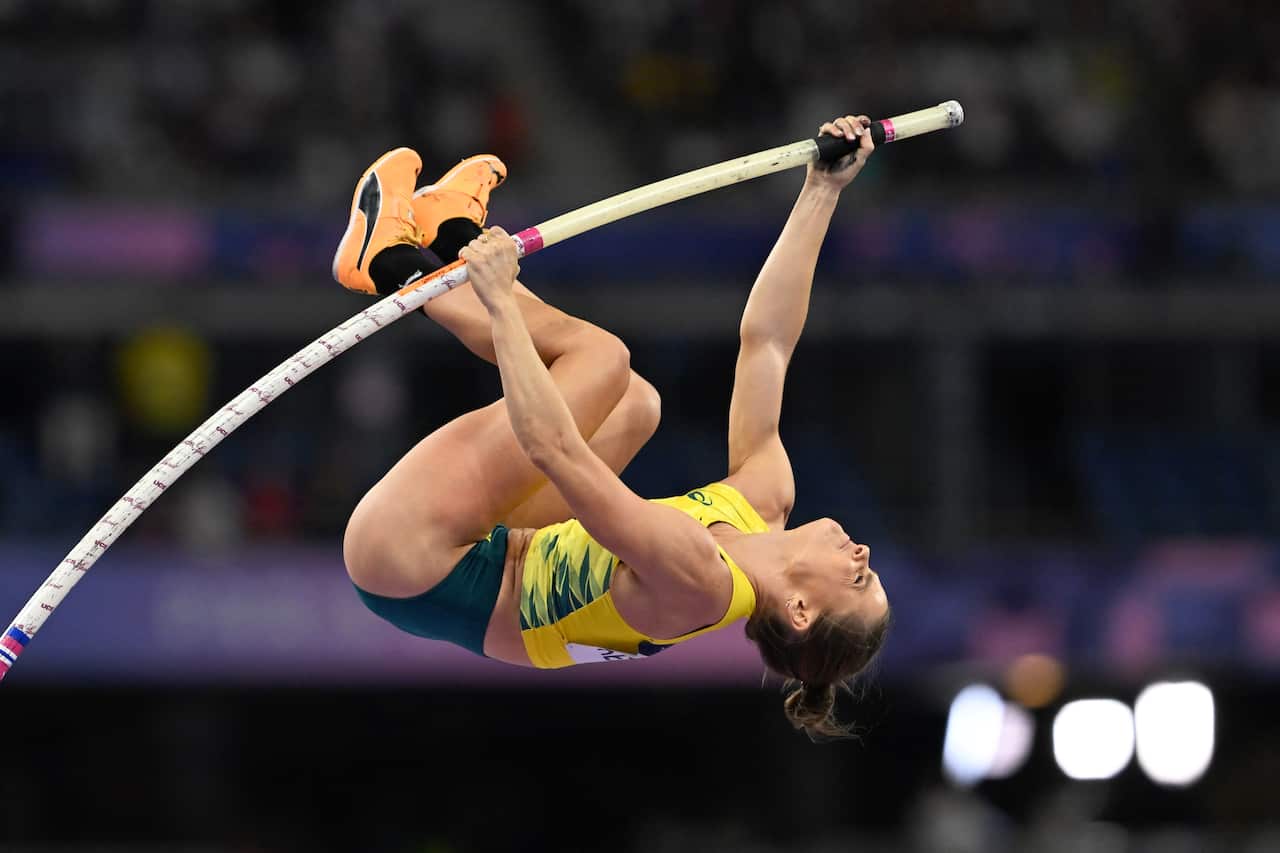
Among the gold medal winners was pole vaulter Nina Kennedy. She was the only vaulter to clear 4.90m, which saw her claim Australia's 18th gold medal.
Australia's men's team pursuit cycling team beat fierce rivals Great Britain in the final to win the Olympic gold medal for the first time in 20 years.
Skateboarder Keegan Palmer achieved the prodigious feat of spinning and twisting his way to his second Olympic gold medal at the age of 21. His win came a day after 14-year-old Arisa Trew took home the gold medal in the women's event.
And Matt Wearn dominated the men's dinghy race in Marseille to collect his second Olympic sailing gold medal. He won the same event at the Tokyo Olympics in 2021.
A nation's first Olympic medal
Sprinter Julien Alfred made history when she won gold in the women's 100m final in Paris.
The 23-year-old, from the Caribbean Island nation of St Lucia, not only became the country's first athlete to win an Olympic medal when she won the race, but three days later scored silver for the 200m.
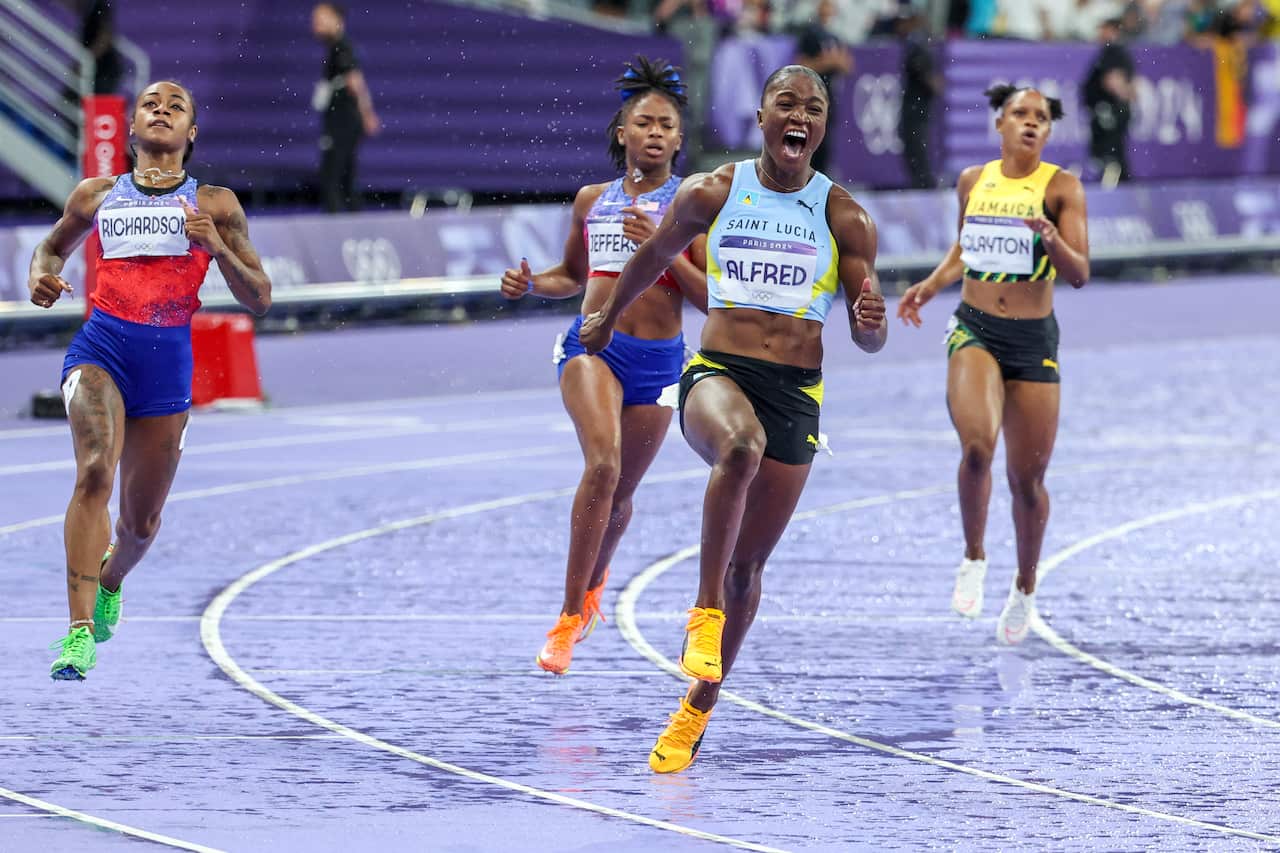
With a population of less than 200,000, Alfred's home country first participated in the 1996 Olympic Games in Atlanta.
Her time of 10.72 seconds in the 100m also set a national record.
Another Caribbean Island nation also celebrated its first Olympic medal — and it was also a gold.
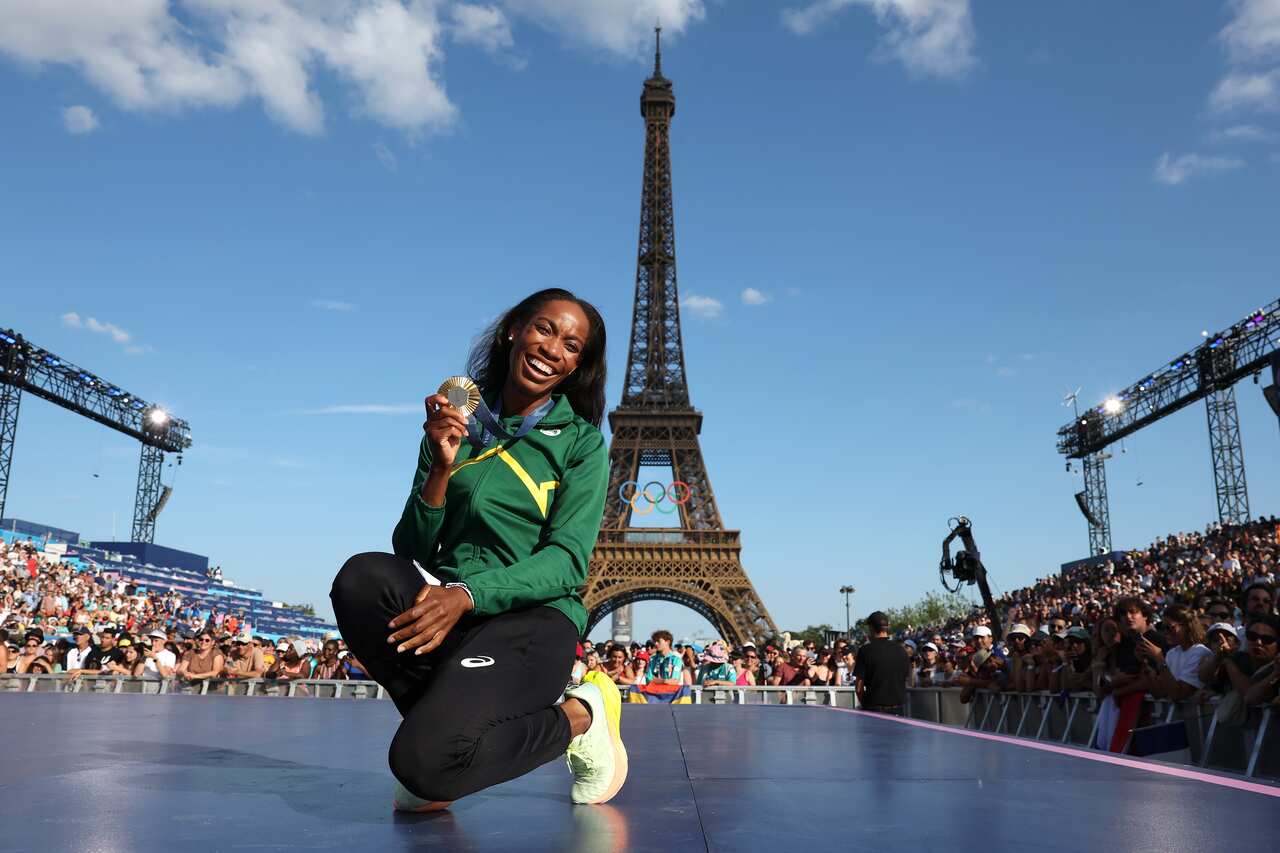
Dominica's Thea LaFond was the only woman in her competition to jump more than 15m in the women's triple jump to claim the medal.
Australia's youngest gold medallist
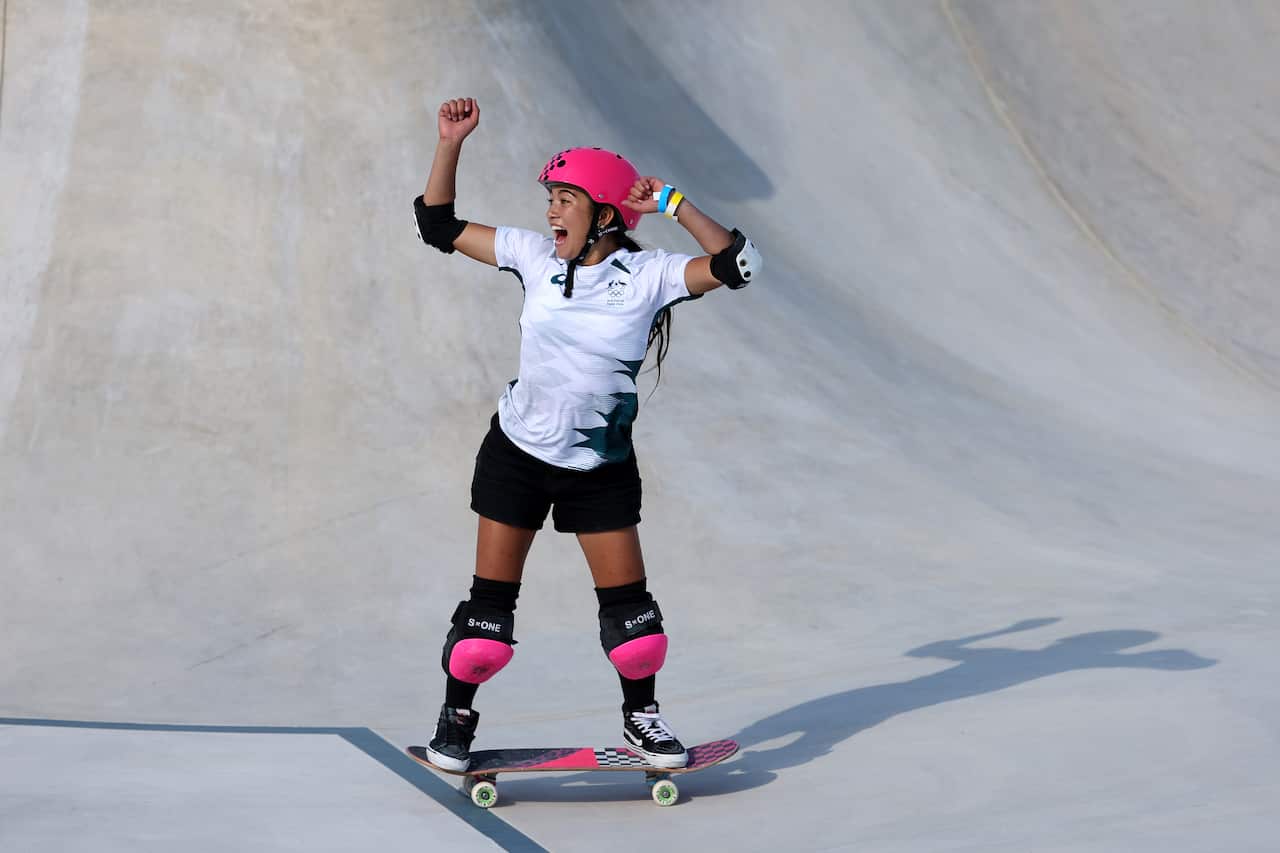
It would have been a school night for Australian skateboarder Arisa Trew's friends back home when the 14-year-old competed in the women's park skateboarding final in Paris, on day 11 of the Games.
The Cairns-born skater scored 93.18 on her third and final run to beat Japan's Cocona Hiraki who was on 92.63 and Great Britain's Sky Brown on 92.31.
Aged 14 years and 86 days, Trew eclipsed Australia's previous youngest medallist, swimmer Sandra Morgan.
Morgan was 14 years and 184 days old when she won gold in the women's 4x100m freestyle relay at the 1956 Melbourne Olympics.
When asked about the national record she now held, Trew said it was "pretty insane".
A win for the Refugee Olympic Team
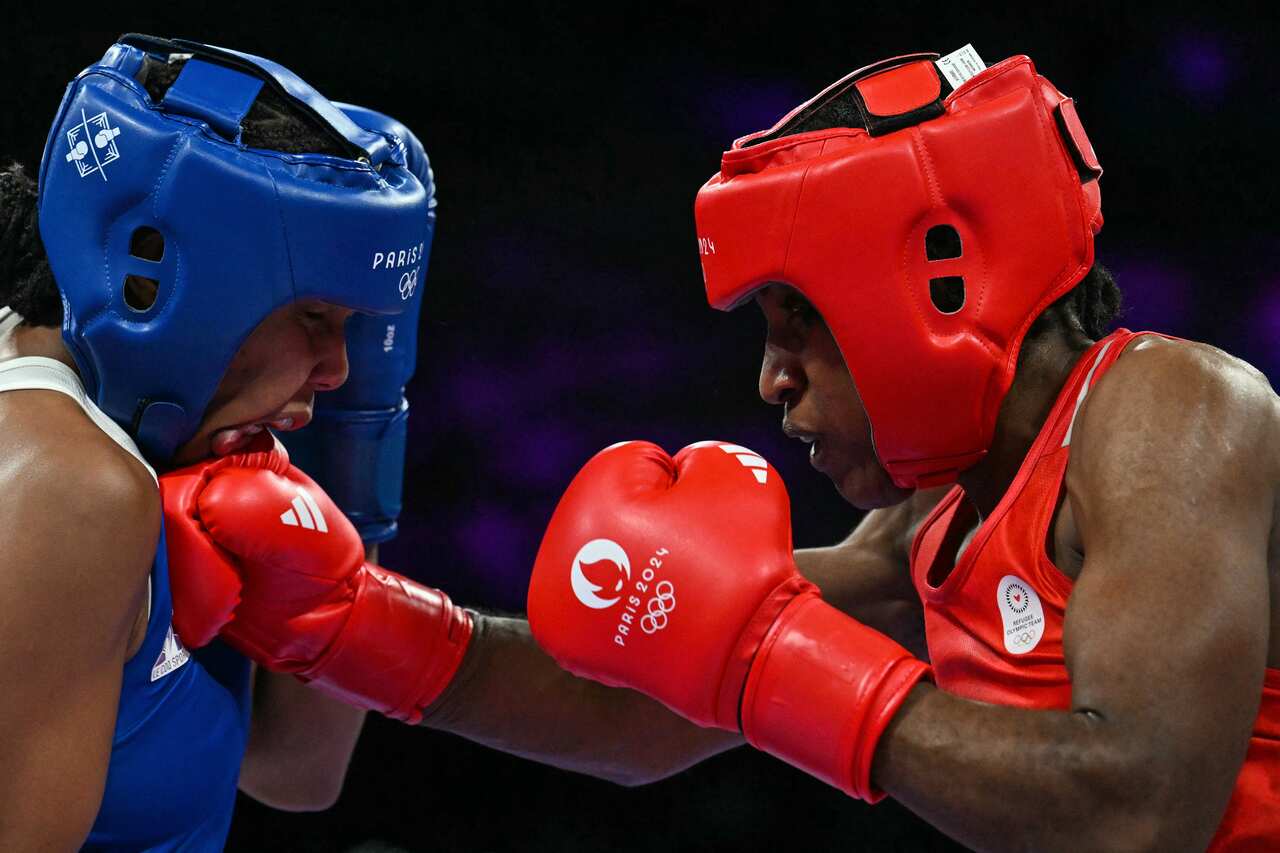
On Sunday, Cindy Ngamba won against France's Davina Michel to reach the women's 75kg boxing semi-finals. It was a result that guaranteed her a medal and saw her become the first-ever athlete from the Refugee Olympic Team to secure an Olympic medal.
Ngamba was born in Cameroon but has lived in the United Kingdom since she was a child. However, as a refugee, she does not have British citizenship; so is unable to represent Great Britain at the Games.
She is set to fight for a place in the gold medal match but even if she loses her next bout, Ngamba will have already made history, guaranteed a bronze for her efforts.
Host city firsts
Even before sporting events started, the 2024 Olympic Games had become the first to have an equal number of men and women listed to compete on its schedule.
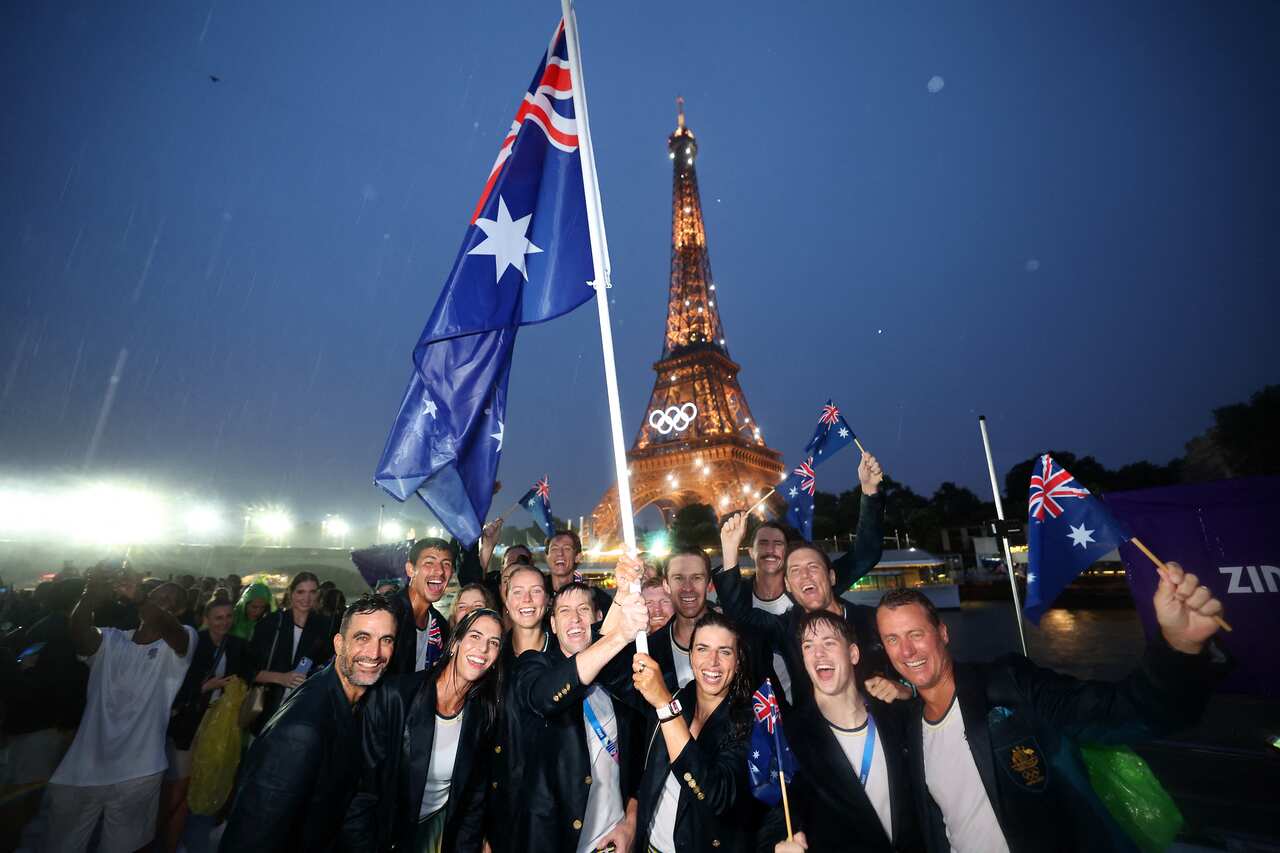
The opening ceremony was the first to be staged outside of the main Games stadium, with athletes cruising down the Seine River and the athletic track is purple for the first time at an Olympics.
Paris is the first Games to have events held so far away from the host city.
Surfing events were held 15,716 kilometres away on the French Polynesian Island of Tahiti.
These Olympics have also featured a new sport in its schedule, with break dancing, or breaking as it is officially called, making its debut.







