UN Secretary-General António Guterres has warned migration can split communities and leave vulnerable people at risk when it is not managed properly.
Speaking on International Migrants Day he said human migration can be a powerful driver of economic growth, but cautioned that when poorly regulated it has the potential to “intensify divisions within and between societies, expose people to exploitation and abuse, and undermine faith in government.”
Those challenges were evident throughout 2018 – a year that saw an increased crackdown on immigration in the United States and in many parts of Europe.
The migrant caravan
News that makes sense
Your trusted source for staying up-to-date with the world around you. Get free daily news updates and analysis, straight to your inbox.
More than 7,000 Central American migrants have now made it to the US-Mexico border, after travelling thousands of kilometres in convoy, across rivers and along winding rural highways.
They say they are fleeing persecution, poverty and violence in their home countries of Honduras, Guatemala, and El Salvador.
US President Donald Trump has labelled the migrant caravan an "invasion".

Since arriving at the border, the migrants have been corralled into overcrowded camps, in the cities of Tijuana and Mexicali.
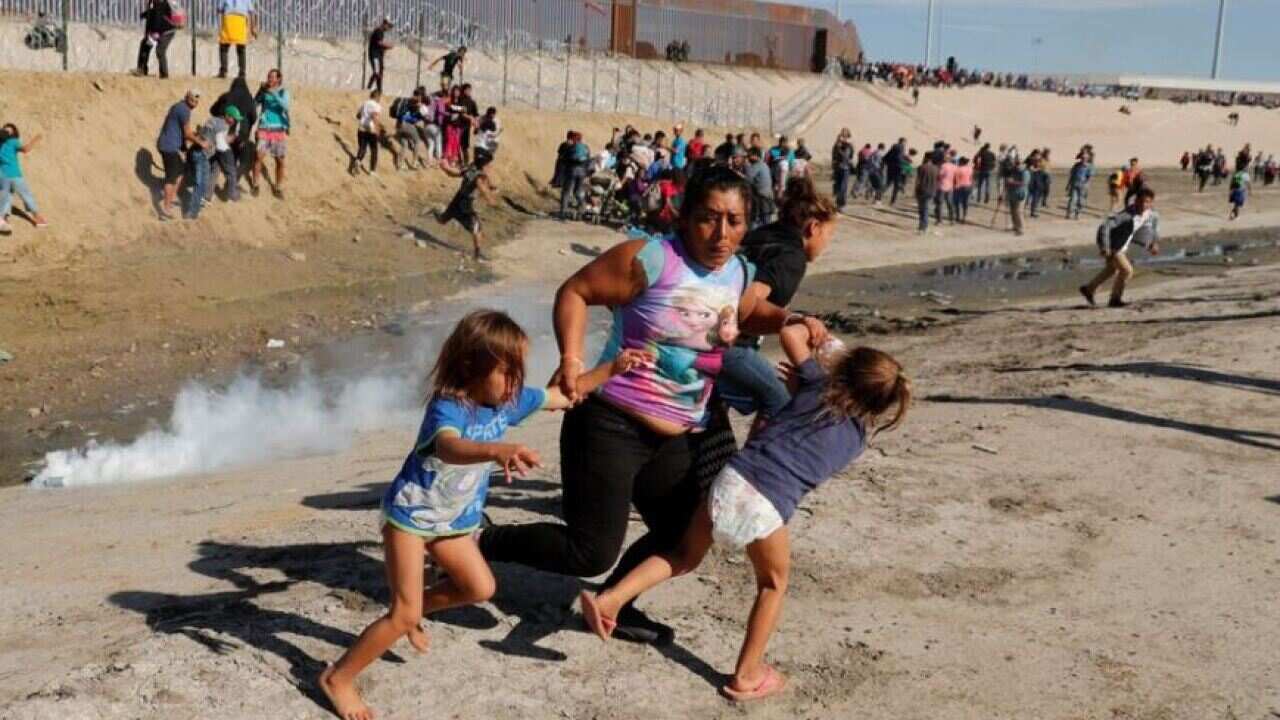
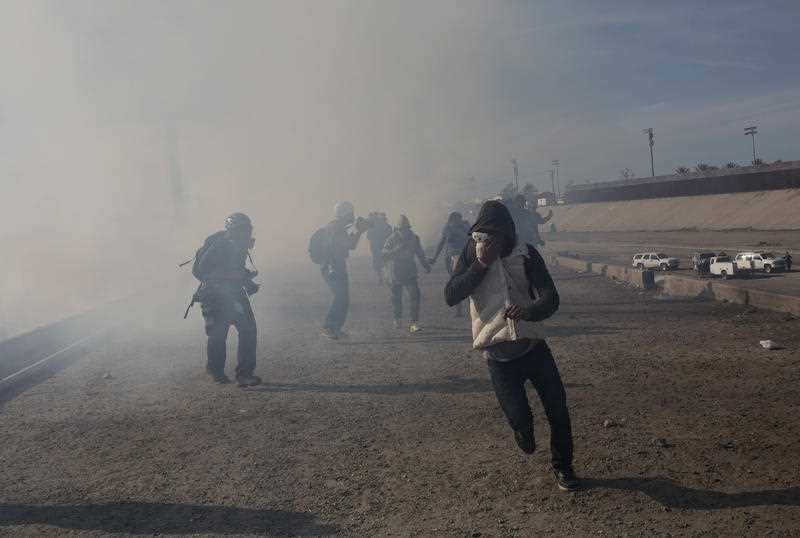
US authorities have fired tear gas to disperse those gathering at the border.
The migrants' goal is to settle in the US but they face long wait times to have their asylum claims heard and will only be granted refugee status if they can prove they're fleeing persecution.
The alternative is to go back to their home countries or stay in Mexico, which has indicated the migrants would be welcome to stay, providing they agree to register and comply with Mexican laws.
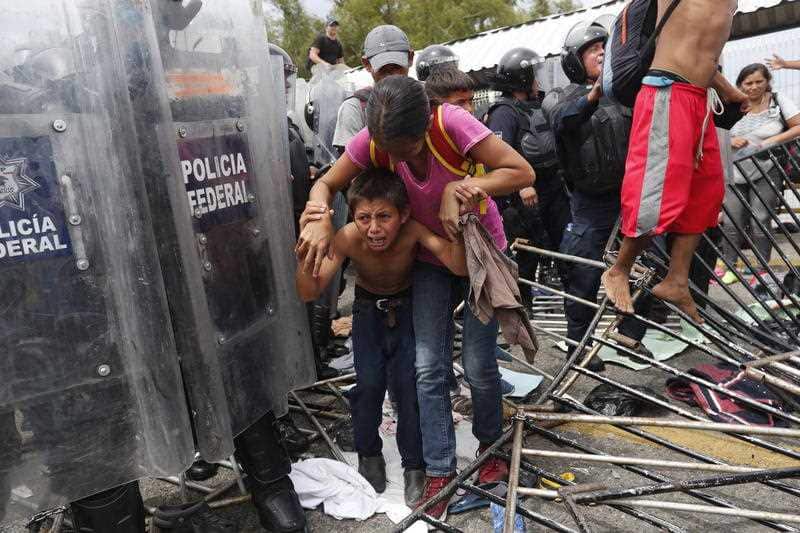
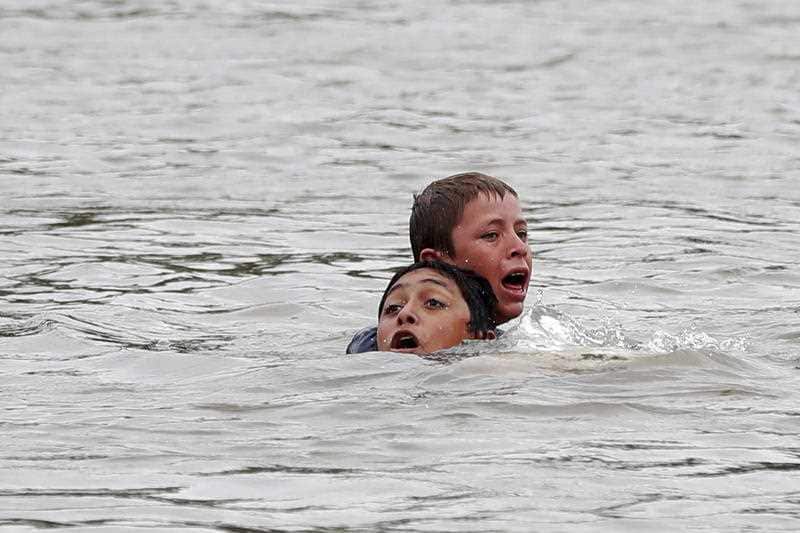
In June, Donald Trump was forced to abandon his “zero tolerance” policy of separating migrant families, amid widespread global condemnation, and criticism from within his own party.
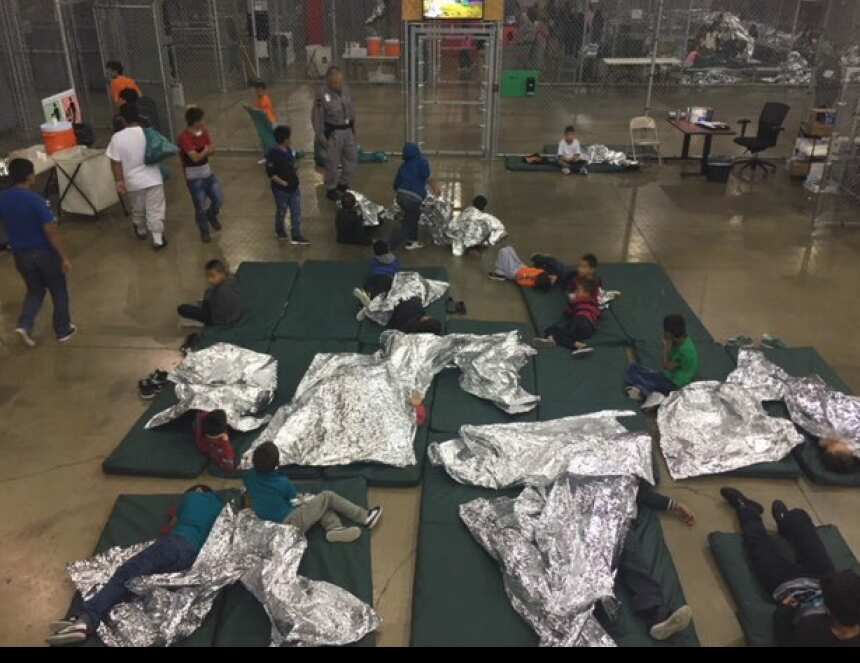
In just seven weeks, more than 2,300 children were taken from their parents and adult relatives after illegally crossing the US border and placed in tent camps and other facilities, with no way to contact their families.
Migrant boats
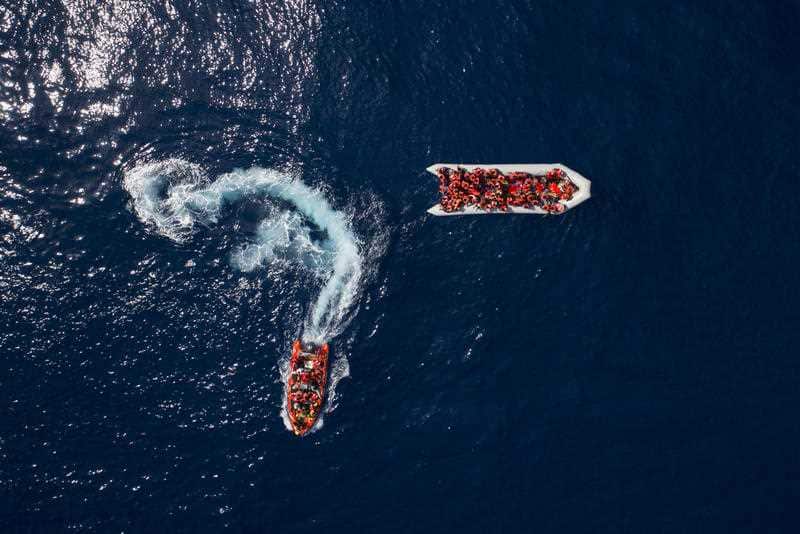
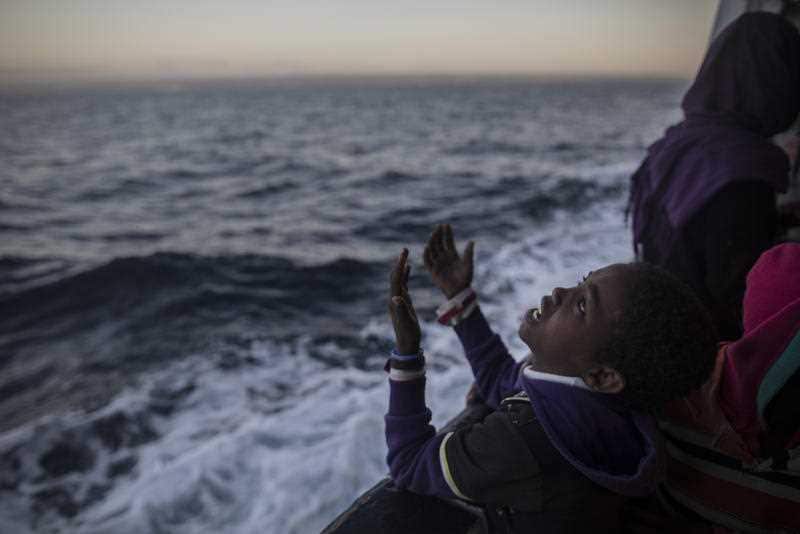
An estimated 2,200 people have died this year trying to cross the Mediterranean Sea into Europe, according to the UN’s refugee agency.
The number of migrants attempting the treacherous journey is down significantly on previous years, and so is the death toll, but the UNHCR has warned people smugglers are taking greater risks to avoid increased surveillance off the Libyan coast.
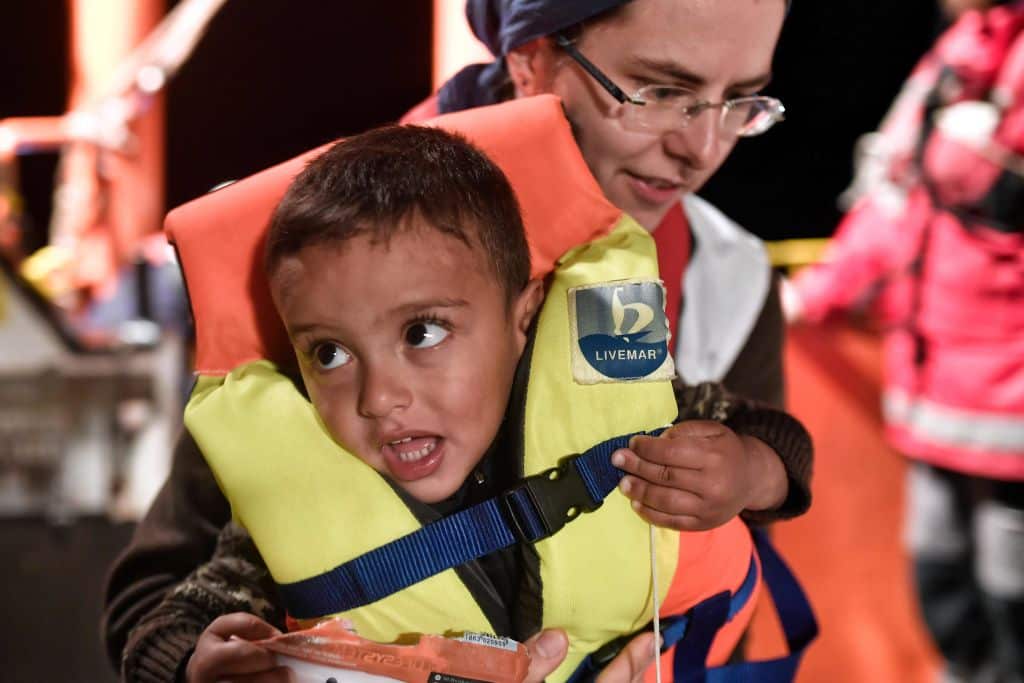
Disagreement in Europe over how to manage the influx of migrants came to a head in June, when Italy turned away the migrant rescue ship the Aquarius, with more than 600 people on board. The ship was rerouted to Spain.
In the same month, the German charity vessel, Lifeline, was stranded at sea for five days after being refused access to Italy and Malta. It was eventually allowed to dock in Malta.
Protests in Europe
As the summer influx of migrants continued, landlocked countries like Austria also took increased measures to bolster their border security.
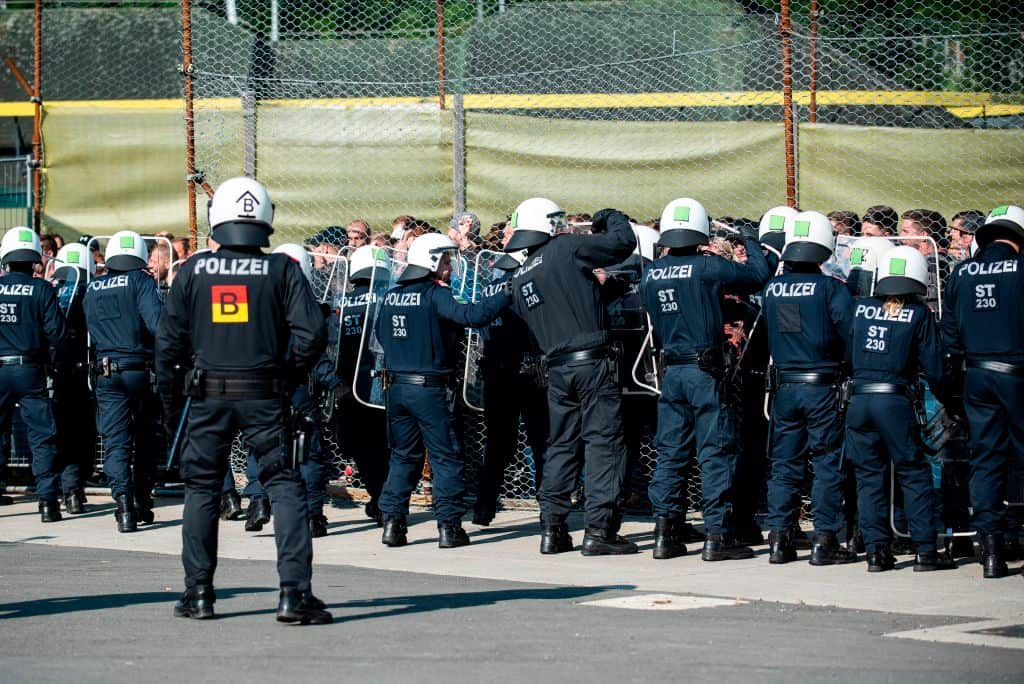
Hundreds of Austrian police and soldiers staged an anti-migrant drill at the border with Slovenia in June.
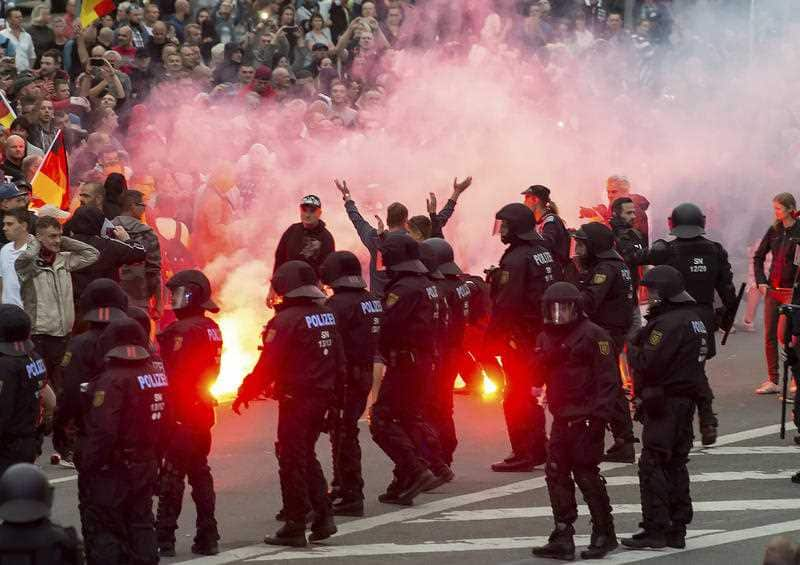
In neighbouring Germany, public anger over migration turned violent in the city of Chemnitz in August.
Thousands of far-right protesters marched through the city, following the arrest of Iraqi and Syrian nationals over the fatal stabbing of a German man.
Clashes erupted when the demonstrators were confronted by a smaller group of counter-protesters.
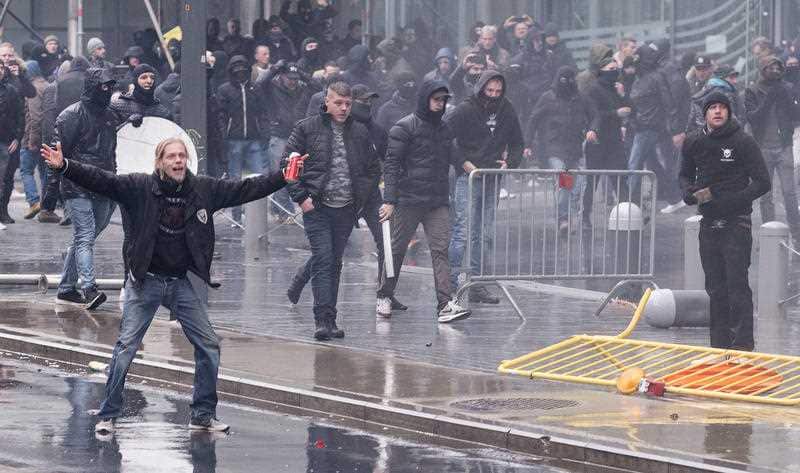
Throughout the year, Europe has witnessed a wave of anti-immigration protests and counter-protests.
On Sunday thousands marched in Belgium’s capital Brussels against a UN migration pact, signed in Marrakech last week.
Riot police deployed teargas and water cannon after scuffles broke out.
The Rohingya crisis
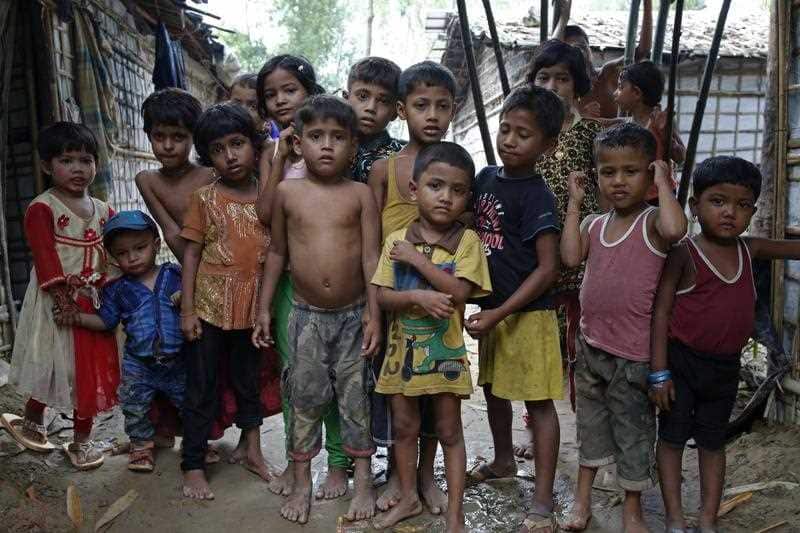
The biggest refugee settlement in the world is Cox’s Bazar in Bangladesh, where almost a million Rohingya are living, after fleeing violence in Myanmar.
The camp is desperately overcrowded and prone to landslides and flooding.
The UN has criticised a deal struck between Myanmar and Bangladesh to start repatriating refugees and has called for greater international support so refugees feel safe to return of their own free will.
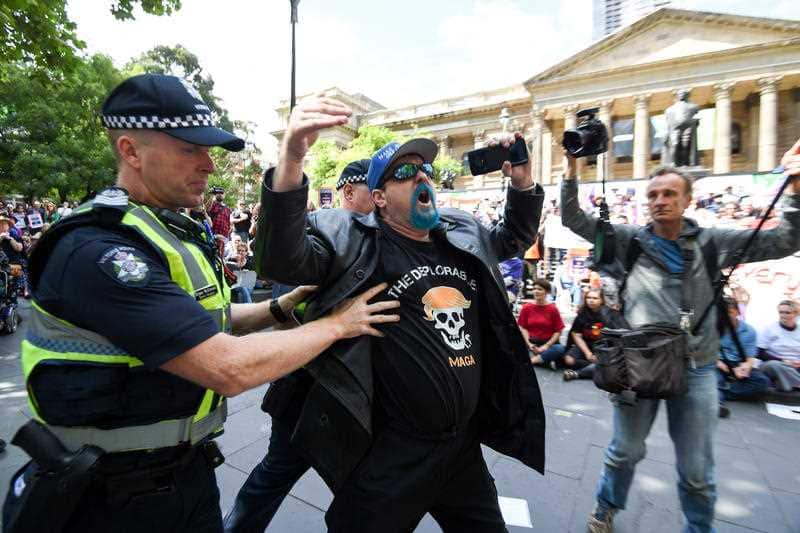
And in Australia ...
Australia has continued to come under domestic and international pressure to abolish offshore processing.
The Morrison government will face a knife-edge vote on a bill to give doctors new authority to order the medical transfers of asylum seekers held on Manus Island and Nauru almost as soon as parliament resumes in February.
At the Labor conference this week the Federal opposition has announced it would accept 4,000 more refugees a year if it wins government, but has reaffirmed its commitment to boat turn-backs and offshore detention.







