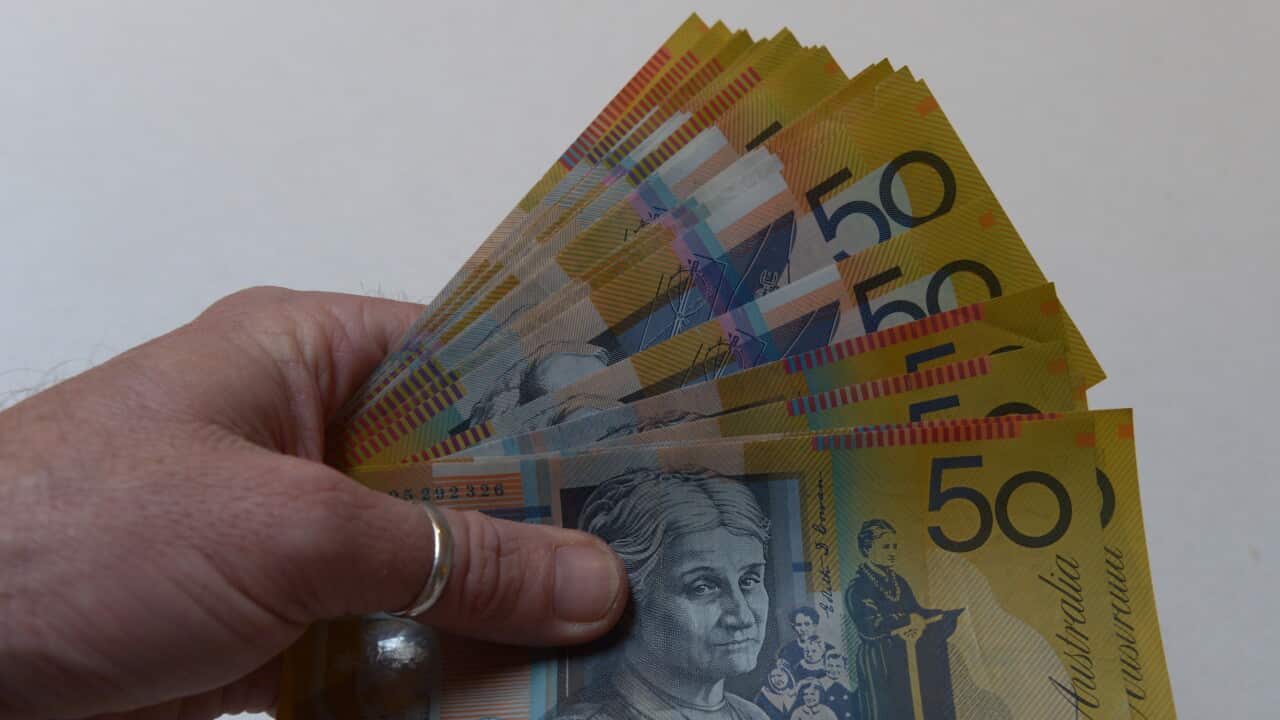
There were some encouraging signs for Australian households this week.
Headline inflation eased slightly, and the unemployment rate fell, but neither was enough to convince economists that interest rate pressures are over.
At the same time, the property market continued to soften, while the Australian Taxation Office (ATO) urged people not to rush their tax returns.
Investors navigated another volatile week in global markets, with several milestones reached.
News that makes sense
Your trusted source for staying up-to-date with the world around you. Get free daily news updates and analysis, straight to your inbox.
Inflation is slowing, but the RBA still has work to do
Australia's annual inflation rate eased from 4.2 per cent to 4 per cent in May, offering another sign that price pressures are gradually cooling.
However, the figure attracting the most attention was underlying inflation, which removes more volatile items such as fuel prices. That measure increased to 3.6 per cent and remains well above the Reserve Bank's target range of 2 to 3 per cent.
That means interest rates could stay higher for longer.
While petrol prices have eased recently, many everyday expenses continue to rise. Electricity prices jumped after government rebates expired, while housing costs, rents and some food prices also remained elevated.
Many energy customers will also see changes to their electricity bills from next week, although whether bills rise or fall will depend on where they live, how much electricity they use and new supply charges.
Comparison site Canstar estimates almost three-quarters of households are not on their provider’s cheapest electricity plan, suggesting many Australians could reduce their bills simply by shopping around.
The job market is holding up, but rate cuts still look distant
Australia’s labour market continues to show resilience despite higher borrowing costs.
The unemployment rate eased slightly to 4.4 per cent in May, with more than 40,000 jobs were created. Most of the growth is coming from part-time employment.
Ordinarily, stronger employment is good news for households because it supports incomes and consumer confidence. But in the current environment, it also complicates the Reserve Bank’s task.
Combined with underlying inflation remaining above target, a solid labour market suggests the economy has not slowed enough for the Reserve Bank to completely ignore inflationary pressures.
It also comes as household spending data from the Australian Bureau of Statistics shows a stronger than expected increase in spending by consumers last month amid end of financial year sales.
Don’t rush your tax return
With the end of the financial year approaching, the Australian Taxation Office has a simple message for taxpayers: be patient.
Last year, the ATO adjusted almost 600,000 tax returns because many Australians lodged too early before all their income information had been reported.
Common mistakes included failing to declare all income, overstating deductions and incorrectly claiming tax credits.
Rather than rushing to lodge on 1 July, the ATO is encouraging most taxpayers to wait until late July, when employers, banks, government agencies and health funds have uploaded their information, and returns are pre-filled.
Waiting a few extra weeks could reduce the chance of delays, amendments or unexpected tax bills later.
Property market loses steam as buyers become more cautious
Australia's housing market showed further signs of cooling this week, with auction clearance rates falling to their lowest levels since April 2020.
According to Cotality, the preliminary national clearance rate dropped to 47.7 per cent, while around one-quarter of scheduled auctions were withdrawn before they took place.
Nearly half of the successful sales occurred before auction day, highlighting the cautious approach many buyers and sellers were taking.
Property website Domain meanwhile released its 2027 financial year forecasts, predicting prices in Melbourne and Sydney could fall by as much as 8 per cent over the next 12 months for certain dwellings.
Market milestones
There were several broader market milestones this week, but not all of them were positive.
The Australian dollar slipped below 69 US cents, oil prices fell below levels seen before the Middle East conflict began, and gold dropped below US$4,000 an ounce for the first time since November.
It all contributed to a 0.9 per cent fall on the ASX200 for the week as share investors reacted to developments in the Middle East, changing expectations for global interest rates and weaknesses in technology stocks.
That's this week’s On the Money wrap. Prefer to listen? The On the Money podcast breaks down the latest every weekday. You can tune in here or wherever you get your podcasts.
For the latest from SBS News, download our app and subscribe to our newsletter.







