This audio is voiced by AI and may occasionally mispronounce words.
Share your feedback and help us improve this feature. Read more about how we use AI at SBS here.
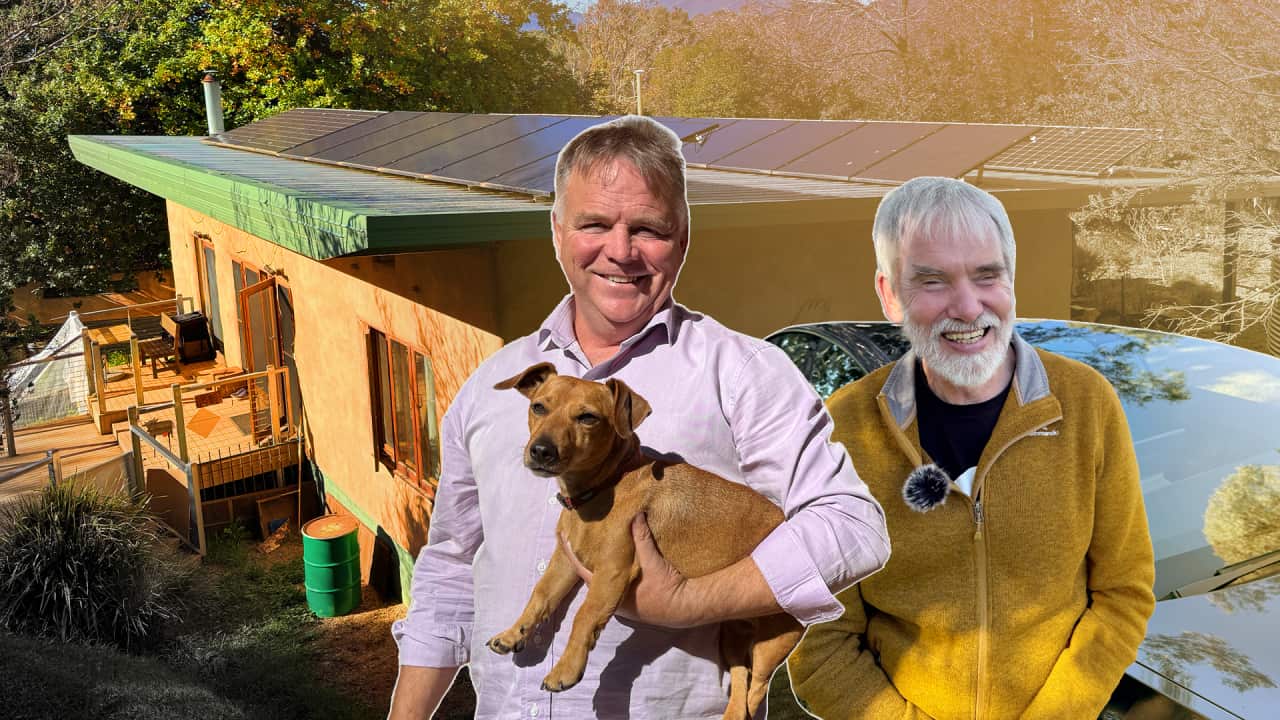
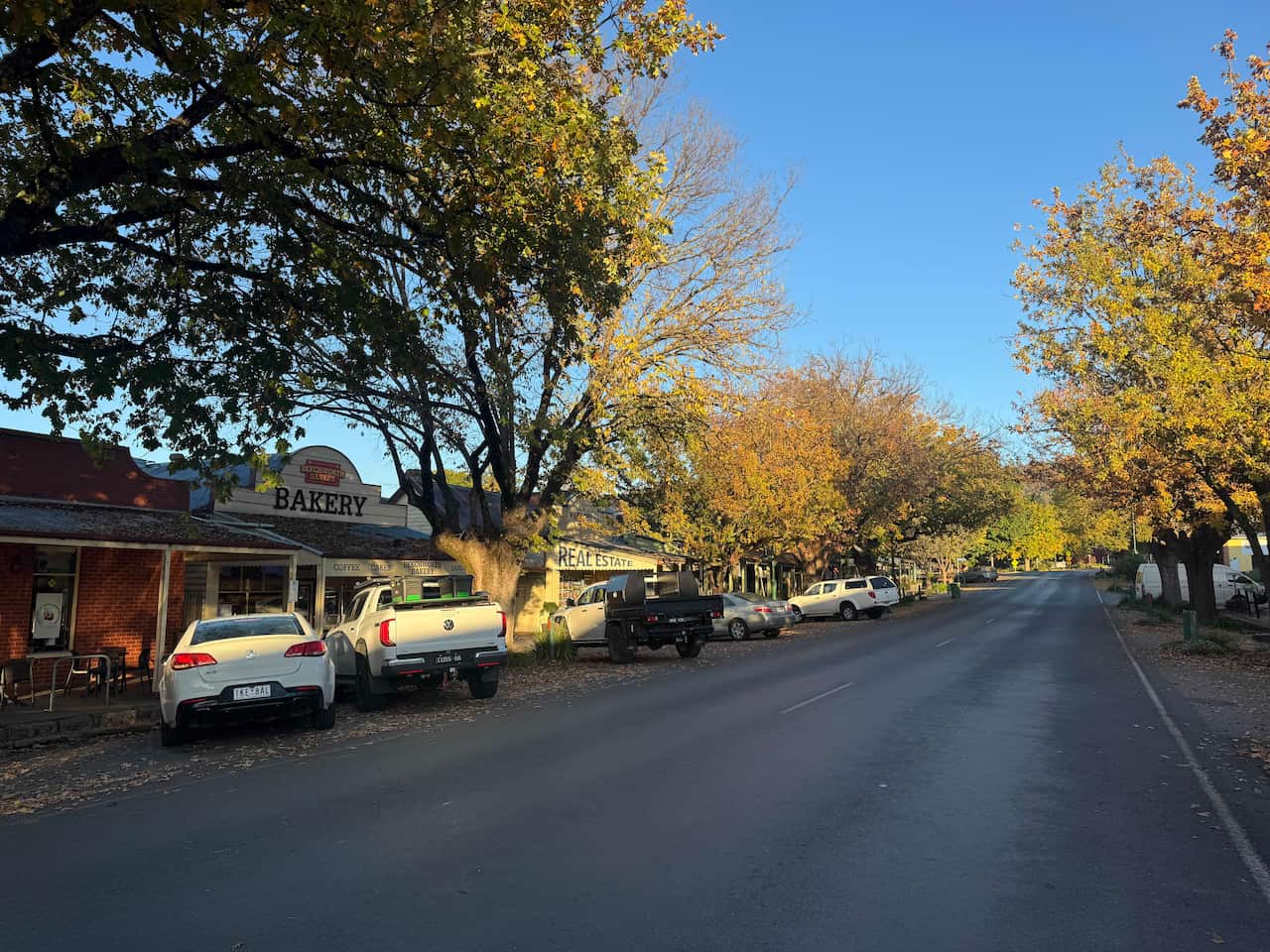
Drive through Yackandandah on a clear day, and you'll notice the rooftops before anything else. House after house topped with solar panels.
On the main street of this small tourist town in Victoria's north-east, Teslas and Nissan Leafs are parked outside the pie shop.
There's a community-owned electric vehicle charger around the corner, funded by the town's own petrol station. The postie delivers his mail on an electric bike. You might even spot a car driving around with a solar panel mounted on its roof.
For the residents of Yackandandah — or Yack, as most people call it — a future built on renewable energy isn't merely hypothetical. It's embedded in the town's DNA.
And it's part of a growing movement of communities across Australia experimenting with ways to cut power bills, improve energy reliability and reduce emissions.
News that makes sense
Your trusted source for staying up-to-date with the world around you. Get free daily news updates and analysis, straight to your inbox.
In Yack, that effort has turned the town into an unlikely blueprint on how Australia might navigate the shift to renewable energy — not through major projects or government mandates, but through local ownership, community actions and decisions made around kitchen tables.
The house that started a movement
It all started with Matt Charles-Jones.
He lives in a house made of straw. While it sounds like something plucked from a fairy tale, his vision demonstrates what sustainable housing could look like.
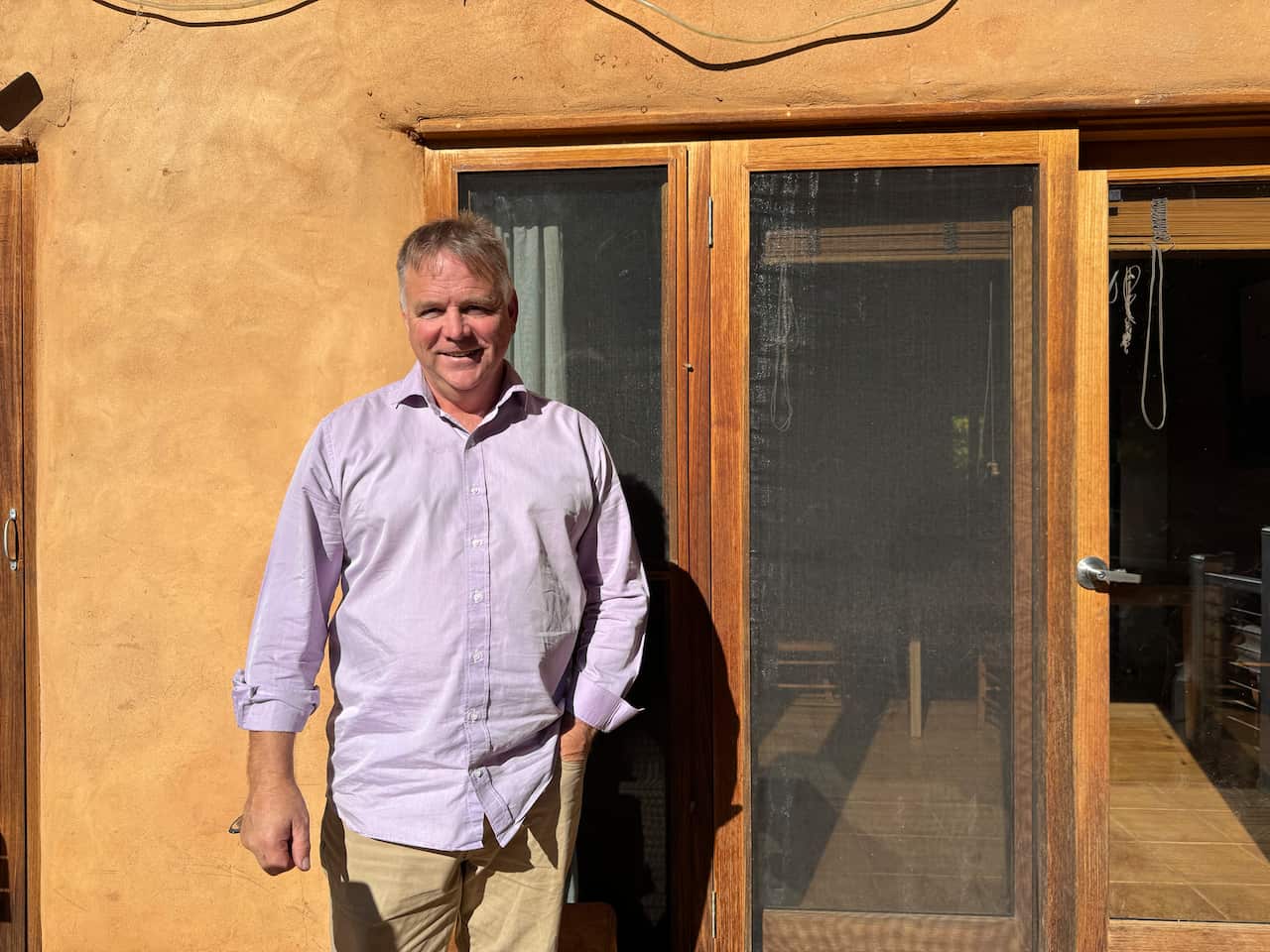
"The beauty of straw is that it has really deep walls, so it's super insulative," Charles-Jones tells SBS News over a cup of peppermint tea in his home, whose thick, terracotta-coloured walls make it look cave-like.
"It's a waste product and ultimately it's organic, so it will eventually compost down. It lends itself well to unskilled builders. I'm not a builder at all. But it's quite forgiving."
Topped with solar panels, the house reflects a philosophy Charles-Jones would go on to spread across the town.
In 2014, he co-founded Totally Renewable Yackandandah (TRY), a community energy group, with a mission as straightforward as it sounds: get the whole town running on 100 per cent renewable energy, one rooftop at a time.
For Charles-Jones, the project was always about democratising energy from the ground up.
"You can do it at a very localised scale and get an immediate benefit from it," he says.
We don't have to rely on big investments by big companies with big government money.
It's an idea that runs through Yack's culture.
In 2002, the town bought its own petrol station after it was threatened with closure. Today, half of the profits go straight back into the community — providing grants to resurface netball courts, restore the local school's creek bed, buy the scouts a new trailer, and pay for the town's shiny new community-owned electric vehicle charger.
It's the flywheel the town has been built on — keeping money circulating locally rather than flowing to big corporations — and the same principle TRY has applied to electricity.
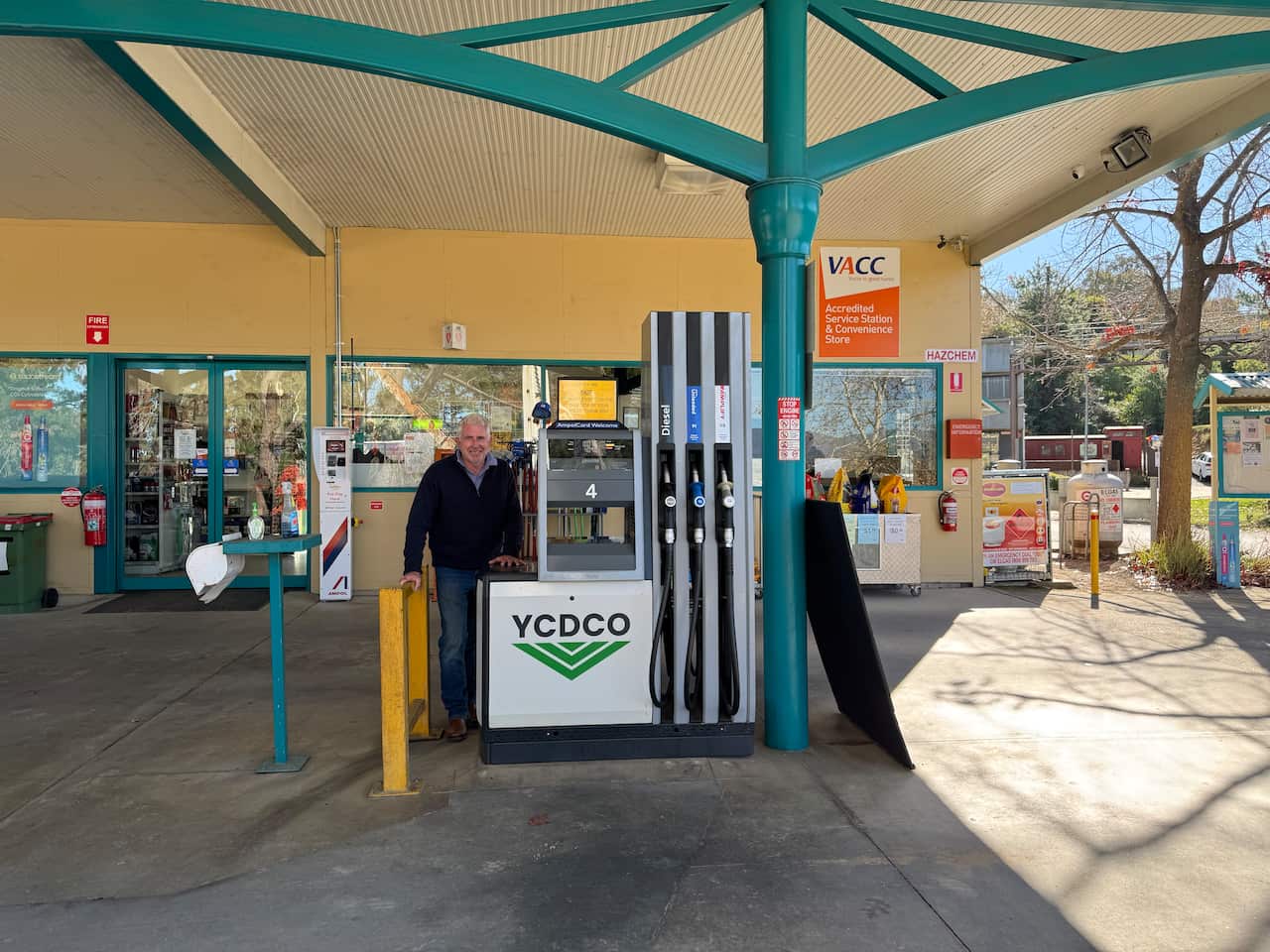
Creativity, Charles-Jones says, remains at the heart of the town, evident in the sometimes unconventional ways it electrifies daily life and reduces its reliance on fossil fuels.
"The real key is the extent to which we've enabled creativity and imagination," Charles-Jones says.
"The local cemetery installed a solar and battery system on the roof of their building and now has changed all of their mowers and brush cutters and chainsaws to electric.
"There's a local veggie grower who delivers their vegetables on an electric cargo bike. The garden club has an electric wheelbarrow that they use to water the plants."
Even Russell Klose — the town's former mechanic who spent decades importing performance cars from Japan — has decided to make a difference in retirement.
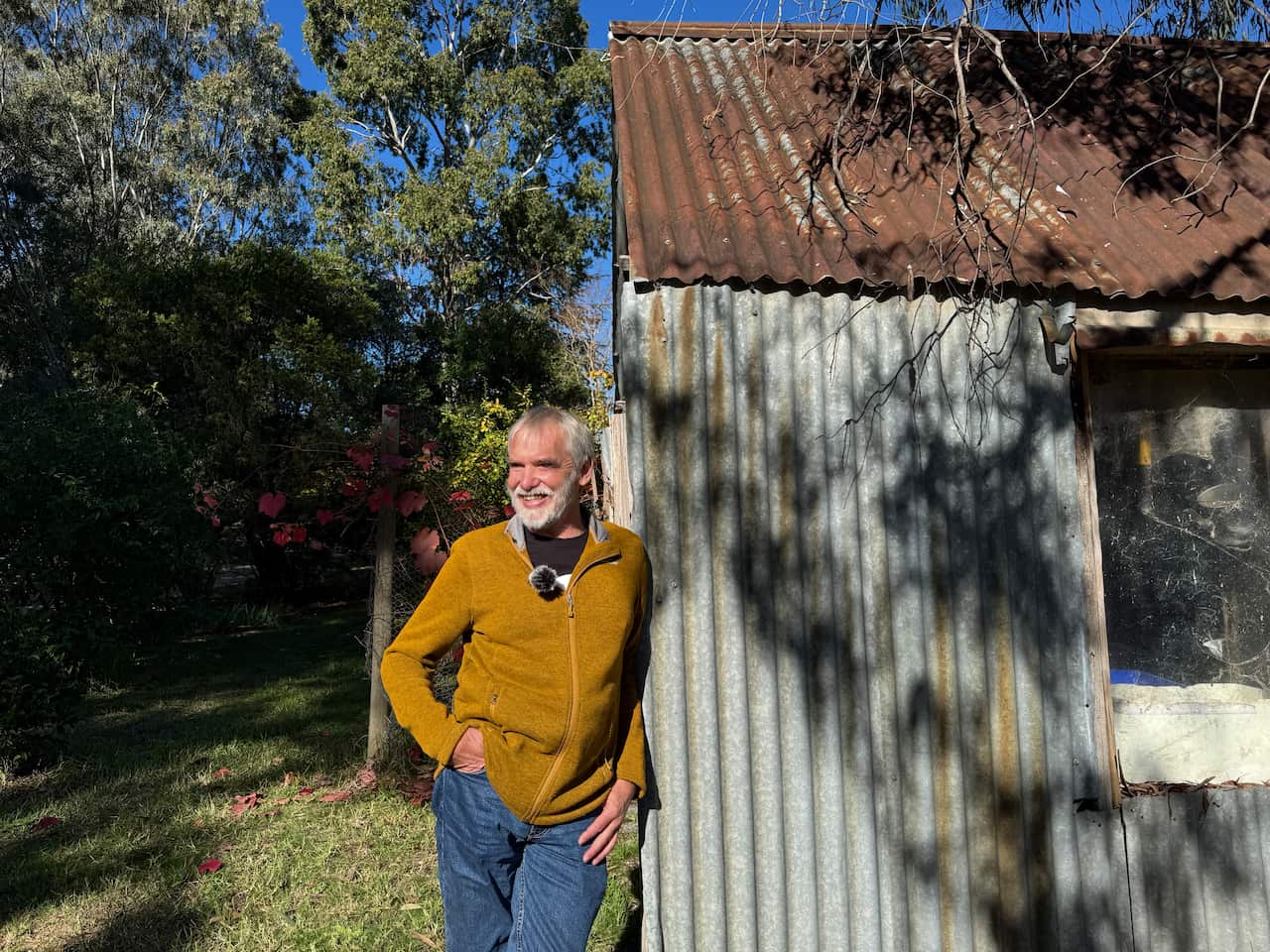
Klose now sells second-hand electric vehicles from his property on the edge of town, and says the motivation goes beyond giving something back to future generations. The financial case, he tells sceptics, is simple.
"Electric vehicles make good financial sense," he tells SBS News.
"The performance is phenomenal. The cost of ownership is great.
"People are buying them not necessarily for environmental reasons. They make good financial sense. And once you get to that stage, you're home and hosed."
From climate action to cost savings
About 68 per cent of rooftops in the town now have solar installed. In some streets where TRY has run targeted programs, that figure sits at around 80 per cent — among the highest rates in Australia, according to Charles-Jones.
For comparison, roughly one in three Australian households has rooftop solar, placing Yack's uptake well above the national average.
Blake Edwards, TRY's current president, says the thing that's changed the most over those 12 years isn't just technology. It's also what motivates people to act.
When TRY started, many in the room were making the switch out of concern for the climate and a desire to move away from fossil fuels. Today, he says a greater motivator has taken over.
"The main trigger now, for most people, is costs, comfort at home and health," Edwards SBS News.
Climate, he adds, tends to come somewhere underneath that.
For households in Yack making the switch today, a combined solar and battery system costs around $15,000 after the federal government's battery rebate, Charles-Jones says.
A solar-only system comes in well under that and typically pays for itself within four to six years.
The upfront cost remains a significant barrier for some households, particularly lower-income families, despite the long-term savings. Access is also uneven, with participation shaped by housing type, roof suitability and financial capacity.
On average in Yack, people reduce their power bill by 62 per cent when they add a reasonable sized solar system.
"That jumps to about 70 per cent with solar and a battery," Charles-Jones says.
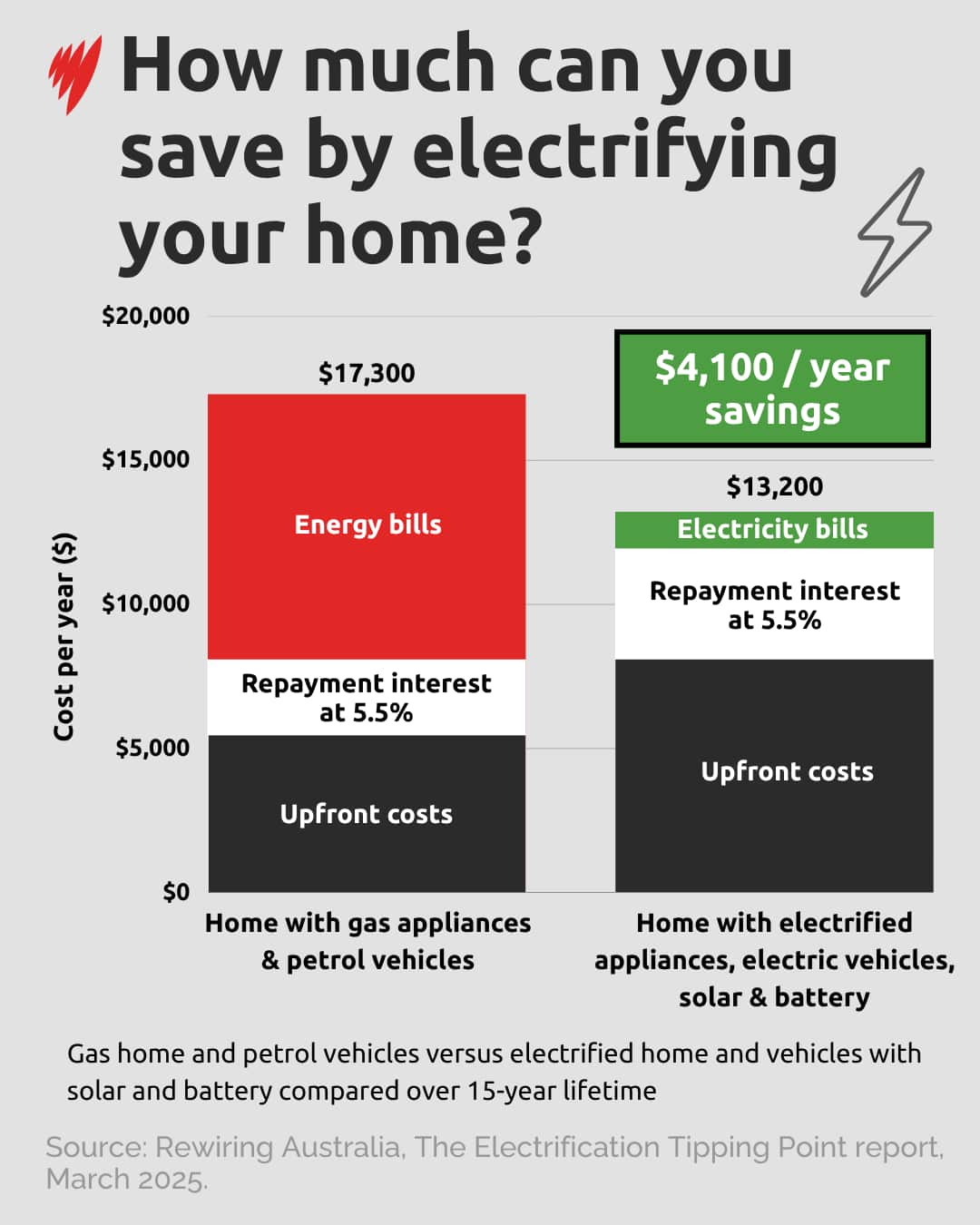
A 2025 Rewiring Australia report found households living in fully electrified homes spend, on average, $4,100 less each year than those still running on gas appliances and a petrol vehicle.
In neighbouring Albury, Jen Huber — a retiree and member of the Knitting Nannas, who protests outside politicians' offices each week over climate inaction — has fully electrified her household and drives a plug-in hybrid.
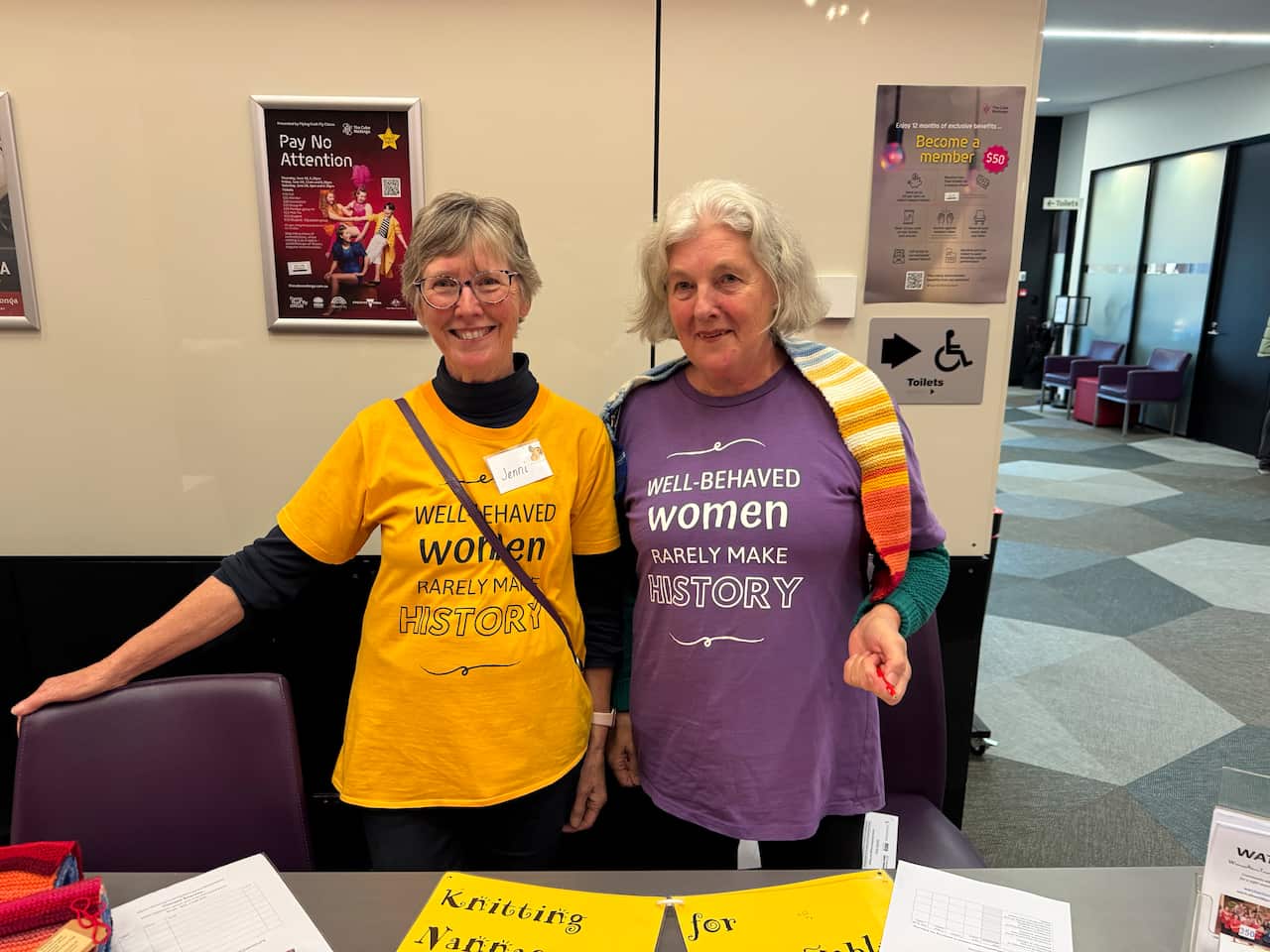
Huber says her January power bill was $32. Fuel for the car: $34 for the month. Without solar and a battery, she says, the power bill alone would have been $242.
"As retirees, reducing costs is very beneficial," she tells SBS News.
"Environmentally, we do this for our grandkids, plus to not subsidise fossil fuel companies."
Can Yack's model work elsewhere?
While not everyone has the property or financial means to install solar, one expert says Australia is uniquely positioned to lead the renewable energy push and completely transform its energy grid — both in regional areas and in the cities.
Saul Griffith is the founder of Rewiring Australia and helped shape the United States' landmark climate legislation before returning to Australia.
He says there is nowhere on Earth better placed to lead the renewables push.
"Australia, by virtue of being an enormous continent with a low population density, has per capita pretty much the highest renewable energy possibilities of any country in the world," he tells SBS News.
We have this extraordinary potential to power our country cleanly and very, very cheaply.
Griffith's project, Electrify 2515, is testing how fast that potential can be unlocked in the suburbs — rapidly electrifying 500 households in NSW's northern Illawarra region as a blueprint for wider rollout.
What happened in Yack is not unique. Across Australia, a growing number of communities are testing similar approaches to electrification and local energy ownership.
However, advocates acknowledge that no single model will work everywhere, as communities face different economic, geographic, and social constraints.
The lesson so far, Griffith says, is less technical than expected.
"People don't trust the internet a lot, they don't trust the government a lot, but they do trust their neighbours," he says.
The fact that neighbours are showing neighbours how to save money and save the planet at the same time — that's the secret sauce.
A new study conducted by research consultancy 89 Degrees East polled 1,965 people living in renewable energy zones across Australia, suggesting that the majority — 63 per cent — support the shift to renewable energy.
However, 33 per cent of respondents believed most people in their area did not support the transition, showing a significant gap between actual and perceived support. The findings also suggest attitudes can vary depending on the type, scale and location of renewable energy projects.
Chantelle Johns, community coordinator for Original Power in Marlinja — Australia's first First Nations-owned solar microgrid — says community involvement is key.
The community of 16 households in the Northern Territory once saw families spend up to $200 a week on prepaid power credits. Something as simple as a bird on the feeder line could cut the electricity for days — and with it, access to water.
In 2024, after years of community-led effort, the remote community built its own solar farm and battery, with residents now saving up to 70 per cent on energy costs.
"If it's not community-led, I say to other companies: good luck trying to get this stuff done," Johns tells SBS News.
"You don't know who you need to talk to, where you've got to go. But when it comes from community, it's from the people that own that area already. So you've already got the interest, you've got the right people."
Charles-Jones says that while Yack's model won't look the same in every town and may not be achievable there, the principle holds.
"There are well over 100 towns across Australia focused on the questions of renewable energy as a community, and each community will have different resolutions to what they need to do."
Who owns the transition?
Other regional towns in Australia are seeing protests over proposals by large energy corporations to build renewable energy farms on their land.
While these projects form part of the broader energy transition, tensions have emerged in some regions. In several cases, farmers and landholders have argued they are not opposed to renewable energy itself, but want greater involvement in how projects are designed, where they are located and who ultimately profits from them.
Those concerns were recently acknowledged by the Victorian state government body VicGrid and the Department of Energy, Environment and Climate Action in new guidelines aimed at improving how renewable energy and transmission projects engage with local communities.
However, the Victorian Farmers Federation (VFF) says the measures fall short of providing enforceable protections for landholders.
VFF president Ryan Milgate said farmers and regional communities had spent years raising concerns about "transparency, consultation and fairness".
"We obviously welcome any move that strengthens the position of farmers dealing with renewable energy developers at their gate and this is a small step in the right direction," he said in a press release earlier this week.
However, he argued communities wanted stronger guarantees that developers would be held accountable if they failed to engage respectfully with landholders.
"People ultimately want a guarantee that projects won't proceed if communities aren't treated with respect. What's on the table here doesn't give us that guarantee," he said.
Some also object to the scale and visual impact of large renewable projects.
Edwards says there are opportunities for regional areas to retain ownership of their energy assets, but communities facing large-scale corporate proposals should fight to secure meaningful benefits.
"With these community batteries and public assets, there's a land grab going on at the moment," he says.
If we don't butt in and try and have a say, it's going to be too late for a lot of sites and a lot of suburbs in a few years' time.
Independent MP Helen Haines, whose federal electorate of Indi covers Yackandandah, says regional pushback against renewables is the result of a failure of engagement, not a failure of support.
"These are communities who want fair warning, fair process, and fair, intergenerational community benefit from projects," she told parliament in late 2025.
"Their demands for meaningful engagement should not be contorted into blanket opposition. Because there is support."
While he lives in a straw house, Charles-Jones says the idea of a totally renewable future is anything but a fairy tale.
"It's probably a uniquely Australian thing that we've sort of poured scorn on the potential of the fairy tale idea of being 100 per cent renewable.
If it's happening in other parts of the world, why on Earth couldn't it happen here? The case, if anything, is stronger in Australia than anywhere else in the world.
For the latest from SBS News, download our app and subscribe to our newsletter.







