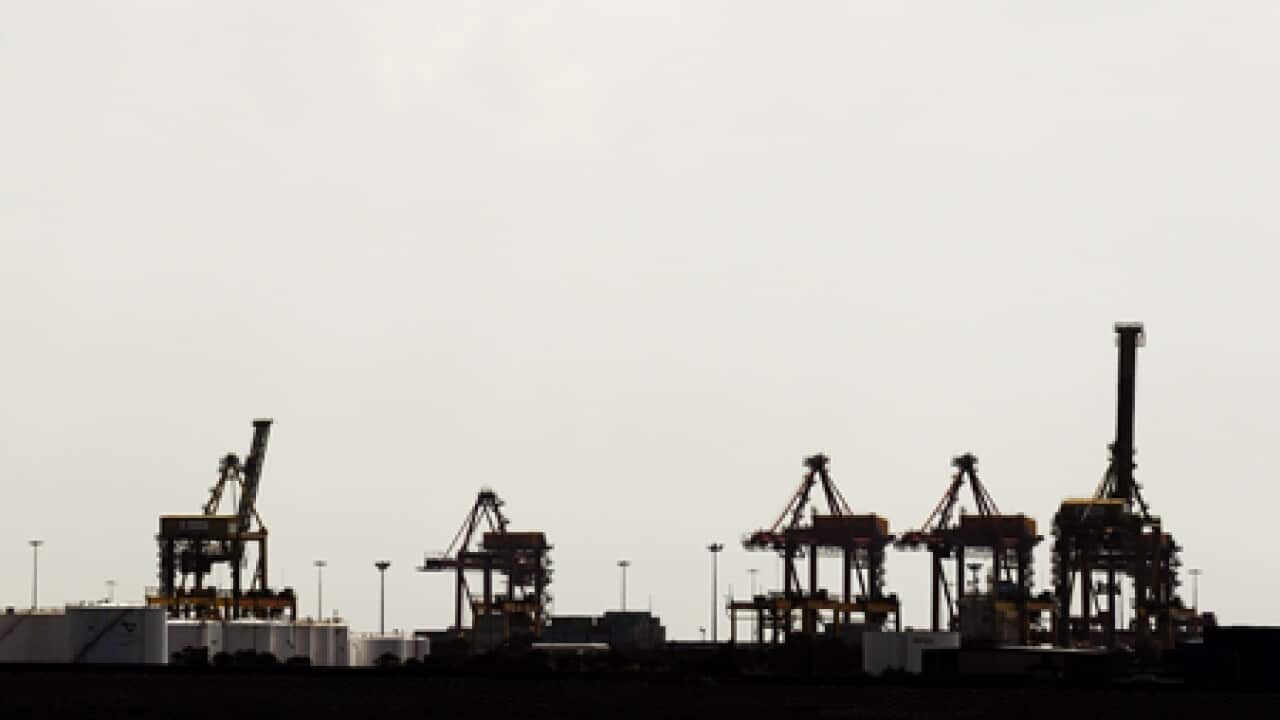
Trade unions and port operators are backing the first-ever national ports strategy, unveiled by the federal government.
Under the strategy, port operators will be required to publish 15- to 30-year master plans that detail the expected growth in trade activity as well as the facilities required to handle that
growth.
State and local planning authorities will be asked to implement buffer strategies to prevent urban encroachment on ports as well as the road and rail corridors that service them.
Prime Minister Julia Gillard, who unveiled the strategy on Friday during a visit to Kwinana Port in Western Australia, said the absence of a national co-ordinated approach had prevented some ports from expanding because not enough land was set aside for growth.
News that makes sense
Your trusted source for staying up-to-date with the world around you. Get free daily news updates and analysis, straight to your inbox.
The government estimates the volume of trade moving through Australia's biggest ports is expected to triple during the next 20 years.
Ports Australia, which represents publicly and privately-owned operators, welcomed the strategy's focus on simpler regulation and approvals processes that would allow better planning for new terminals, berths and channels.
"These processes have become more complex, more expensive and more capricious in their administration," chief executive David Anderson said in a statement.
"They now pose a serious threat to our international competitiveness."
The Transport Union Federation says the strategy is the framework and vital direction ports have "long been crying out for".
Recent history had shown productivity at some ports had been severely hampered by limitations on infrastructure, investment and by planning issues, it said.
"Queues, either by ships at sea or trucks and rail landside can have significant impact on the national economy," said Paddy Crumlin from the Maritime Union of Australia.
"Especially when those queues impact domestic and international trade freight and commodity supply chains."







